About
Dubai is the most populous and most prominent tourism destination among the seven emirates forming the United Arab Emirates (UAE). It lies on the Persian Gulf coast of the Arabian Peninsula. More than 85 percent of its 3.5 million residents are expatriates from other countries, so English is heard more often than Arabic on the streets.
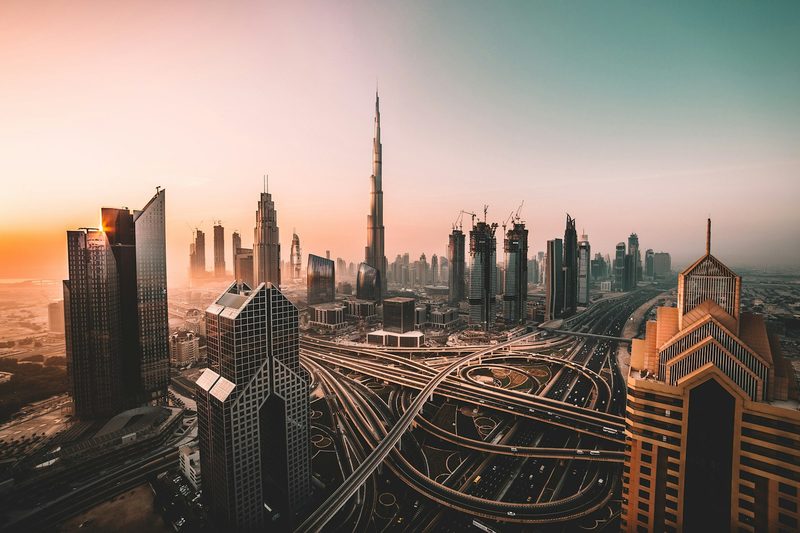
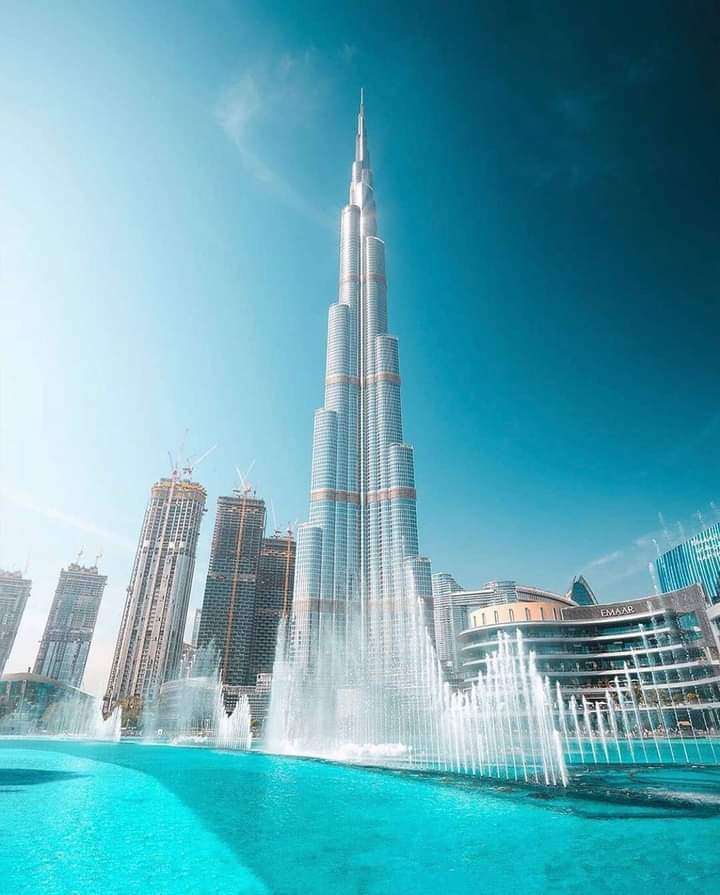
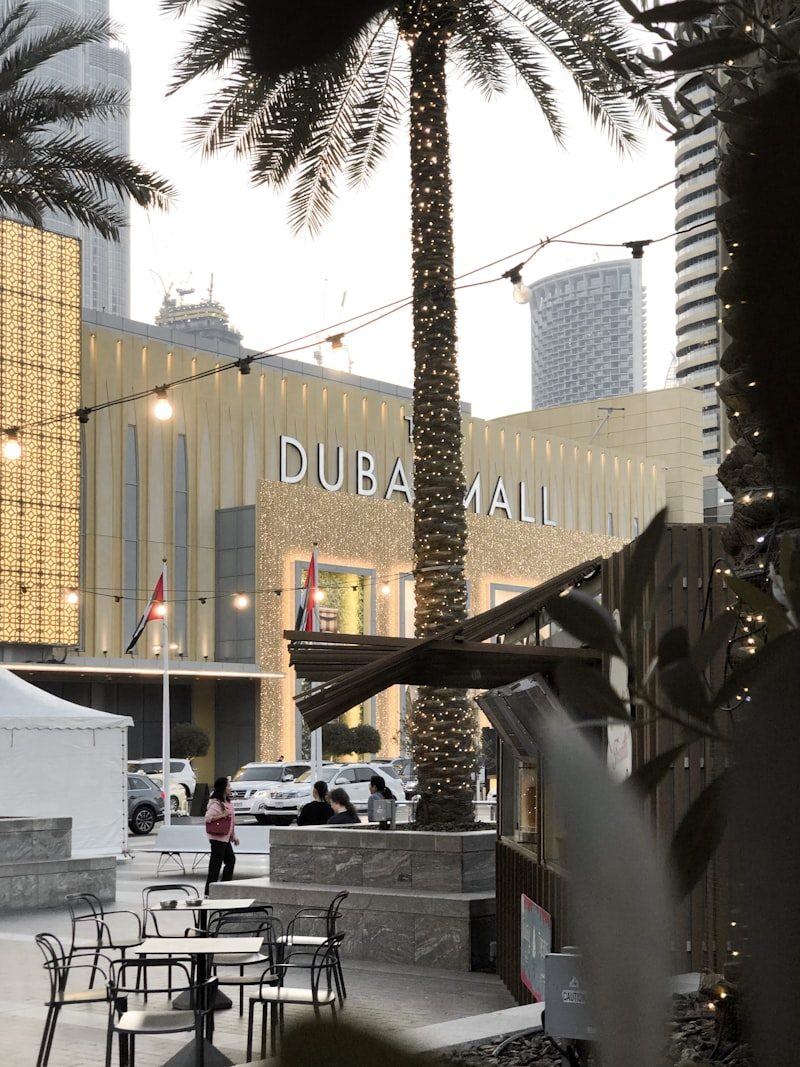
A small fishing and pearl-diving town in the 1960s, Dubai became a regional hub through investments in finance, trade and logistics after oil was discovered. Today's city is home to the world's tallest building (Burj Khalifa), its largest shopping mall (Dubai Mall) and artificial islands built off the coast; scale and records lie at the heart of its planning philosophy.
When to visit
Dubai has a desert climate; summers are extremely hot and humid, while winter weather feels closer to spring.
- November–March (Winter/Golden Season): Temperatures range from 24-28°C. These months allow beach time, desert safaris and outdoor walks.
- April and October (Shoulder Months): Temperatures rise to 32-35°C, and the sea warms up. Hotel prices fall slightly compared with winter.
- May–September (Summer): Temperatures reach 40-48°C in the shade, and humidity becomes oppressive. Walking outdoors for more than five minutes is difficult, and daily life retreats into air-conditioned spaces such as shopping malls and indoor entertainment centers. Desert safaris almost come to a halt during this period. In return, hotels offer summer discounts of up to 60 percent.
Getting there
By air: Dubai has two airports: the main Dubai International Airport (DXB) and Al Maktoum Airport (DWC), which mainly handles charter and cargo traffic. Turkish Airlines, Pegasus, flydubai and Emirates operate direct flights from Istanbul Airport (IST) and Sabiha Gökçen (SAW); the flight takes about 4-4.5 hours. Ticket prices vary between 250-500 EUR depending on the season.
Airport–City center transportation (DXB):
| Option |
Duration |
Cost |
Note |
| Dubai Metro (Red Line) |
20-30 min |
~5-8AED |
Direct boarding is possible from Terminal 1 and Terminal 3. It is fast and cheap. |
| Taxi |
15-25 min |
50-80AED |
The starting fee for taxis departing from the airport is 25 AED. |
| Uber / Careem |
15-25 min |
70-110AED |
Careem is Dubai's local taxi/private car app. |
Urban Transportation
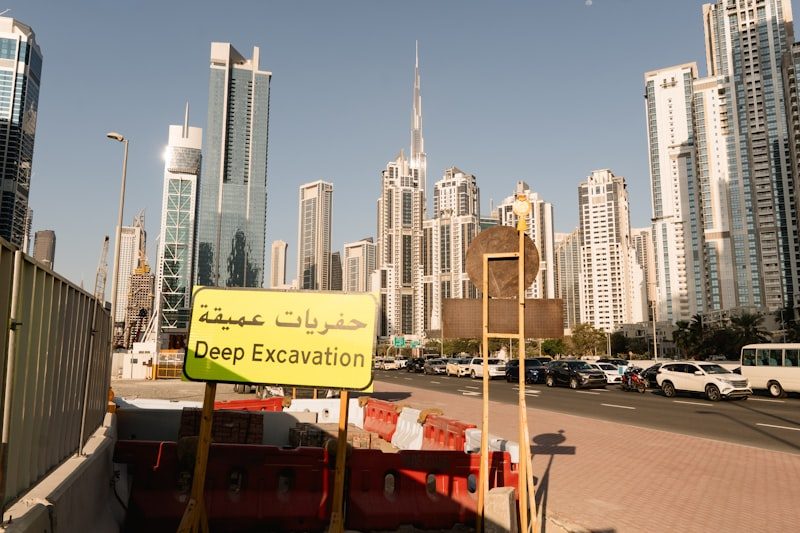
Sheikh Zayed Road's 12 lanes capture Dubai's scale; the city stretches lengthwise along the coast, so distances between neighborhoods are usually measured in driving time.
- Dubai Metro: One of the world's longest driverless metro networks, clean and air-conditioned. Eating, drinking water and chewing gum are prohibited on the metro — inspectors issue fines. There are carriages reserved for women and children, plus "Gold Class" carriages for an extra fare. A Nol Card is required; the red card is for single use and the silver card is reusable.
- Taxis: Government-regulated taxis with sand-colored roofs use meters and cost less than Uber. Pink-roofed taxis with female drivers also serve women passengers.
- Careem: The region's local ride-hailing app; useful to have on your phone for booking taxis and private cars.
Accommodation Regions
Dubai's accommodation areas are clearly differentiated by budget and holiday style.
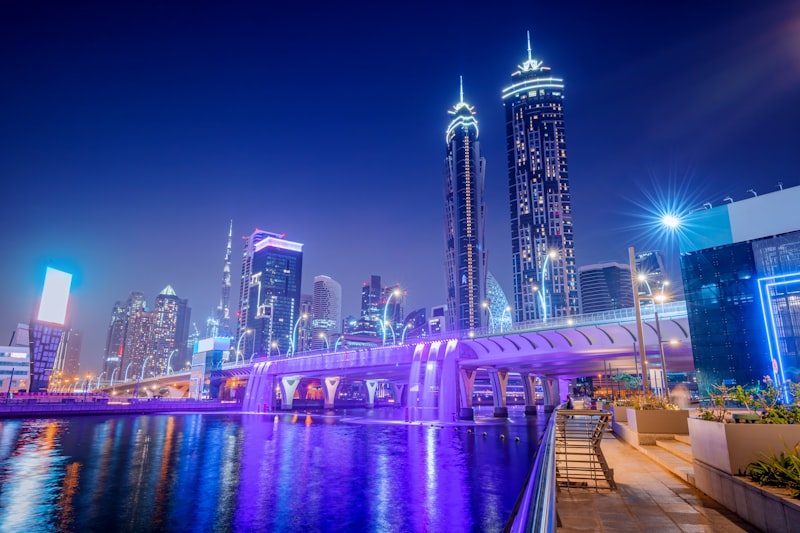
- Downtown Dubai: Home to Burj Khalifa, Dubai Mall and Dubai Opera. A central location for skyscrapers and city life, but without a beachfront.
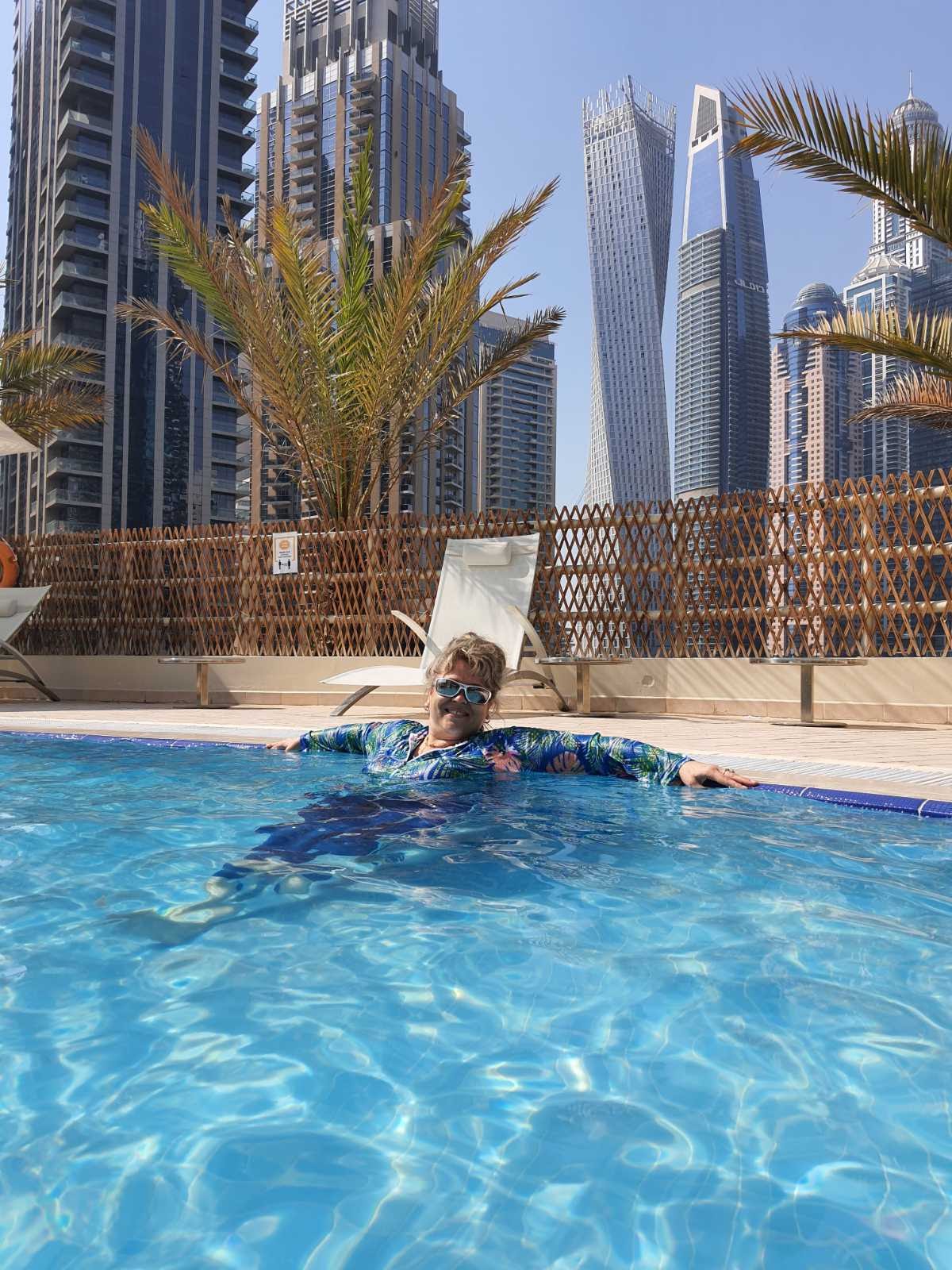
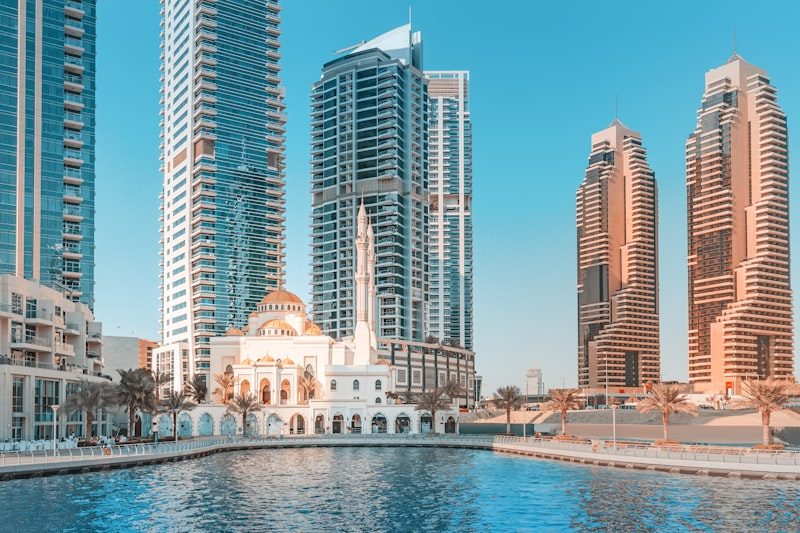
- Dubai Marina / JBR (Jumeirah Beach Residence): The beachfront, promenade and marina meet here; the most popular area among tourists for a beach holiday.
- Deira / Bur Dubai (Old Town): The old urban fabric beside the historic souks and Dubai Creek. Hotel and food prices in the older buildings here are significantly lower, making it suitable for budget travel.
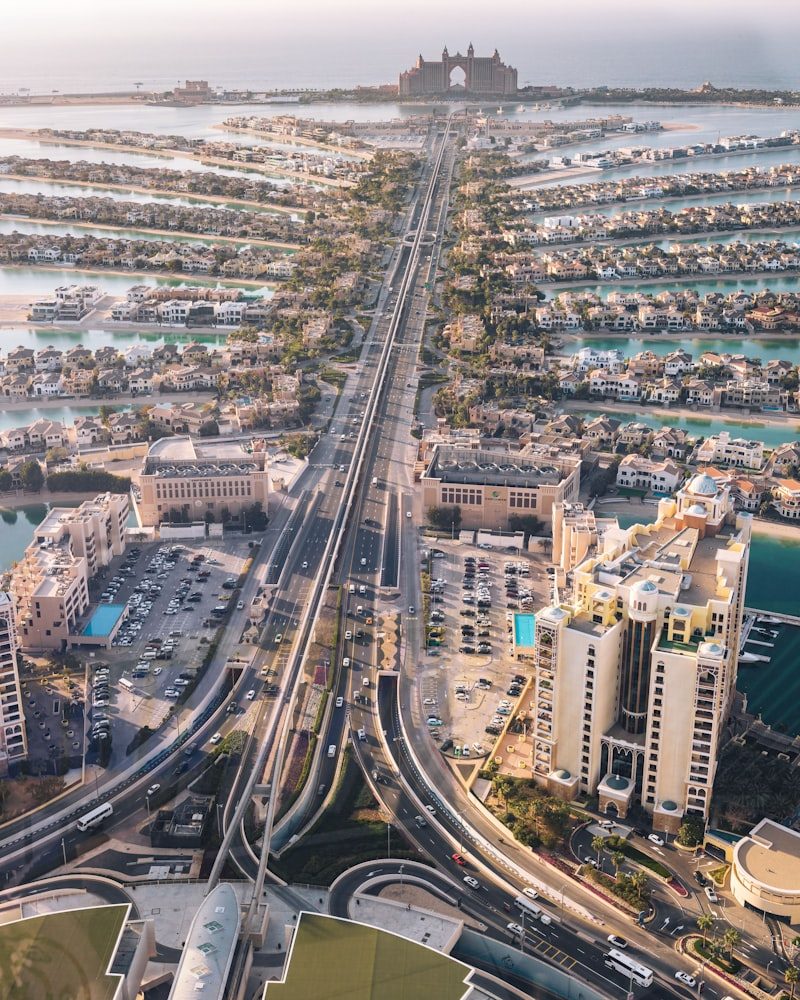
- Palm Jumeirah: An artificial island of resort hotels and private beaches. The metro does not run directly onto the island; access is by monorail.
- Al Barsha: Near Mall of the Emirates and served by the metro, this area has a concentration of relatively affordable city hotels.
Budget Plan (3 days, per person, USD)
| Category |
Backpacker |
Medium |
Luxury |
| Accommodation (2 nights) |
50-80 (Deira Hotel) |
200-400 (near Marina/Shopping Mall) |
1000+ (Atlantis / Burj Al Arab) |
| Transportation (Metro & Taxi) |
15 (Nol Card) |
50 (Taxi & Careem) |
150 (Premium Careem / With Driver) |
| Food |
30-50 (Ravi & Al Ustad) |
120-200 |
500+ (Zuma & Pierchic) |
| Entrance Tickets (Burj Khalifa etc.) |
30 (Frame + Fountains) |
140 (Burj Khalifa + Museum of the Future) |
350 (Helicopter Tour & VIP Entrance) |
| Entertainment / Shopping |
30 |
80 |
400+ |
| Total (3 days) |
155-205 |
590-870 |
**2400++ |
Practical Tips
- Alcohol sales in restaurants are restricted. Ordinary street restaurants may not sell alcohol; it is sold only in licensed hotel restaurants, bars and nightclubs. It cannot be bought in supermarkets either.
- Dress rules. Dubai is more relaxed than other cities in the region; wearing a bikini or shorts around the marina and beaches causes no problems. Clothing covering shoulders and knees is required when entering shopping malls, government offices and mosques — signs at mall entrances state this rule.
- Medication rules. Some prescription medicines brought into the UAE (particularly those requiring a red prescription) may fall on the list of prohibited substances. Carry prescriptions for any medicines you take regularly.
- Watch out for heatstroke in summer. Between June-September, avoid the midday sun and drink more water. Air conditioning is powerful, so bring a light cardigan for the temperature difference between indoors and outdoors.
Travel Guide with Children
Dubai is well suited to families with children: the world's tallest building, large aquariums, desert safaris and water parks can easily be planned around children's ages. Its infrastructure is equipped with child-friendly facilities — baby-care rooms, elevators and discounted tickets are found throughout the city.
Recommendations by Age Group
Ages 0-3: Dubai Mall's baby-care rooms offer hotel-level comfort. Air-conditioned malls are a practical escape from the heat. Parks along Dubai Creek and JBR beach are suitable for little ones.
Ages 4-7: Dubai Aquarium's glass tunnel and penguin section appeal to this age group. Legoland Dubai provides a full day of activities. As an indoor theme park, IMG Worlds of Adventure is also an option in summer.
Ages 8-12: Going up Burj Khalifa (buy tickets in advance), dune bashing on desert safaris for over-8s, and Wild Wadi or Aquaventure water parks fill this age group's schedule.
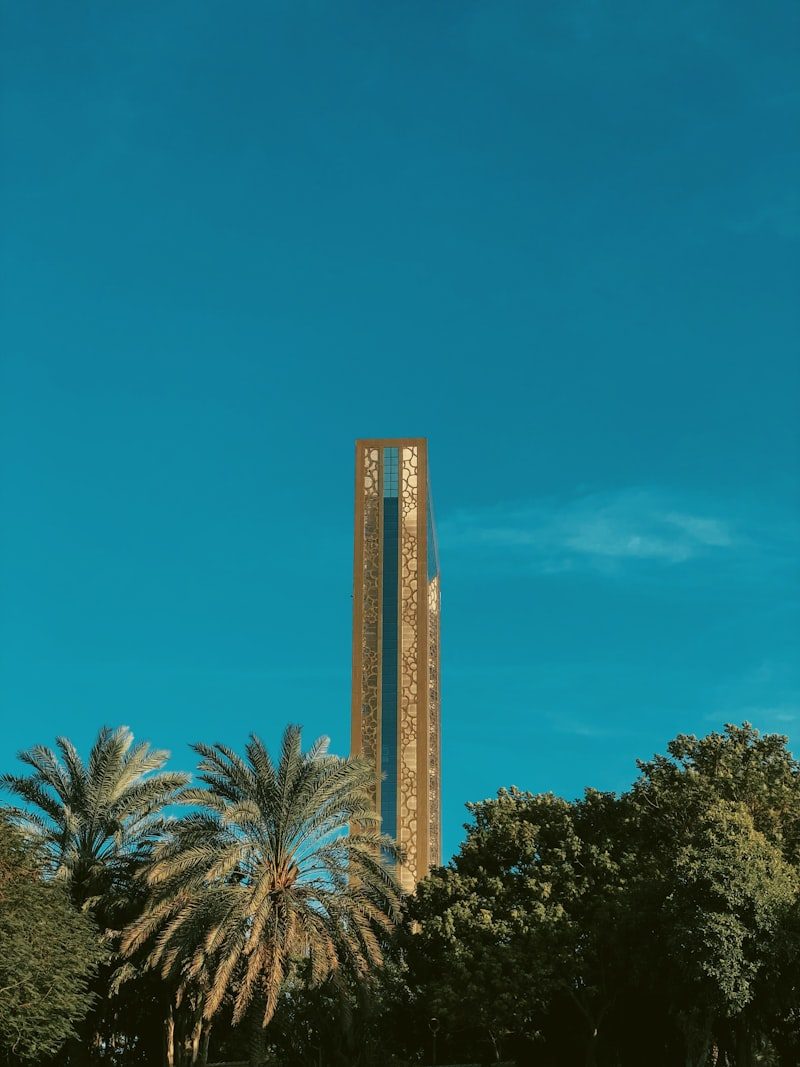
Ages 13+: Skiing at Ski Dubai and stepping back out into 40°C heat makes an interesting contrast for this age group. Global Village, Dubai Frame and a Marina walk are popular stops with teenagers.
Top 5 Kid-Friendly Activities
Dubai Aquarium & Underwater Zoo — The aquarium in Dubai Mall houses 33,000 marine creatures around a glass tunnel; there is shark diving for older visitors and a touch pool.
Legoland Dubai + Legoland Water Park — More than 40 rides, shows and attractions. The water park is included in the ticket; suitable for children aged 2-12.
Desert Safari — Dune bashing, camel riding, henna painting and dinner at a desert camp are offered together.
Aquaventure Waterpark — The water park at Atlantis The Palm has 105 slides, a wave pool, a lazy river and a separate children's area; allow a full day.
KidZania Dubai — An interactive city in Dubai Mall where children try out professions. Children aged 4-16 take on the roles of pilots, doctors or journalists.
Practical Information
Strollers: Malls' flat, spacious floors make getting around with a stroller easy, and some centers offer free rentals. Outdoor walking is difficult in the heat, so cars or taxis are needed.
Children's menus: The vast majority of restaurants offer children's menus; international cuisine choices are extensive, with child-friendly options from fast-food chains to fine dining.
Children's ticket discounts: The metro is free for under-5s. Most attractions and theme parks offer child fares, and some hotels provide free stays for children.
Toilets: Comfortable and widely available in shopping malls. Clean toilets are also available at beaches and parks.
Warnings
- In summer (June-September), temperatures exceed 45°C and outdoor activities become almost impossible; plan indoor activities.
- Keep sunscreen, a hat and a water bottle with you.
- Eating and drinking in public during daylight hours is prohibited in Ramadan, and this rule also applies to children.
- The risk of sunburn is high at swimming pools; choose UV-protective clothing.
Local Label and Culture Notes
Although Dubai looks cosmopolitan and modern, it is an Islamic emirate governed by Sharia rules. In this context, a few rules require attention:
- Excessive public displays of affection such as kissing or hugging are prohibited (except on beaches); penalties may apply if a complaint is made.
- Eating, drinking water or smoking on the street during daylight hours is prohibited in Ramadan — hotels open private enclosed dining areas for tourists.
- Photographing locals (men in kanduras, women in abayas) without permission is frowned upon.
FAQ
How to get a Dubai visa?
Turkish citizens with burgundy passports need a visa. Applications are entirely online (e-visa); apply with a passport copy through agencies, THY or Pegasus, and the visa arrives by email as a PDF within 3-5 days. Green passport holders do not need a visa.
Is Dubai a cheap city?
Generally, no. As a luxury-oriented city, prices in Marina and Downtown run above those of major European cities. In expatriate neighborhoods such as Deira and Satwa, accommodation and food prices fall significantly.
Is it forbidden to chew gum in the subway?
Yes. Chewing gum, eating or drinking water is prohibited in metro stations and trains. If caught, you pay a fine of 100 AED (about 27 USD).
When is the Desert Safari held?
Desert safari tours usually start around 15:00 in the afternoon. The program includes driving over sand dunes in 4x4 vehicles (dune bashing), camel riding, dinner at a desert camp and dance shows. The cool winter weather makes it comfortable, while summer heat makes it challenging.