About
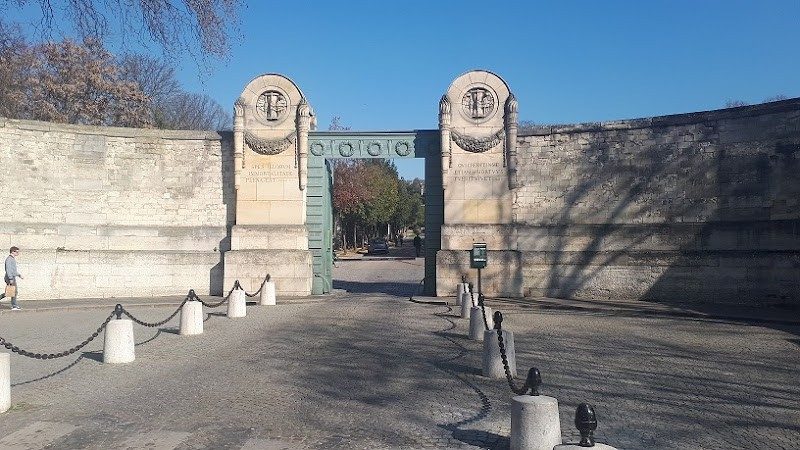
Paris, the capital of France, is home to around 2.1 million people and is one of Europe's most visited cities. The Seine divides it into the Rive Droite (Right Bank) to the north and Rive Gauche (Left Bank) to the south. The city has 20 arrondissements (districts), numbered in a clockwise outward spiral from the centre; the 1st begins around the Louvre, and the 20th ends at Père Lachaise.
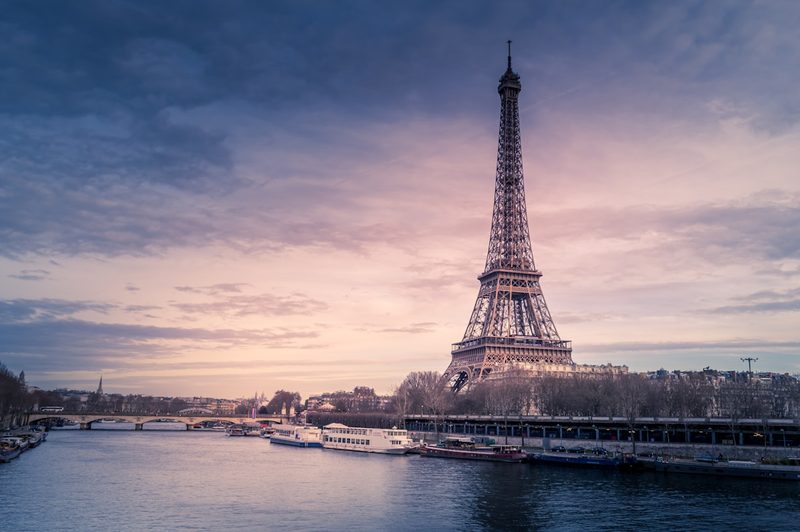
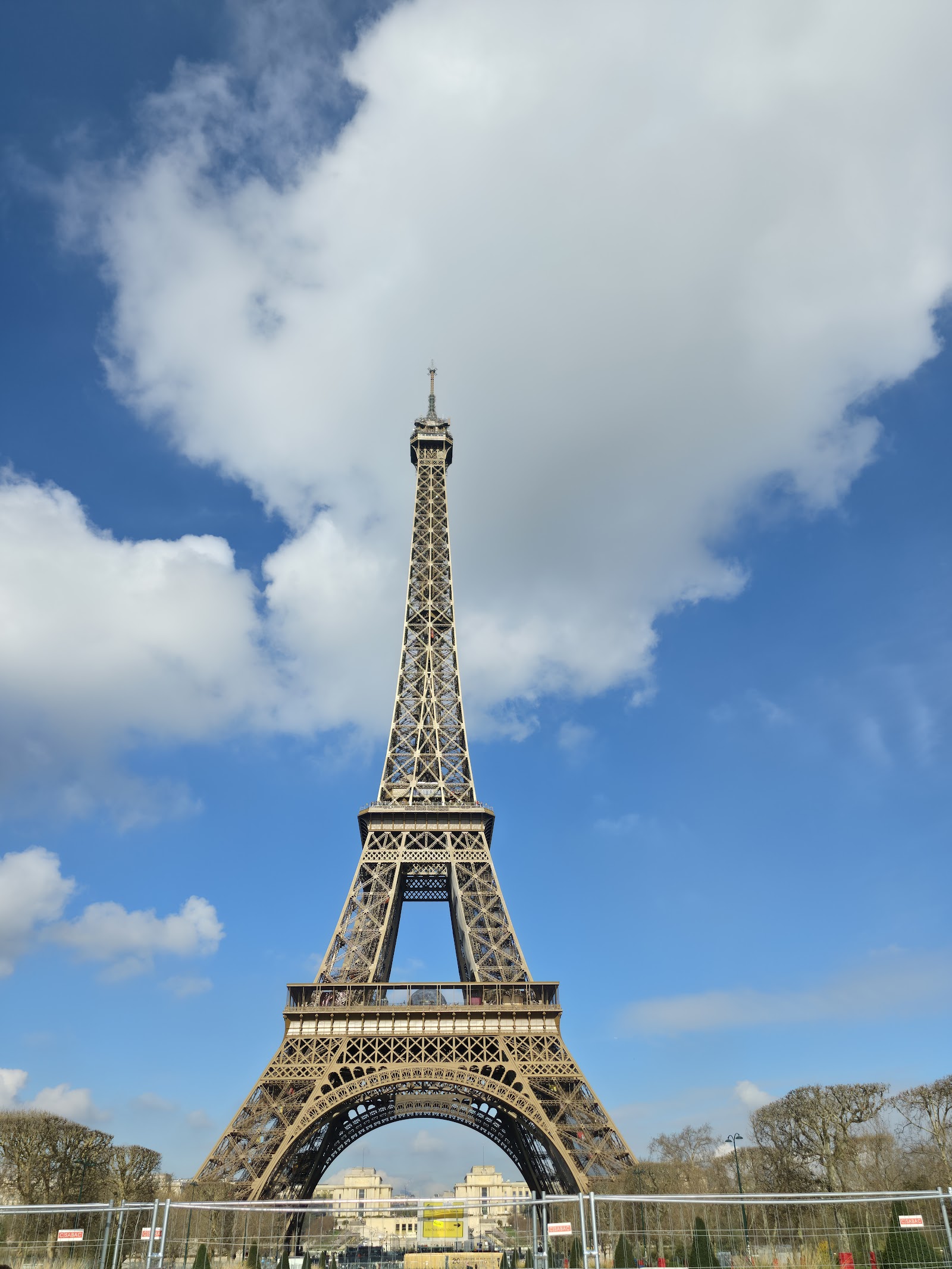
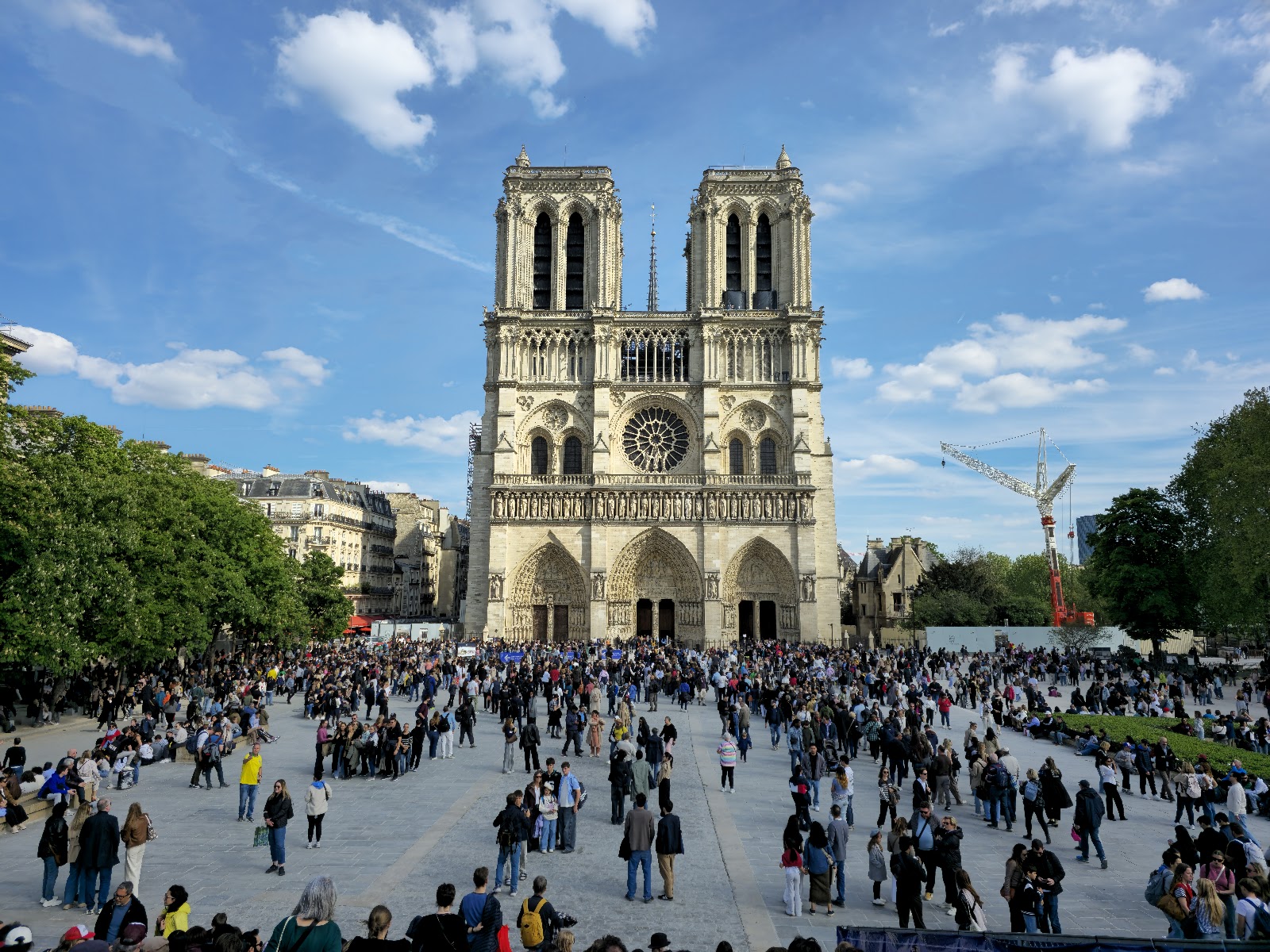
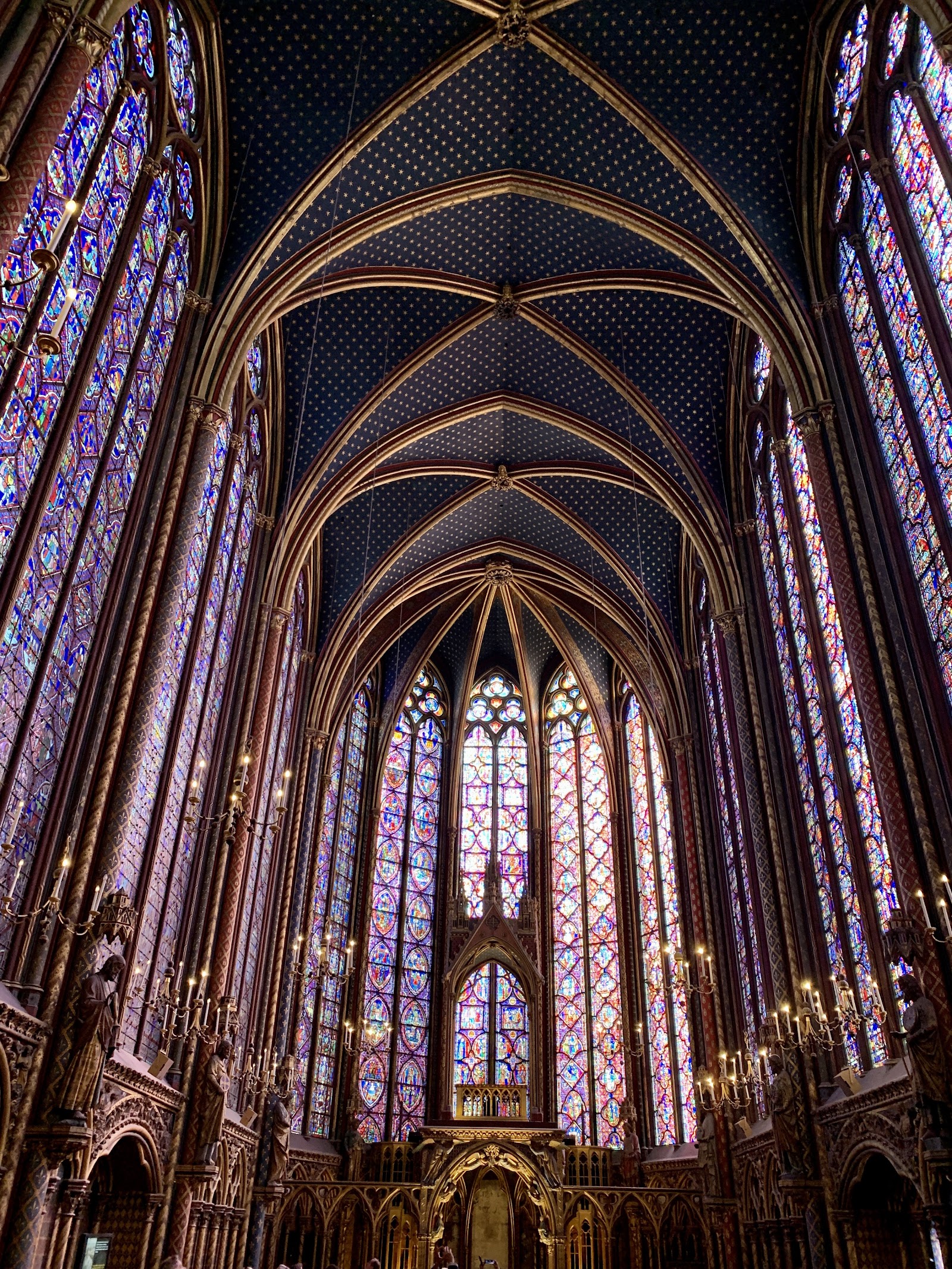
Paris's history reaches back to Lutetia, a settlement established on the Seine's Île de la Cité in the third century BC. After the Romans, the Franks and the Capetian dynasty made the city their capital; since Hugues Capet took the throne in 987, Paris has remained France's centre for a thousand years. Gothic architecture (Notre-Dame, Sainte-Chapelle), seventeenth-century classicism (Versailles), Haussmann's nineteenth-century boulevards and the Eiffel Tower of 1889 form the city's overlapping layers.
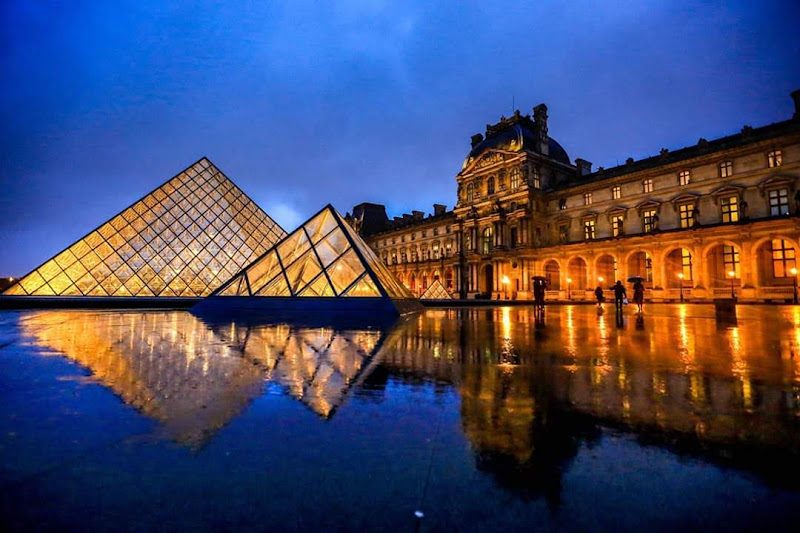
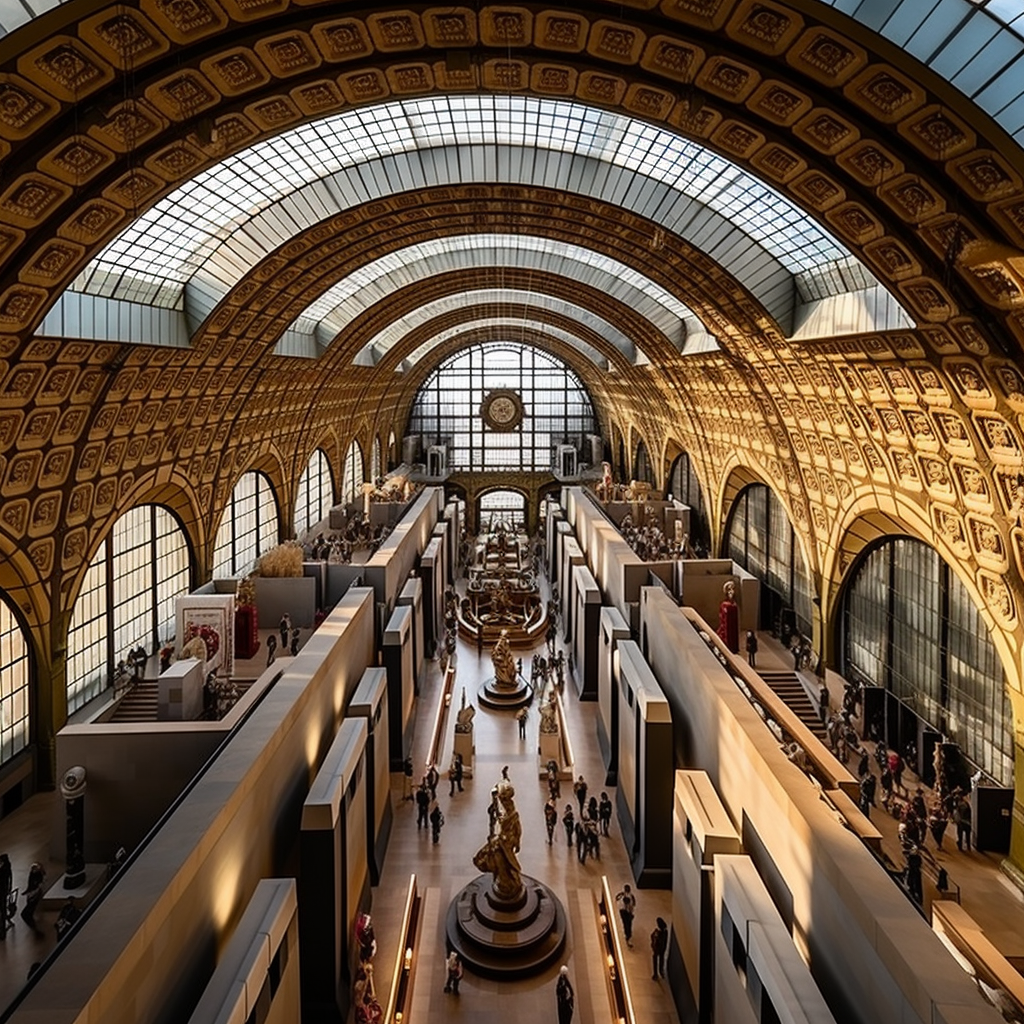
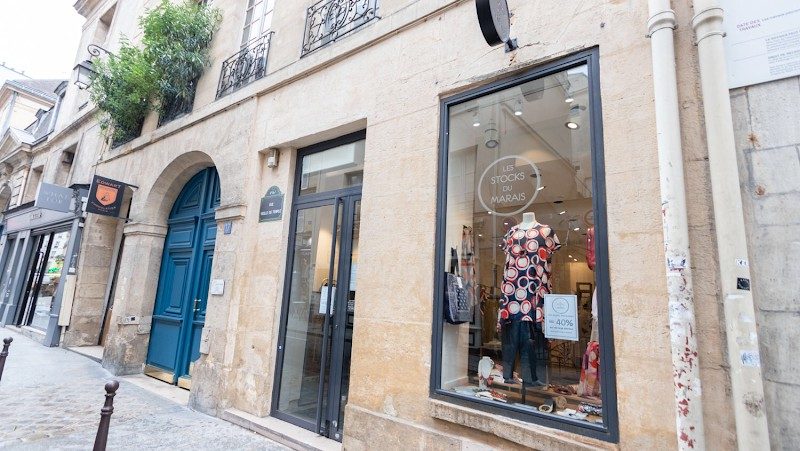
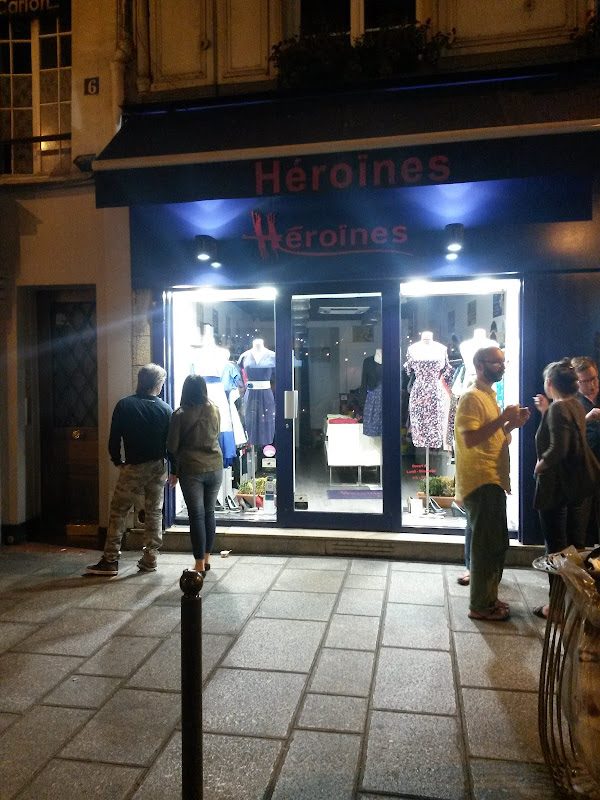
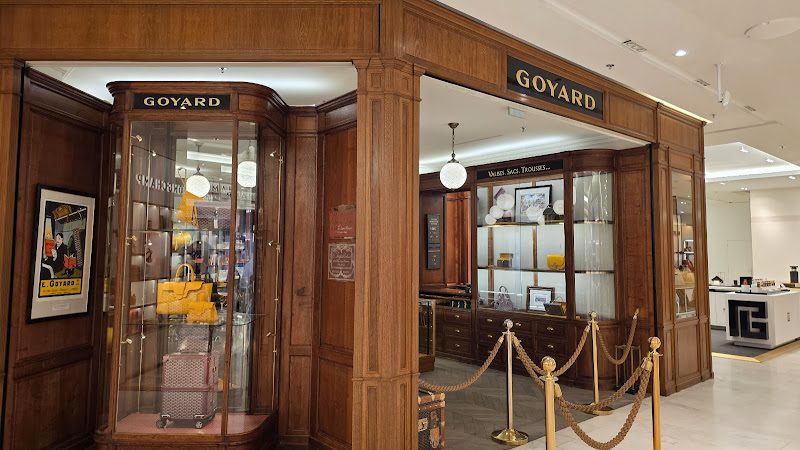
Today, visitors come to Paris for three main identities: art and culture (the Louvre-Orsay-Pompidou axis), fashion and luxury (Avenue Montaigne, Faubourg Saint-Honoré and Le Marais boutiques), and gastronomy (bistro classics, modern Michelin-starred cooking and boulangerie culture). Eiffel Tower photos always come from the same angles, and the Mona Lisa is crowded; yet simply sitting in a café with a café crème and watching the city go by explains what has drawn people here for two centuries.
When to visit
Paris has a temperate oceanic climate, with extremes of heat or cold rare. Rain falls throughout the year, so carrying an umbrella is useful even around midday.
| Period |
Weather (daytime) |
Density |
Otel Fiyatı |
Notes |
| January-February |
3 / 8° |
Low |
Low |
Cold and damp; museums are empty, season of opportunity |
| March |
5 / 12° |
Medium |
Medium |
Spring is opening; rain often |
| April |
8 / 16° |
Medium-High |
Medium-High |
One of the ideal months; gardens bloom |
| May |
11 / 20° |
High |
High |
The most suitable month; Roland-Garros weekend crowd |
| June |
14 / 23° |
High |
High |
Long days, open cafe season; Fête de la Musique |
| July |
16 / 26° |
Very High |
High |
Hot and crowded; Bastille Day; locals are on holiday |
| August |
16 / 26° |
High (tourist) |
Medium-High |
The locals are not in the city; many bistros are closed |
| September |
13 / 22° |
High |
High |
The second most ideal month is; Fashion Week is expensive |
| October |
9 / 17° |
Medium |
Medium |
Autumn colors; Nuit Blanche |
| November |
5 / 11° |
Low-Medium |
Low |
Rainy; Paris Photo |
| December |
3 / 8° |
Medium-High |
Medium-High |
Christmas lights, markets, mulled wine |
We generally recommend April-June and September-October. July and August are hot and very crowded; many small restaurants and bakeries also close as a large share of locals leave on holiday. In December, Christmas markets and shop windows give the city a special atmosphere.
Getting there
Paris has two main airports:
- Charles de Gaulle (CDG) — 25 km northeast of the city; the vast majority of international flights land here.
- Orly (ORY) — 14 km south of the city; handles many intra-European and domestic flights.
- Beauvais (BVA) — the third airport used by low-cost airlines, 85 km away from the city.
Flights from Türkiye:
| Exit |
Duration |
Airline |
| Istanbul (IST) - CDG |
3 hours 50 min |
THY, Air France (6-8 flights per day) |
| Istanbul (SAW) - ORY |
4 hours |
Pegasus (1-2 times a day) |
| Ankara (ESB) - CDG |
4 hours 10 min |
THY (1 flight per day) |
| Izmir (ADB) - CDG |
4 hours |
THY (5-6 flights per week) |
Flight tips: For the summer season, start looking 2-3 months ahead. Tuesday and Wednesday flights are noticeably cheaper than weekend departures. Pegasus from Sabiha Gökçen offers a price advantage, though ORY-to-centre transport is a little more limited than from CDG.
By train: Eurostar takes around 2 hours 20 minutes between London St Pancras and Paris Gare du Nord. Thalys takes 1 hour 22 minutes from Brussels and 3 hours 20 minutes from Amsterdam. By TGV, Marseille is 3 hours 15 minutes away and Lyon 2 hours. Within Europe, rail often works out faster than flying.
Urban Transportation
Paris's public transport network is a global benchmark. The Métro, RER (regional express), buses, trams and Vélib (bike sharing) work together.
Métro: 14 lines reach the whole city. Services run from 05:30 to 00:30, extending to 02:15 on Friday and Saturday nights. Stations average 500 metres apart. A single ticket is 2.15 EUR, and a ten-ticket carnet is 17.35 EUR.
RER: Five lines (A, B, C, D, E) extend to the suburbs. Use RER C for Versailles, RER A for Disneyland and RER B for CDG airport. A métro ticket covers the central zone; suburban journeys need an additional ticket.
Navigo Easy + Navigo cards: As of 2026, the plastic Navigo Easy card costs 2 EUR and can be loaded with carnets. For longer stays, the weekly Navigo Découverte card (around 35 EUR, starting on Monday) offers unlimited travel in all zones; a photo is required.
Vélib: A bike-sharing scheme with 1400 stations. A day pass costs around 5 EUR; the first 30 minutes are free, then 1 EUR per 30 minutes. Electric bikes cost a little more. Paris is flat and has an extensive cycle-lane network.
Taxis vs Uber: Uber, Bolt and Heetch operate here. Airport transfers have fixed fares: CDG to the central Right Bank is 56 EUR, and to the Left Bank 65 EUR. For short city journeys, Uber generally costs about the same as a metered taxi; night surcharges apply.
Accommodation Regions
Your choice of neighbourhood directly shapes your Paris experience. Five main recommendations:
- Le Marais (3rd-4th arrondissements): Historic Jewish quarter, boutiques and an LGBTQ+-friendly café scene, close to the Picasso and Carnavalet museums. Suits young couples or small groups. Hotel prices are mid-to-high range.
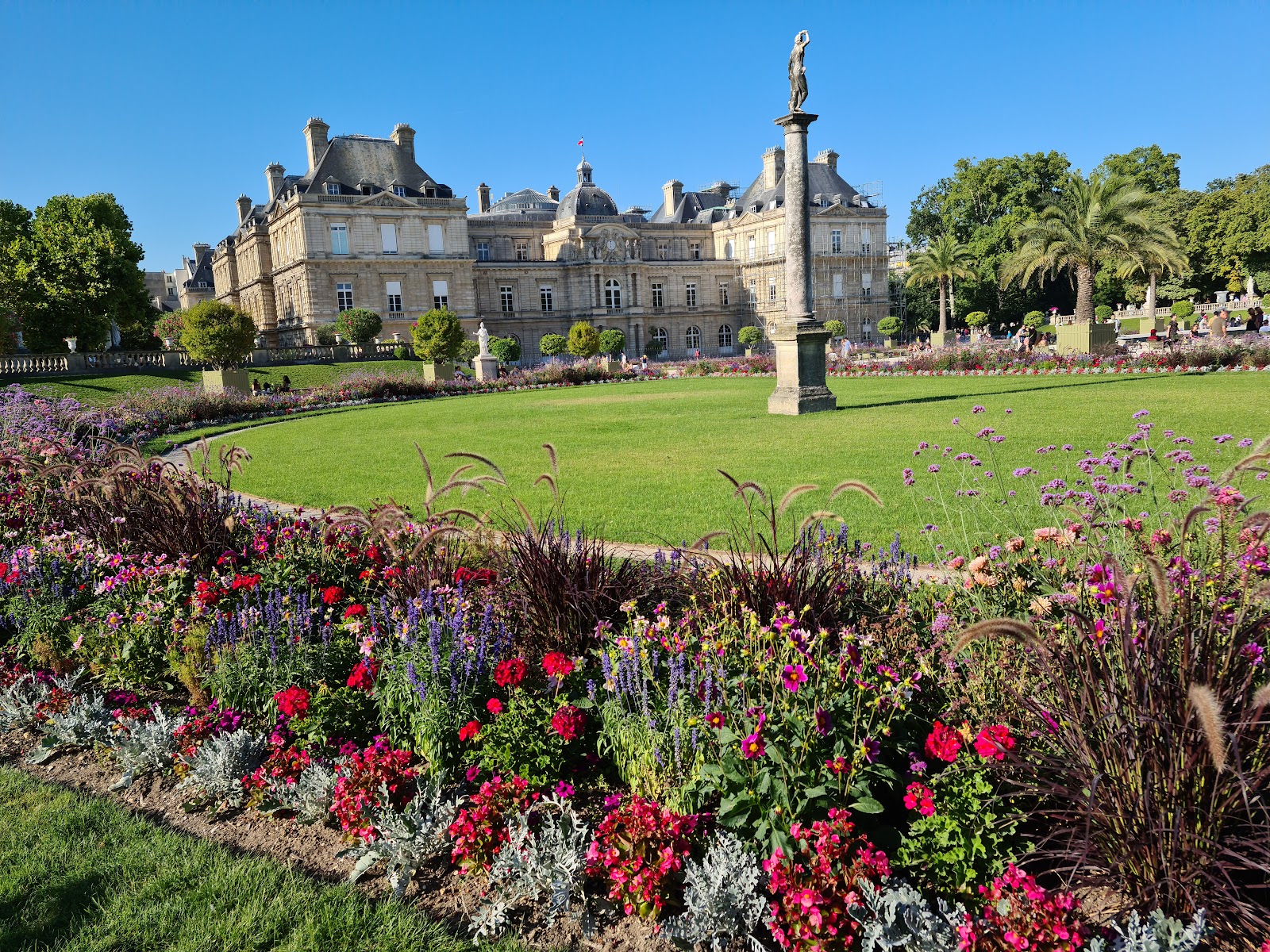
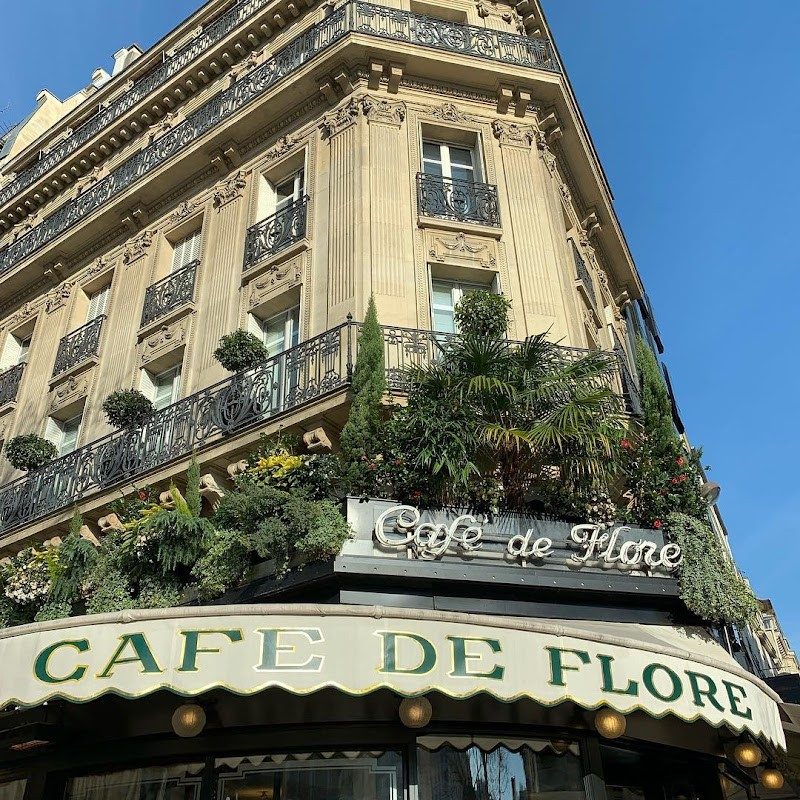
- Saint-Germain-des-Prés (6th arrondissement): A neighbourhood steeped in literary history with an "old Paris" feel. Café de Flore and Les Deux Magots are here. The Luxembourg Gardens and Orsay are within walking distance. Suits culture-focused trips; prices are high.
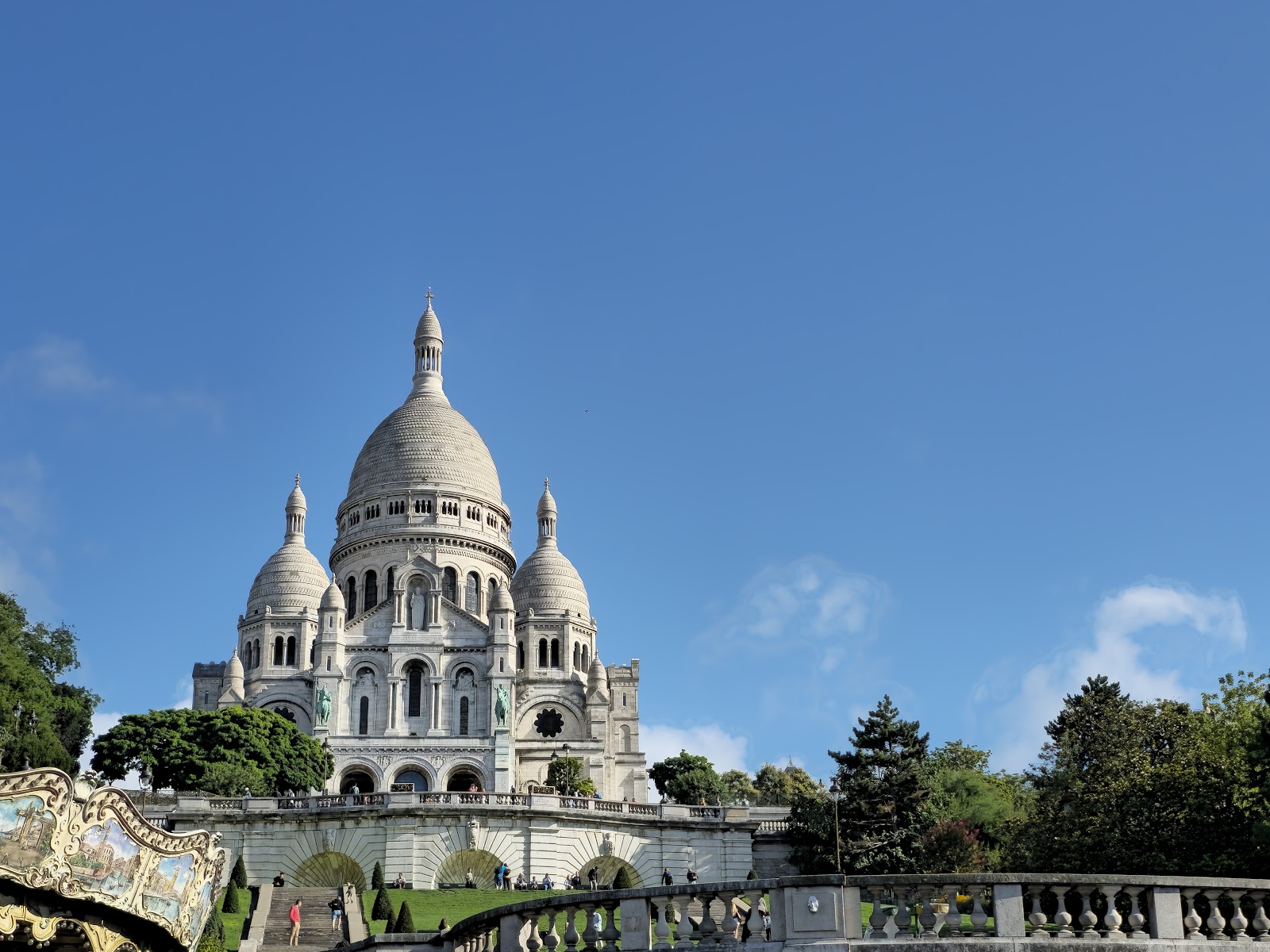
- Montmartre (18th arrondissement): The artists' quarter beneath Sacré-Cœur. Hilly, which can make handling luggage difficult. Hotels are more affordable than in other central districts.
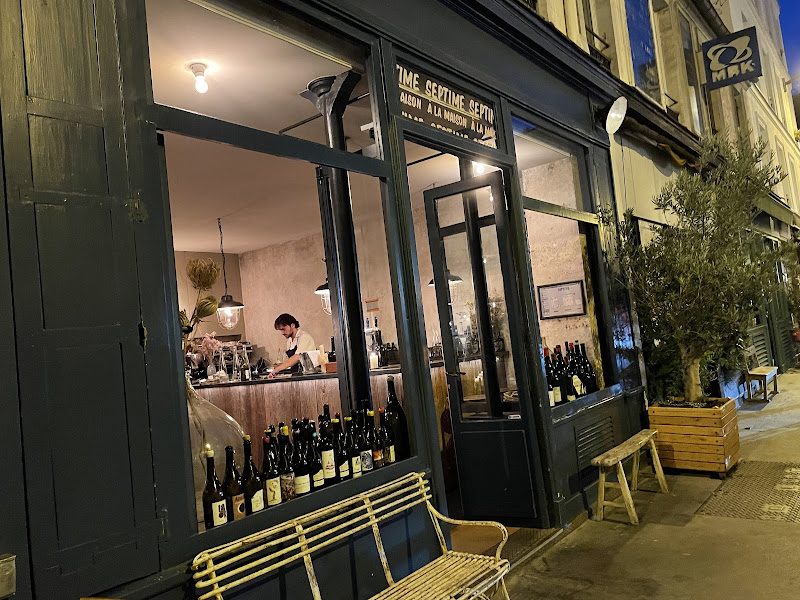
- Bastille / République (11th arrondissement): A lively local café-and-bar scene, close to dining destinations such as Septime. Easy métro connections everywhere. Affordable and vibrant for younger travellers.
- Latin Quarter (5th area): Sorbonne area, student population, relatively affordable. Notre-Dame and Panthéon are within walking distance.
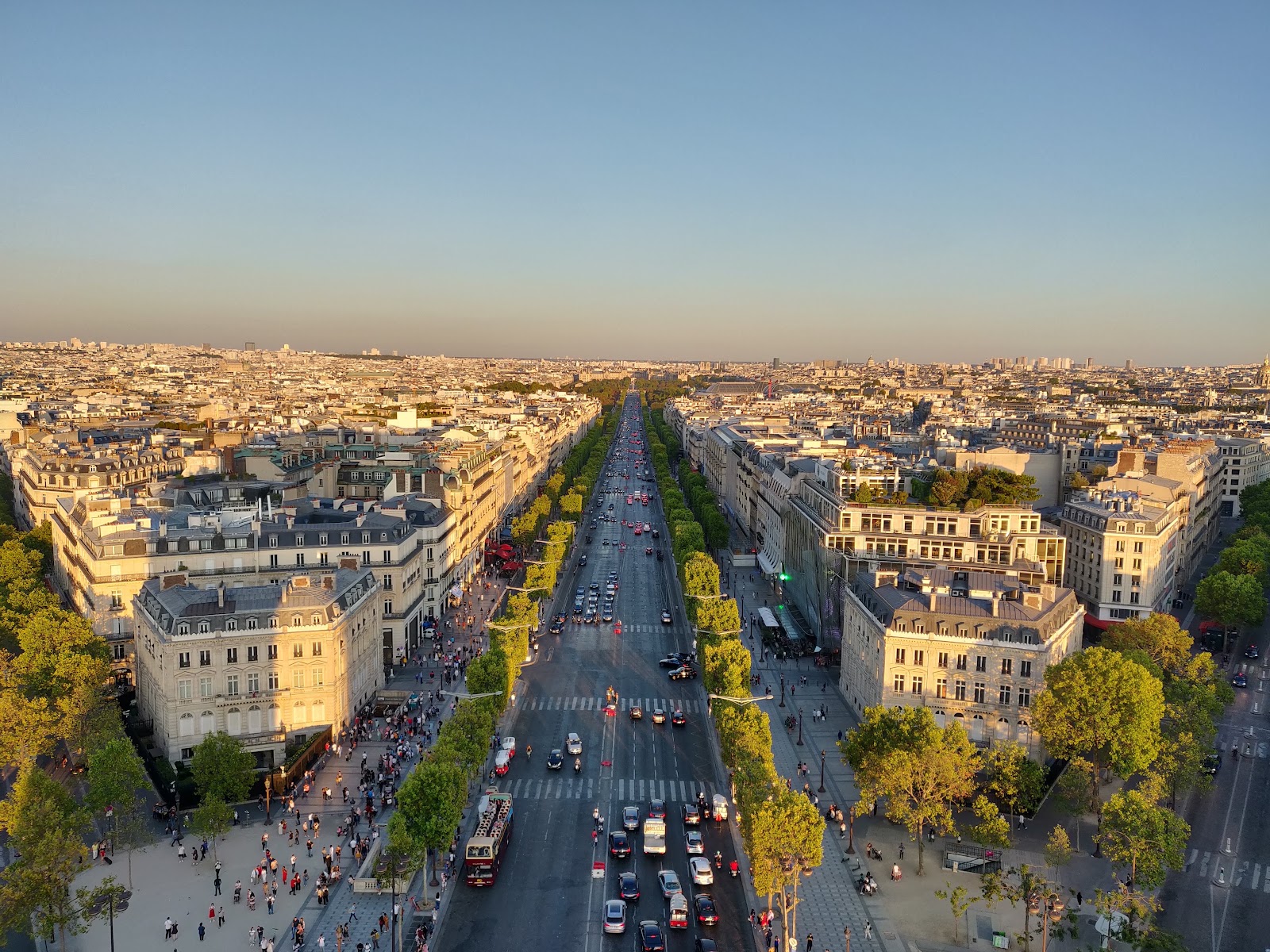
We do not recommend the area around the 8th arrondissement (Champs-Élysées): touristy and expensive, with empty streets at night; the northern end of the 18th (Barbès) calls for caution in the evening.
Budget Plan
Paris is expensive. Estimated budgets for two people for three nights and three days, excluding flights:
| Budget Style |
Accommodation |
Food |
Activity/Transportation |
Total (2 people/3 days) |
| Economic (hostel/2* hotel, boulangerie + 1 bistro) |
300 EUR |
180 EUR |
80 EUR |
~600 EUR |
| Moderate (3-4* hotel Marais/Latin, bistro mixed) |
700 EUR |
350 EUR |
150 EUR |
~1.200 EUR |
| Comfort (4-5* boutique hotel, gastronomy 1 meal) |
1.400 EUR |
600 EUR |
200 EUR |
~2,200 EUR |
| Luxury (Ritz, Plaza Athénée, Michelin 2-3 stars) |
4,000 EUR+ |
1.500 EUR+ |
400 EUR |
~6,000 EUR+ |
Typical costs: A regular coffee costs 4-5 EUR, a croissant 1.5-2 EUR, a simple bistro lunch menu 18-25 EUR, a dinner main course 25-40 EUR, and a one-Michelin-star dinner menu 80-150 EUR. Museum entry averages 14-22 EUR; the Paris Museum Pass (70 EUR for 2 days, 90 EUR for 4 days) pays for itself if you plan 4+ museums.
Practical Tips
Métro and pickpockets: The Paris Métro is safe, but Line 1 (Louvre-Champs-Élysées), Line 4 and RER B (airport) are particularly known for pickpocketing. Do not keep your wallet in your back pocket or stand beside ticket gates using your phone. Stay alert in crowded carriages.
Restaurant "service compris": In France, gratuities are legally included in the bill, so there is no obligation to tip. If satisfied, rounding up by 1-2 EUR or leaving 5-10% is customary but optional. The US expectation of 20% does not apply here.
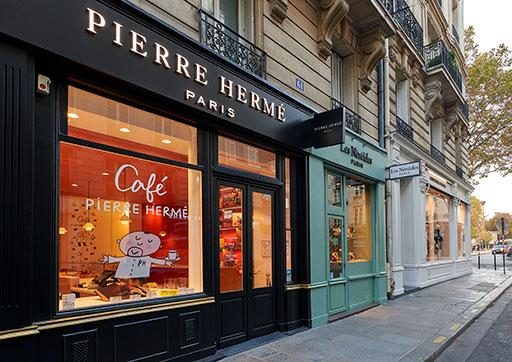
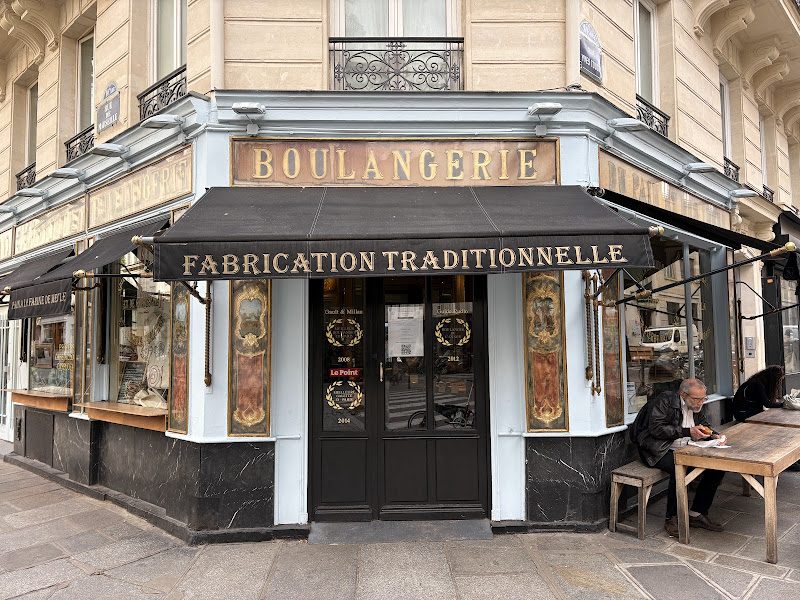
Breakfast and boulangerie culture: If hotel breakfast costs 20-30 EUR per person, as it often does, a neighbourhood bakery offers a croissant and café crème for 5-6 EUR, with a more authentic experience too. Pierre Hermé, Du Pain et des Idées, Poilâne and Stohrer are benchmark bakeries.
Ticket checks: Do not throw away your métro ticket on exit; inspectors may ask for a valid ticket even after the gates. The fine is around 50 EUR.
Health: Call 15 for medical emergencies (SAMU ambulance service) or 112 for general emergencies. Hôpital Américain de Paris and Hôpital Hôtel-Dieu are hospitals tourists often use. Pharmacies display a green cross, with lists of overnight duty pharmacies posted on their doors.
Water: Tap water is safe to drink, and Paris's fountains, including Wallace fountains, are safe too. In restaurants, ask for free tap water by saying "une carafe d'eau, s'il vous plaît".
Travel Guide with Children
Paris is a much better city for families with children than one might think. Parks, museums, crêpes and merry-go-rounds — the French treat children as "little adults" and expect proper behavior from them, even in restaurants, but do so warmly.
Recommendations by Age Group
0-3 years old: The playground in the Jardin du Luxembourg is the best in Paris (paid but great). The Tuileries garden is also large and stroller friendly. The metro is difficult with a stroller — many stairs, few elevators. Buses are more practical.
4-7 years old: Going up to the first two floors of the Eiffel Tower is enough for children. Cité des Sciences et de l'Industrie (La Villette) huge interactive science museum is a favorite of these ages. Boat tour (Bateaux Mouches) on the Seine is fun.
8-12 years: Treasure hunting tour of the Musée d'Orsay and the Louvre (child guides available). The gardens of the Palace of Versailles are magnificent for running around. Paris catacombs (underground bones) can be interesting but frightening for those over the age of 10.
Ages 13+: Montmartre's street artists, Le Marais' vintage shops, Disneyland Paris and walks along the Seine attract young people.
Top 5 Kid-Friendly Activities
Cité des Sciences et de l'Industrie — Huge science museum in La Villette. Cité des Enfants (separate sections for ages 2-7 and 5-12) are interactive and excellent.
Jardin du Luxembourg — Playground, pony riding, sailboat rental (in the pool), puppet theatre. Spend half a day.
Eiffel Tower — Stairs or elevator access to the first two floors. Picnics and running around in Champ de Mars park are bonuses for kids.
Disneyland Paris — 32 km east, 45 minutes by RER. Classic Disney + Walt Disney Studios. Allow at least 1 full day.
Bateaux Mouches Seine Tour — 1-hour boat tour shows Paris' monuments from the water. Children love passing under bridges.
Practical Information
Baby stroller: Paris sidewalks are generally smooth, but the metro is a nightmare — very few elevators, endless stairs. RER lines are better. The buses are suitable for strollers.
Kid's menu: Most restaurants have a menu enfant (kids' menu) — usually steak haché (burger patty) + fries + ice cream. Crêpe stands are kids' favorites.
Children's ticket discounts: Metro: Free for children under 4, half price for 4-9. In most museums, children under 18 are free (EU and some country citizens). Paris Museum Pass is valuable for families.
Toilet: Free in museums. Sanisette automatic toilets on the streets are free but there may be a queue. Cafes are generally open to customers.
Warnings
- Pickpockets are very active in tourist areas (Eiffel, metro, Sacré-Cœur) — be careful with children and protect your bag.
- The French expect children to sit quietly in the restaurant, children who are too loud may be subject to glares.
- Some lines of the Metro are very hot (there is no air conditioning), which can be unbearable during crowded hours in summer.
- Watch out for dog feces on city sidewalks — don't let children sit on the ground.
Local Label / Culture Notes
The most common misconception about Paris is the stereotype that "Parisians are rude". The issue is cultural: French service etiquette includes an obligation to greet people. Entering a shop, café or taxi and starting without "Bonjour" is considered rude by locals. Saying "Au revoir, merci" when leaving is equally standard.
Language: Saying hello, thank you and "Excusez-moi, parlez-vous anglais?" in French before switching to English noticeably softens the tone of service. Starting directly in English is no problem for younger people, but is poorly received in traditional bistros and rural areas.
Meal times: Lunch is 12:00-14:00 and dinner 19:30-22:00. Bistros close outside these hours; all-day dining is uncommon in Paris. Many places close on Sunday; Wednesday and Saturday have the most natural local weekend atmosphere.
Clothing: Parisians dress with understated care. Trainers, shorts and a backpack mark you out as a tourist and can also make you a target for pickpockets. Dark colours, simple cuts and few accessories make blending in easier.
Smoking: Smoking is banned inside restaurants, but terrace culture is strong, and terraces are largely smoking areas. If smoke bothers you, choosing an indoor table is practical.
FAQ
How many days to visit Paris?
Three days is the minimum, five ideal. You can see the main sights—Eiffel Tower, Louvre, Orsay, Notre-Dame, Montmartre and Versailles—in three days, but it is tiring. Five days allow a relaxed pace and time to discover neighbourhoods. With a week, add day trips such as Disneyland, Giverny or Reims.
Is English sufficient?
Yes in tourist areas; museums, hotels and large restaurants pose no problem. In neighbourhood bakeries, small bistros and taxis, basic French greetings make things noticeably easier.
Does the Paris Museum Pass make sense?
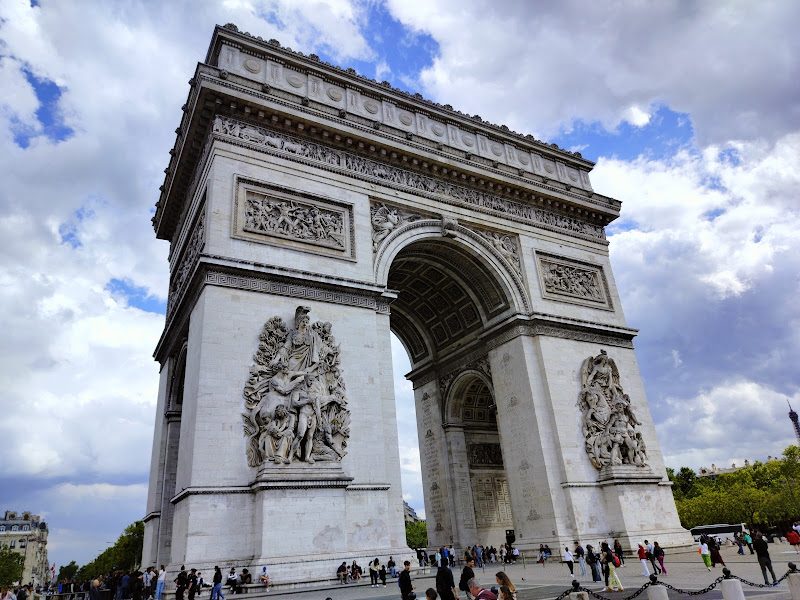
Yes, if you plan to visit 4 or more museums over two days. The Louvre, Orsay, Versailles, Sainte-Chapelle and Arc de Triomphe alone total 70+ EUR; the pass covers that and offers queue-free entry. For only 2-3 museums, separate tickets are cheaper.
Is Versailles a day trip?
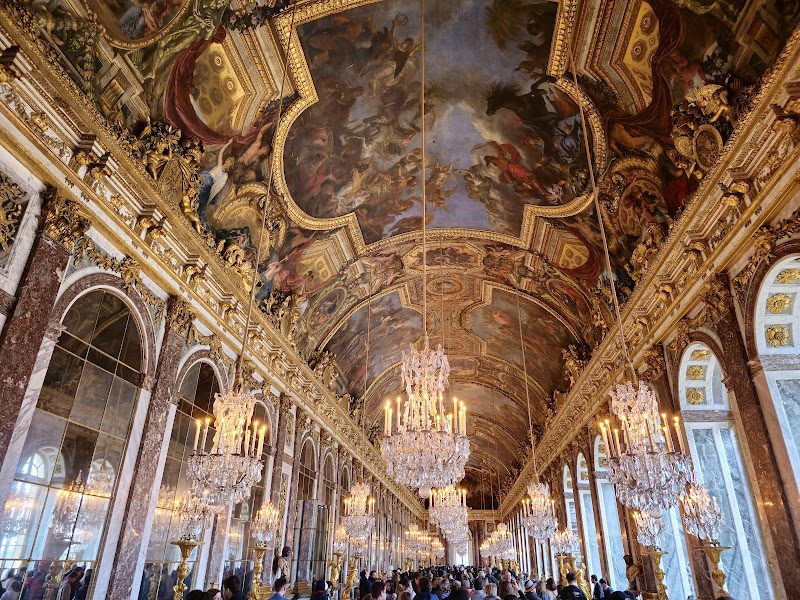
Yes. Arrive for the 09:00 opening and allow 2-3 hours for the Hall of Mirrors and apartments, plus 2-3 hours for the gardens. Add Marie Antoinette's hamlet if time remains. Factor in 1.5 hours for the return RER C journey. The palace is closed on Mondays.
How to get to Disneyland Paris?
RER A takes around 40 minutes from central Paris; the final stop, Marne-la-Vallée Chessy, is a 5-minute walk from the park entrance. A single ticket costs 8-10 EUR. A full-day, one-park ticket starts at 62 EUR; two parks (Disneyland + Walt Disney Studios) cost 87 EUR.
What time do the Eiffel Tower lights turn on in the evening?
After dark, the sparkle show runs for 5 minutes on the hour, for example at 22:00 or 23:00. The first show starts around 22:00 in summer and 18:00 in winter. To watch from Trocadéro, claim a spot 30-40 minutes ahead.
Is Notre-Dame open to visitors?
Yes. It reopened in December 2024, with free entry to the interior. The tower is open with limited capacity and advance reservations. Arriving at the 08:00 opening means a relatively quiet visit.
Is Center Pompidou open?
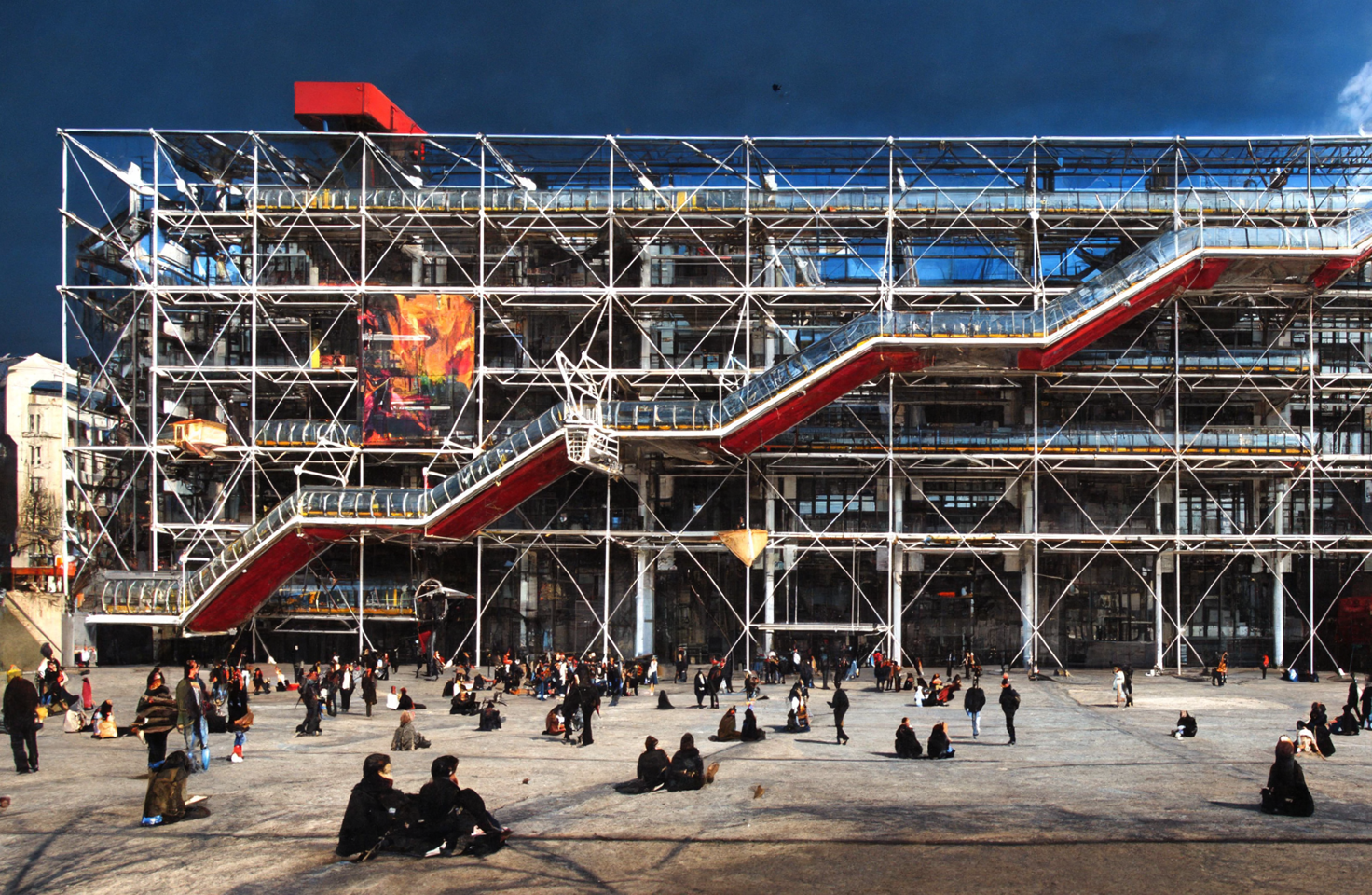
It closed for extensive renovation at the end of 2025, with reopening announced for 2030. Parts of the Picasso and Matisse collections are on display in various temporary venues during the work. Check the official website before visiting.
Is traveling to Paris with children tiring?
Métro stairs and older buildings can be challenging with a buggy. On the other hand, the Luxembourg Gardens, Tuileries, Jardin d'Acclimatation, Cité des Sciences and Disneyland are child-friendly. A short family tour of the Louvre works for ages 4 and up; for younger children, Orsay and the Versailles gardens are a better fit.