About
Budva is a 2,500-year-old port city on Montenegro's Adriatic coast. Rule passed from Greeks to Romans, Byzantines to Venetians, Ottomans to Austrians, leaving traces of every era. Today it is a small city of 19,000 people, but its population quadruples or quintuples in summer, when Russian, Serbian, Turkish and British visitors share the same shore. This is the source of the name "Balkan Riviera": pebble beaches, a walled town, yacht marinas and a mountain range behind them line 35 km of coast.
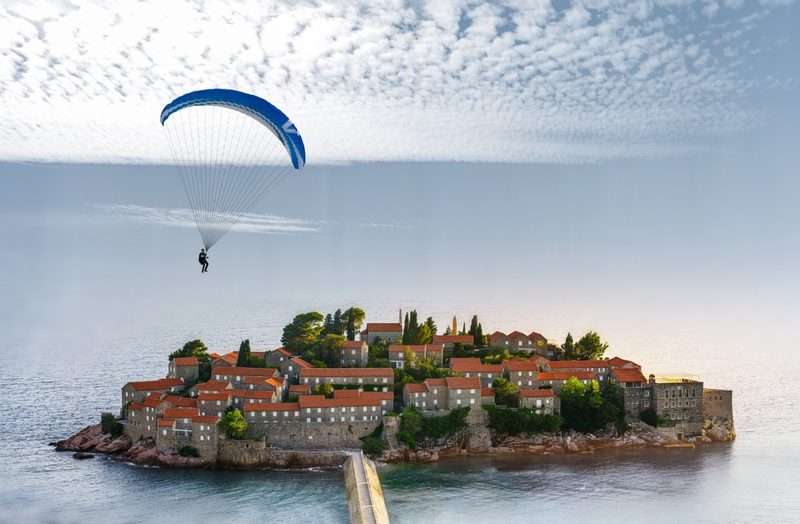
The islet of Sveti Stefan is the city's most recognisable image. Its stone buildings and terracotta roofs stand on an island linked to the mainland by a thin strip of sand. In the 1950s, the Yugoslav state emptied the fishing village and converted it into a luxury hotel, visited then by names such as Liz Taylor and Sophia Loren. After a five-year closure, the hotel reopened on 1 July 2026; only staying guests can enter the island. Photographs from the Belvedere viewpoint on the opposite hill show the island in its entirety.
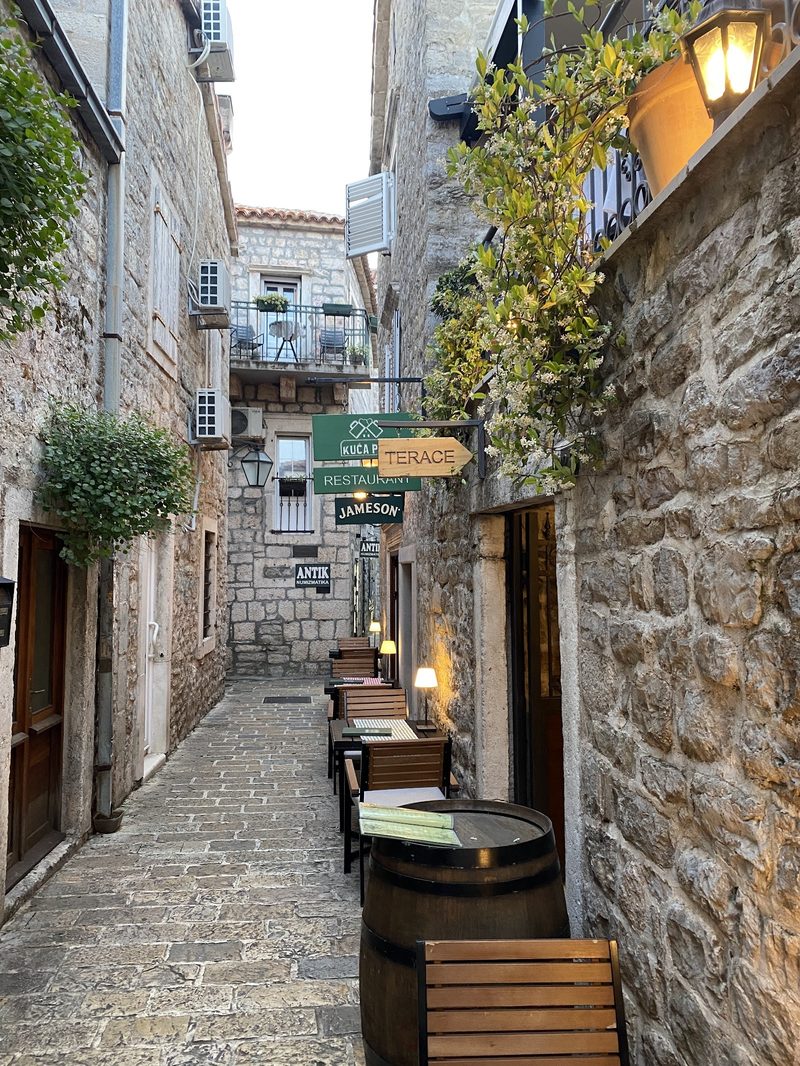
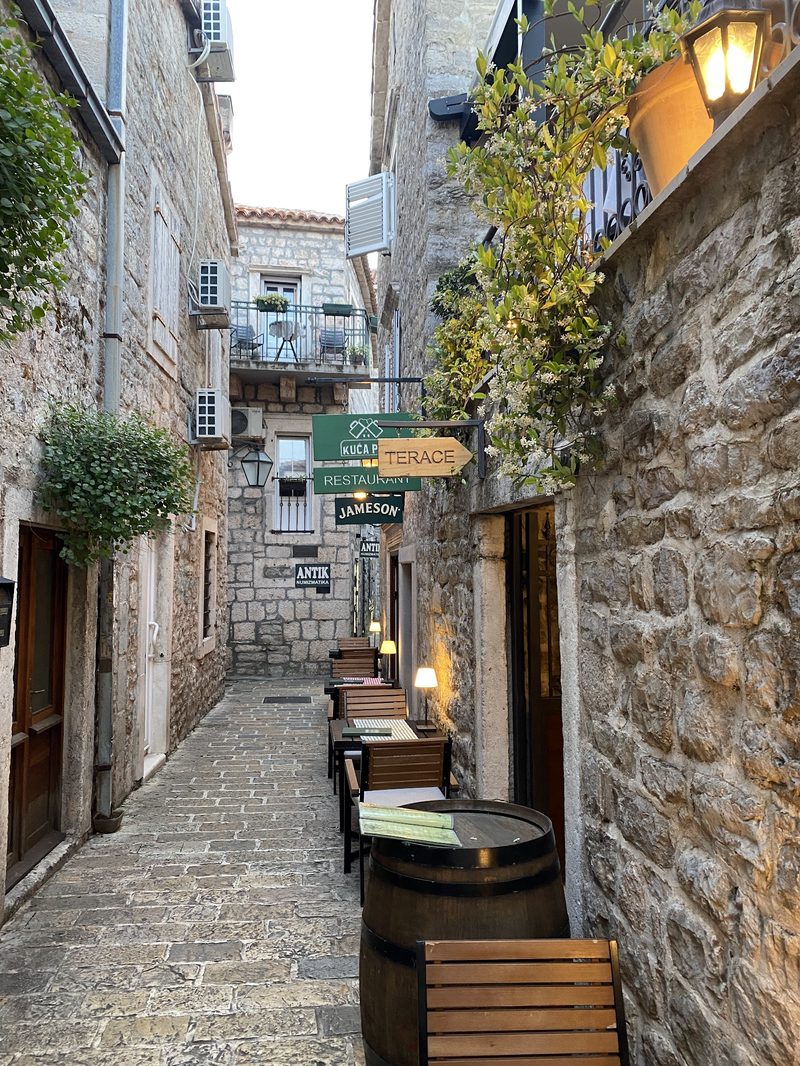
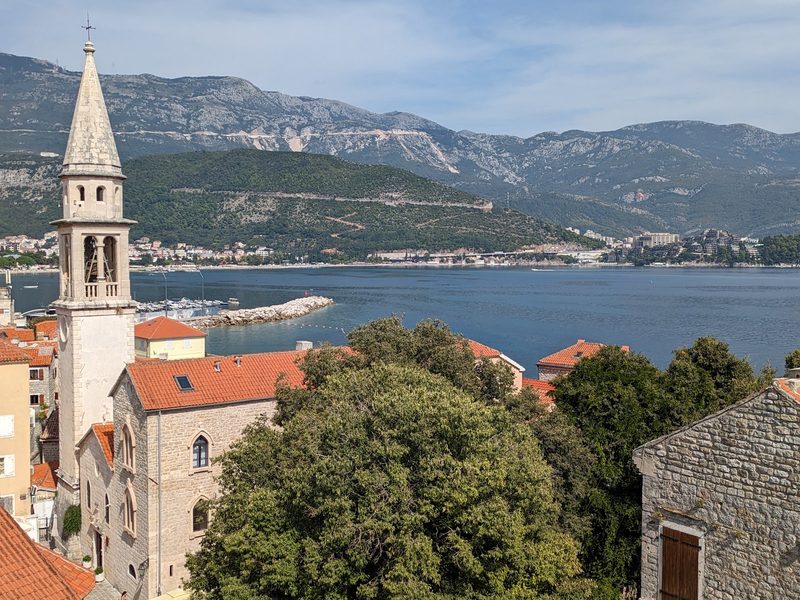
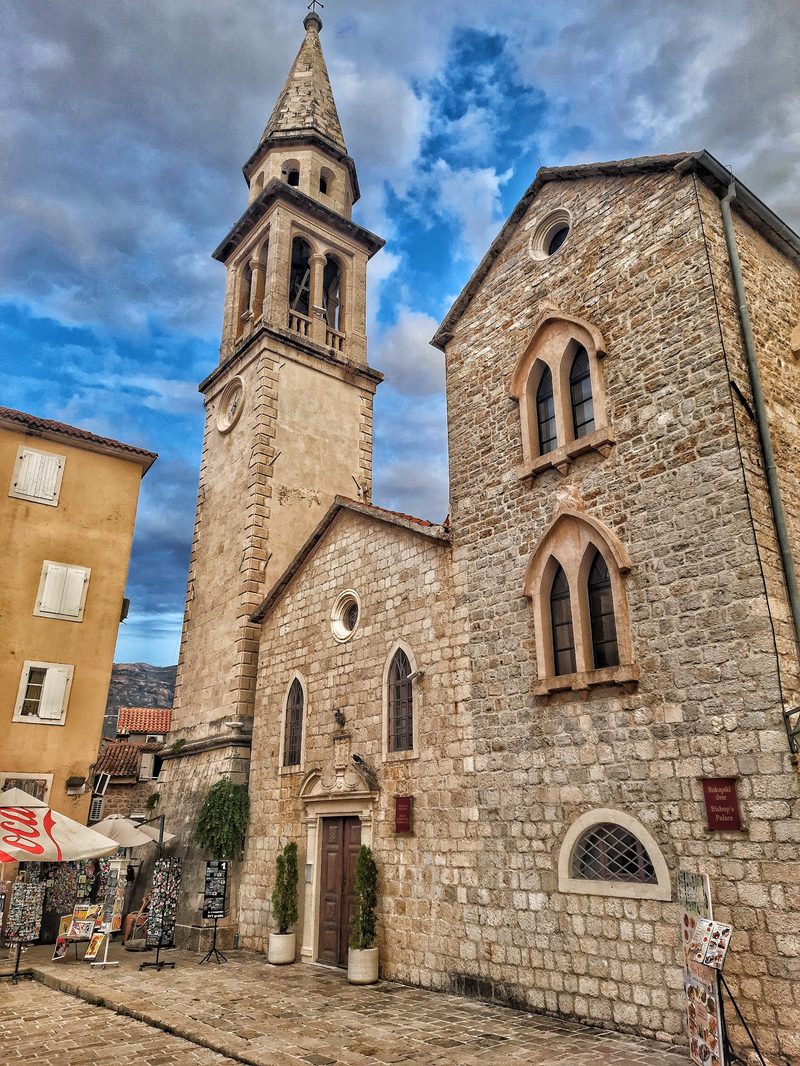
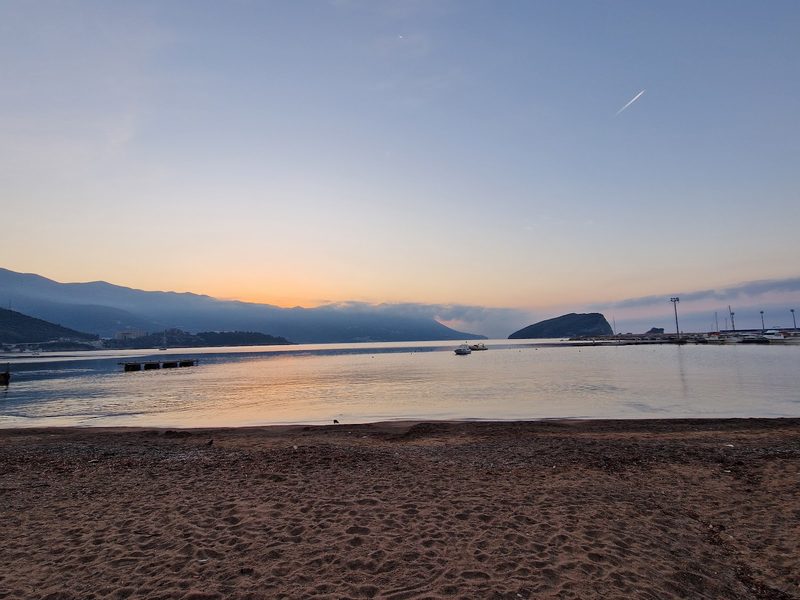
The Old Town (Stari Grad) is the city's historic heart. Venetian-era walls surround the Cathedral of Saint Ivan and the Citadela fortress, linked by narrow stone streets. It suffered severe damage in the 1979 earthquake; old stones used in repairs blend with the original walls, making the two hard to distinguish. Early in the morning, before tourist boats dock, the streets remain quiet; in the evening the bars open and the music starts. Watching sunset over the Adriatic from the walls becomes a daily ritual.
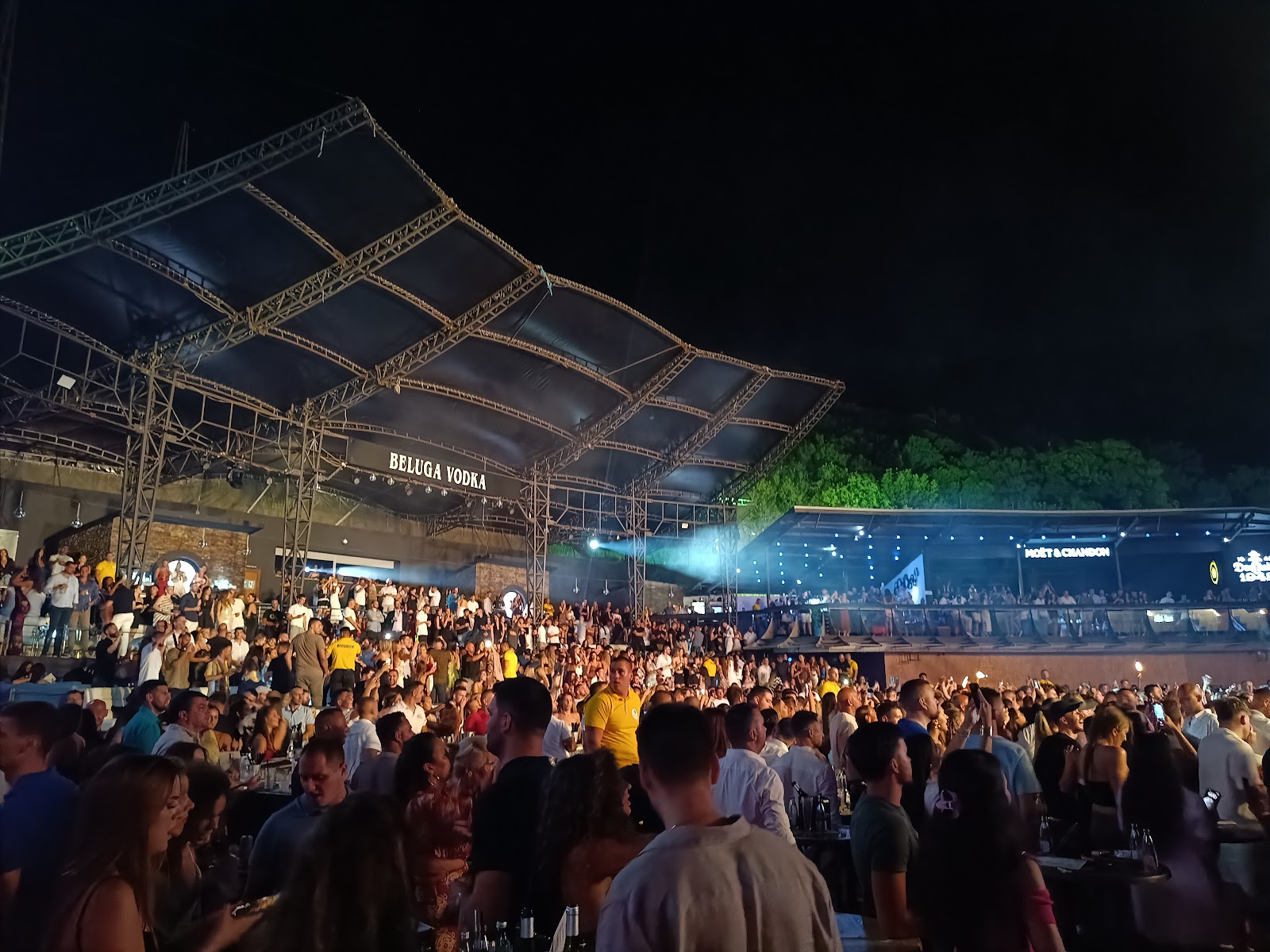
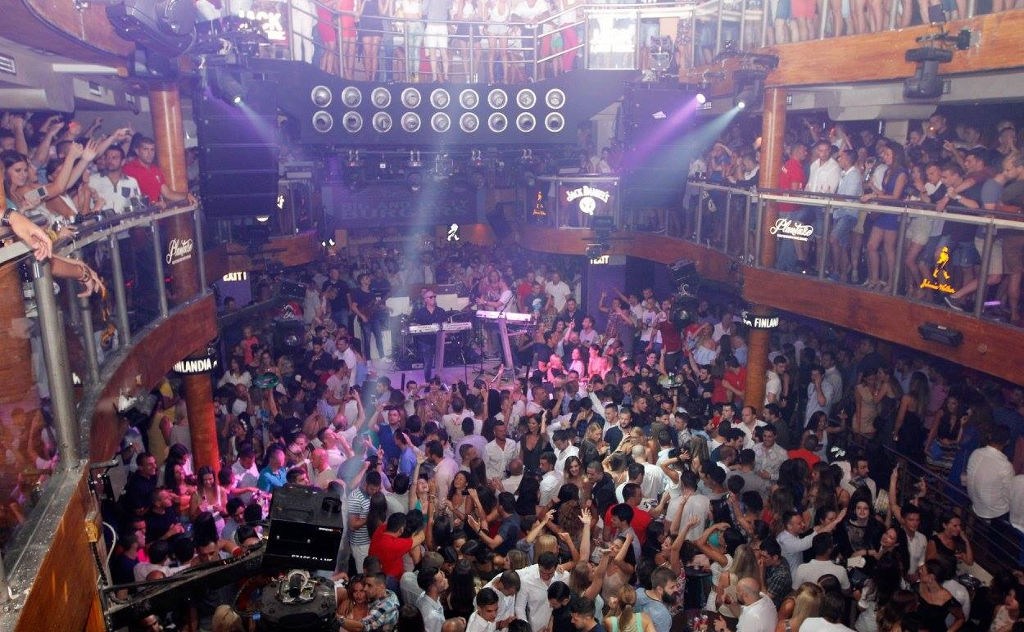
The Sea Dance Festival is a draw in its own right. In early July, the Adriatic edition of the EXIT festival runs for three days on stages set up on Jaz Beach, with world-renowned DJs performing. If you plan to visit then, book tickets and accommodation months ahead. The rest of the nightlife centres on Top Hill: an open-air club for 5,000 people on the hill above Budva, hosting names from David Guetta to Tiësto between May and September.
When to visit
Montenegro has a Mediterranean climate: mild winters and hot, dry summers. Beach season runs from late May to early October.
| Period |
Weather (daytime) |
Sea |
Density |
Notes |
| January-February |
4 / 12° |
13° |
Very Low |
Many hotels and restaurants are closed. Just to see the city and kotor |
| March |
7 / 15° |
14° |
Low |
Spring is opening, the sea is still cold |
| April |
9 / 18° |
16° |
Low-Medium |
Ideal for walking, Lastva Carnival |
| May |
13 / 22° |
18° |
Medium |
The season is starting, you can swim. 21 May Independence Day |
| June |
17 / 27° |
22° |
Medium-High |
Ideal start; The sea has warmed up, the crowd is moderate |
| July |
20 / 30° |
25° |
Very High |
Sea Dance Festival, the most expensive period |
| August |
21 / 31° |
26° |
Very High |
It's peak season, beaches are packed |
| September |
17 / 26° |
24° |
High |
Second best period; The sea is still warm, the crowds are falling |
| October |
13 / 21° |
21° |
Medium |
Season is ending, prices are halved |
| November-December |
8 / 16° |
17° |
Low |
Good for beach walks and day tours |
June or the first half of September offers the best balance. In July and August, hotel prices double, finding space on beaches becomes difficult, and restaurants fill up. Those wanting to catch the Sea Dance Festival deliberately choose this period, but plans should account for it.
Getting there
Budva has no airport of its own. The two nearest options are Tivat (TIV) (22 km) and Podgorica (TGD) (65 km). Tivat's short transfer makes it more practical for a beach holiday.
Flights from Türkiye:
| Exit |
Target |
Duration |
Airline |
| Istanbul (IST) - TIV |
2 hours 5 min |
THY (1-2 flights a day, summer) |
|
| Istanbul (SAW) - TIV |
2 hours 10 min |
Pegasus (seasonal) |
|
| Istanbul (IST) - TGD |
2 hours 20 min |
THY (daily) |
|
| Ankara (ESB) - TGD |
2 hours 45 min |
THY (2-3 times a week, seasonal) |
|
Flights to Tivat increase in summer and become less frequent in winter. Podgorica operates year-round, but the transfer to Budva is longer. Turkish Airlines is the main carrier, while Pegasus adds flights depending on the season. Fares generally range from 250–400 EUR, falling as low as 180 EUR when booked early.
Airport to Budva:
- From Tivat: A 22 km taxi ride takes 30 minutes and costs 25–30 EUR. There is no bus route; shared transfers cost 10–15 EUR via Bolt or by prior arrangement.
- From Podgorica: A taxi for the 65 km journey costs 70–90 EUR. Taking a bus to central Podgorica and changing to a Budva-bound bus (8 EUR, 1.5 hours) takes 3–4 hours in total.
Travelling via Tivat saves time: Budva is a 30-minute taxi ride away, sparing you the added expense and several hours on the road associated with Podgorica.
Montenegro by bus: From Istanbul via Serbia, the bus takes 25–30 hours; the long distance makes flying preferable.
Cruises: Many cruise ships dock at Kotor in summer. Budva has no cruise pier, but its yacht marina is active.
Urban Transportation
Budva is compact: walking from the Old Town to Slovenska obala takes 5 minutes, and to Bečići along the seafront promenade takes 30 minutes. Public transport is rarely needed in the centre.
Walking: The Old Town, beaches and restaurants are 1–2 km apart; walking is sufficient for most routes.
Bus (Mestar Linijski): Regular buses to nearby coastal destinations (Bečići, Sveti Stefan, Petrovac and Kotor) leave from the Slovenska obala bus station. Fares range from 1.5–5 EUR depending on distance.
Taxi/Bolt: Bolt operates in Montenegro and shows the fare in advance. Trips within the city cost 4–8 EUR, while a journey to Sveti Stefan is around 12 EUR. Booking through the app is more reliable than hailing a taxi on the street.
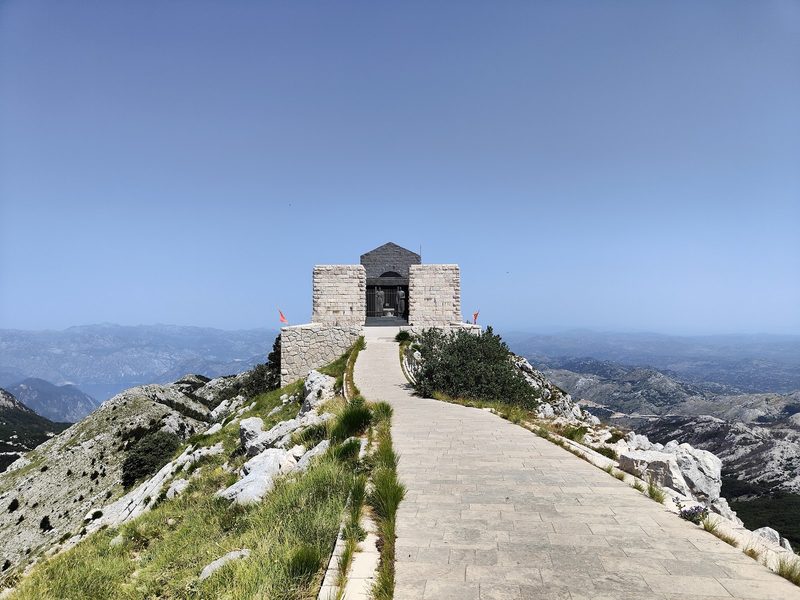
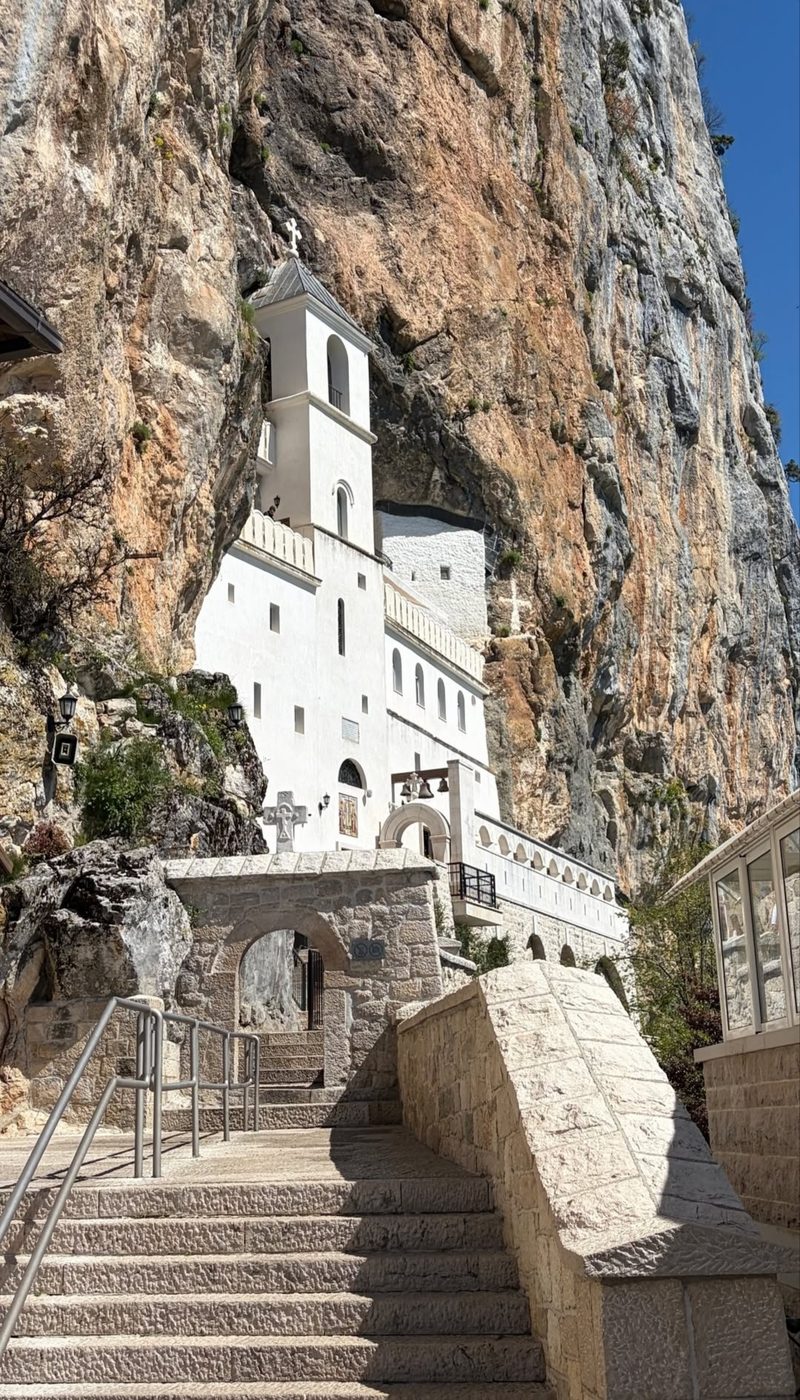
Car hire: A rental car makes it easier to explore Montenegro and its surroundings, offering flexibility for Sveti Stefan, Kotor, Lovćen and Ostrog. Daily rates range from 25–50 EUR depending on season. Full insurance is important because roads are narrow and winding, and local drivers go fast. An international driving permit is not compulsory but is useful to have; a credit card is required.
Water taxis and boat tours: Daily boats to Sveti Stefan, Hawai Island and the Blue Cave leave from Slovenska pier. Half-day or full-day tours cost 20–40 EUR.
Accommodation Regions
Your choice of area largely determines the pace of your holiday.
- Stari Grad (inside the Old Town): Boutique hotels and apartments within the walls, with everything in walking distance. Music continues until morning in summer, making peaceful sleep difficult; unsuitable for noise-sensitive families.
- Slovenska obala (seafront promenade): The main artery of the city centre, lined with beachfront hotels and apartments. Restaurants, shops and nightlife are within walking distance, making it practical for both family and group holidays.
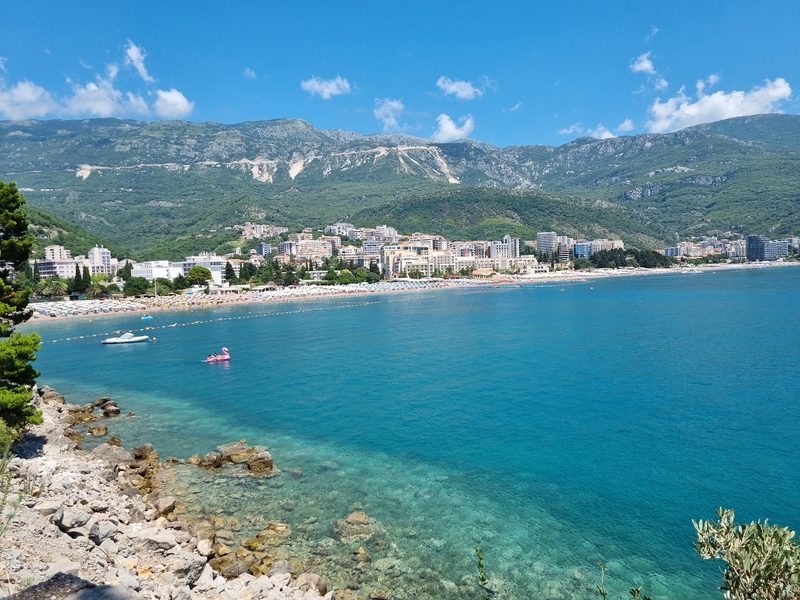
- Bečići: 2 km southeast of Budva, large hotel complexes line the 1.9 km beach. All-inclusive packages are concentrated here, and families seeking a quiet holiday prefer this area. Minibuses and taxis connect it to the city.
- Sveti Stefan / Pržno: The luxury segment is concentrated here; five-star hotels such as Aman Resort, Maestral and Adriatic are 8 km from the city centre. A vehicle is needed for evening outings.
- Petrovac: 17 km to the south, with lower prices and a more local atmosphere. Its beaches are small but suit families looking for a peaceful holiday.
Around Top Hill, music makes sleeping difficult at night; the airport area towards Tivat is far from central Budva and has poor beach connections. Neither is a first-choice location.
Budget Plan
Montenegro occupies a mid-range position on the Adriatic: a little cheaper than Croatia and a little more expensive than Albania. In summer, prices approach those of Europe's popular Riviera destinations.
| Budget Style |
Accommodation |
Food |
Activity/Transportation |
Total (2 people/4 days) |
| Economic (apart/3* hotel, market + 2 restaurants) |
200 EUR |
150 EUR |
80 EUR |
~430 EUR |
| Moderate (4* hotels, beach restaurants) |
480 EUR |
280 EUR |
150 EUR |
~910 EUR |
| Comfort (4-5* hotels, fish restaurants, rental car) |
900 EUR |
450 EUR |
250 EUR |
~1.600 EUR |
| Luxury (Aman Sveti Stefan, fine dining, private boat) |
3.500 EUR+ |
800 EUR+ |
500 EUR |
~4,800 EUR+ |
Practical items: Espresso 1.5-2.5 EUR, local beer (Nikšićko) 2-4 EUR, cocktail 6-12 EUR, homemade pizza 8-14 EUR, fresh fish (kilo) 30-60 EUR, octopus salad 12-18 EUR, sun lounger (day) 10-25 EUR, Bolt taxi 4-8 within the city EUR, bus to Kotor 4 EUR, water (half a liter from the market) 0.6 EUR.
Seasonal increases: July–August hotel prices are 50–100% higher than in June. During Sea Dance week, finding a hotel at all becomes difficult.
Practical Tips
Money: Although not an EU member, Montenegro uses the euro as its official currency, a unilateral arrangement that causes no everyday problems. Card payment is common; cash is needed only at small kiosks and market stalls.
Water: Tap water is drinkable, so there is no need for bottled water.
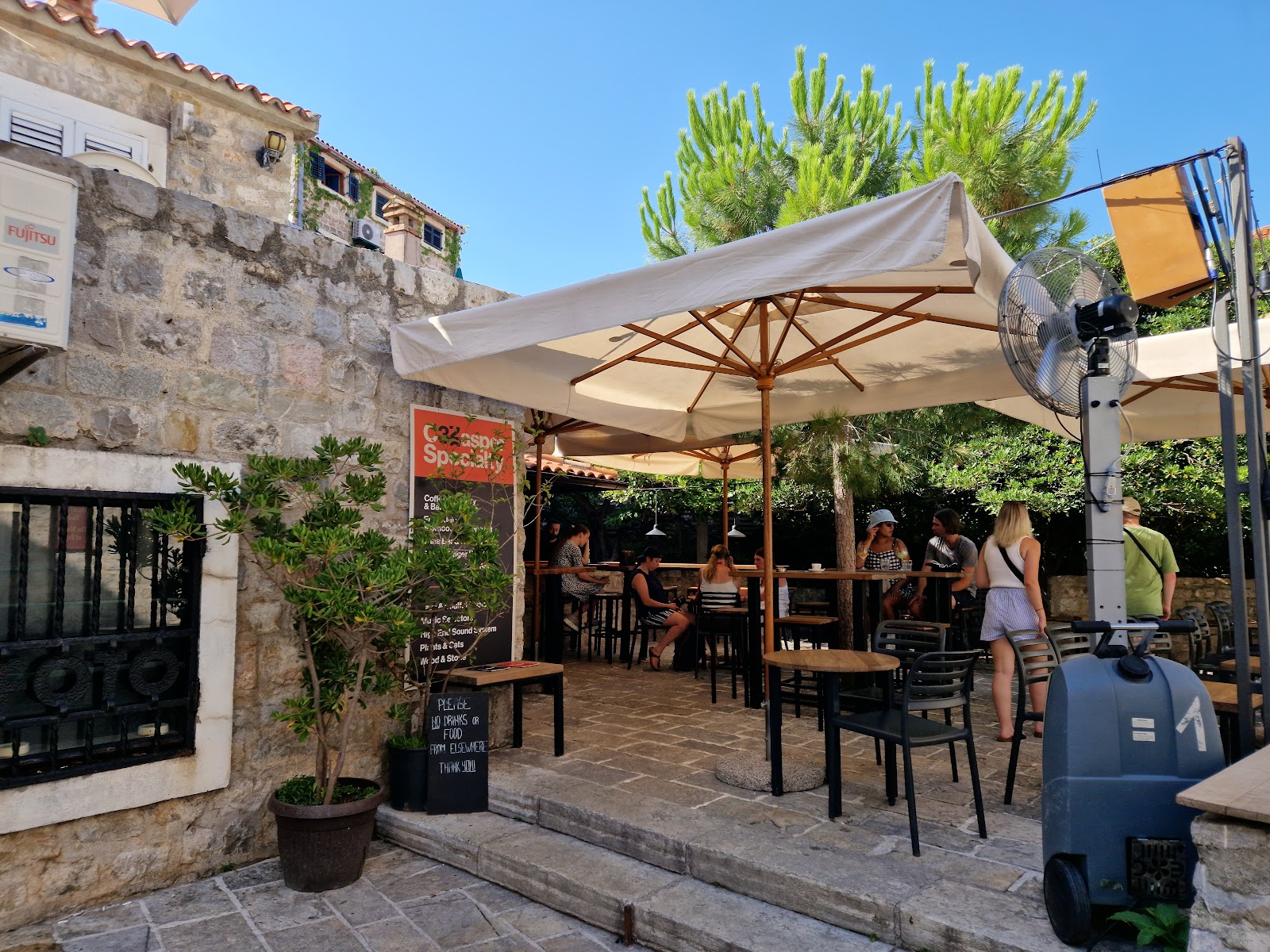
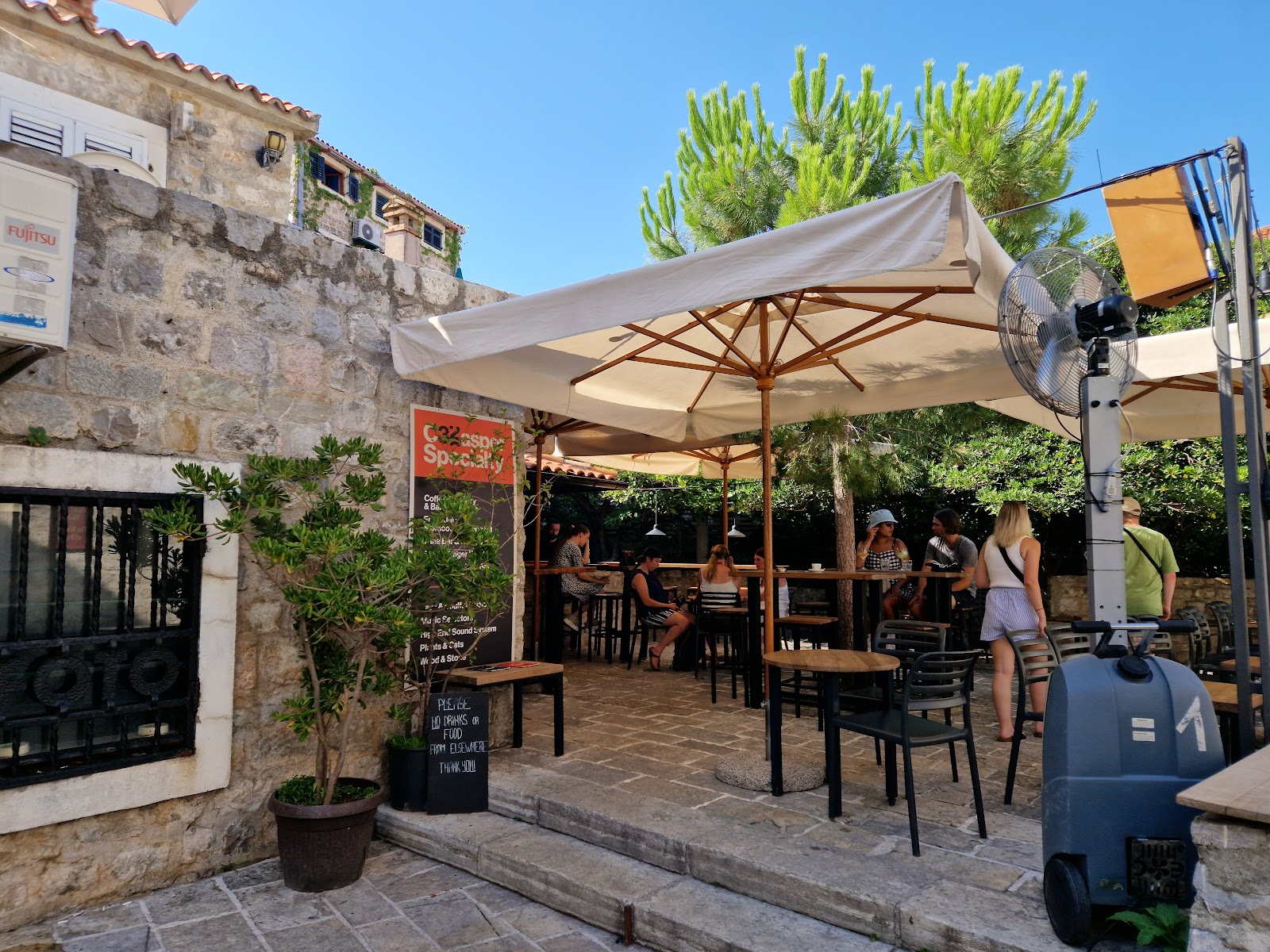
Turkish presence: Turkish visitor numbers are high in summer. Some hotel staff speak Turkish, and some menus are printed in Turkish. Places such as Casper serve kebab and baklava.
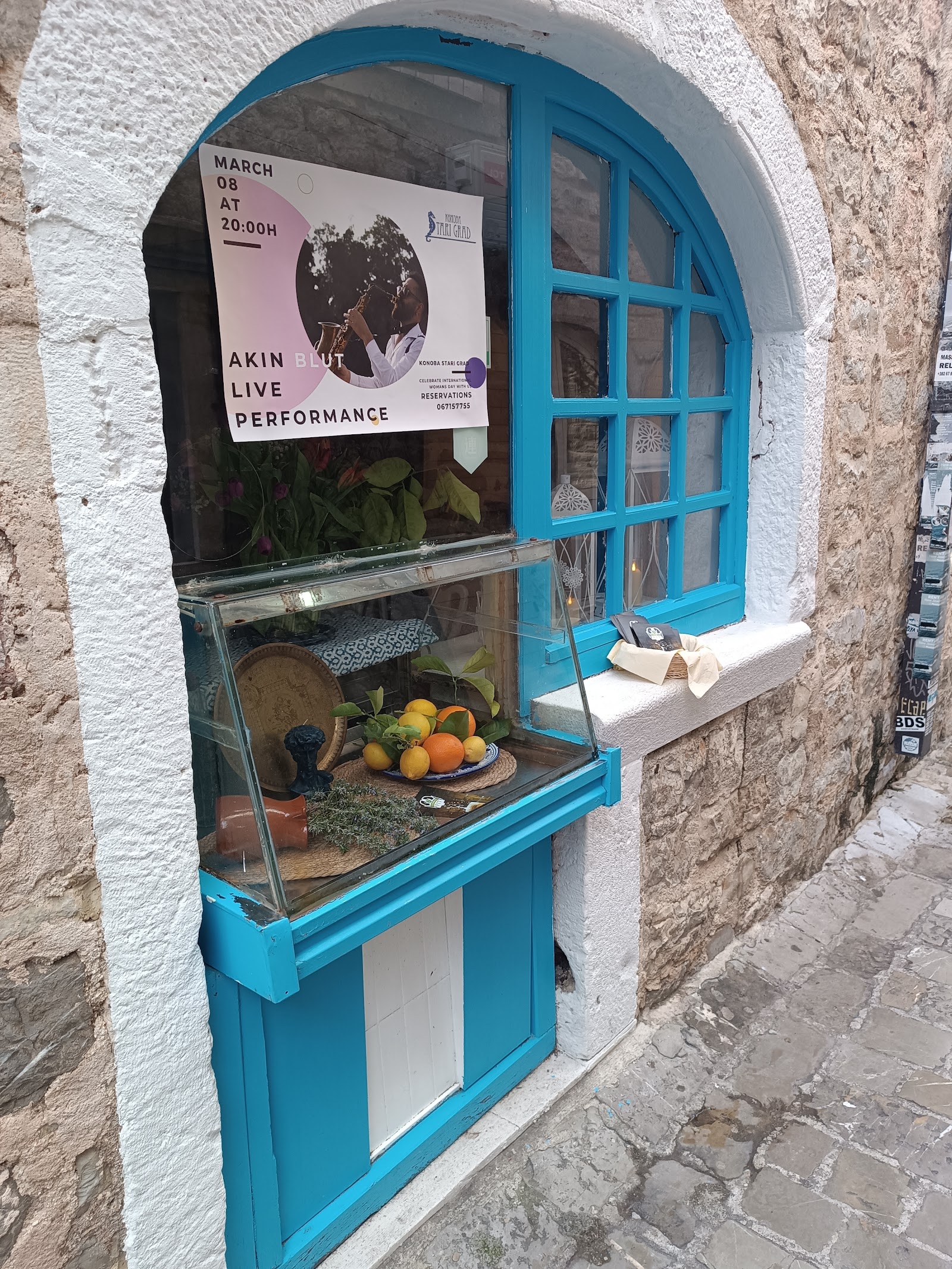
Old Town restaurant traps: Most restaurants on Stari Grad's squares with large menus and hosts calling customers in use frozen fish and ready-made sauces, while charging high prices. Family businesses in narrow streets, such as Konoba Stari Grad, charge similar prices but deliver different flavours.
Fish pricing: Coastal restaurants price fish by the kilo. Ask the price per kilo and have the fish weighed before ordering; a 100-gram difference can noticeably change the bill. An 800-gram grouper at Konoba Stari Grad costs around 60 EUR.
Sea Dance period: In the first week of July, finding somewhere without a reservation becomes almost impossible. Families planning these dates should choose a different period, while festival visitors should book tickets and hotels as early as February–March.
Getting back from Top Hill: After 03:00, finding a Bolt on the hill road becomes difficult. Groups should arrange a return taxi in advance.
Beach types: Montenegro's coast is mostly coarse pebbles, with sandy beaches rare (Velika Plaža and Sutomore are exceptions). Aqua shoes help when walking on pebbles; renting a sun lounger rather than using a beach towel is standard here.
Kotor's bends: The Budva–Kotor road is winding; anyone prone to motion sickness should sit in front and avoid heavy food during the hour before setting off.
Wi-Fi and mobile: Most hotels offer free Wi-Fi. For SIM cards, M:tel and Telenor offer 30-day data packages for 10–15 EUR. Montenegro is not an EU member, so EU roaming discounts do not apply, and Turkish mobile plans are generally expensive to use here.
Travel Guide with Children
A short flight, broad beaches and a compact city centre make Budva suitable for families with children.
Recommendations by Age Group
Ages 0–3: Bečići Beach's flat 1.9 km promenade is easy with a pushchair. Its mix of sand and pebbles is more comfortable for babies than Mogren's coarse pebbles. The Slovenska obala promenade is also flat and paved.
Ages 4–7: Aquapark Budva opens in summer with slides and pools. A boat trip to Sveti Nikola Island offers a small adventure. The Old Town's narrow streets lend themselves to a "we're looking for a castle" game, while the Citadela ramparts are both safe and exciting.
Ages 8–12: Water sports such as banana boats and inflatable ring rides are popular at this age. Climbing halfway up Kotor's walls is a reasonable goal. Lovćen's 461 steps are tiring, but counting them turns the climb into a game. Mogren is a good spot for watching fish through a snorkelling mask.
Ages 13+: Sveti Stefan Belvedere appeals to teenagers interested in photography. Top Hill's open-air cinema operates on some nights. Central Budva has mini-golf and escape-room options; beach sports such as volleyball and paddle sports also suit this group.
Top 5 Kid-Friendly Activities
Bečići Beach — The sea deepens gradually, the sandy area is broad, and facilities line the shore.
Aquapark Budva — More than 15 slides, a children's pool and a food area are available in summer.
Sveti Nikola Island boat trip — A 30-minute boat ride to the island opposite Budva, followed by swimming and picnic opportunities.
Old Town castle game — A "knight" theme works well around the Citadela and walls, with Saint Ivan Cathedral's bells adding to the atmosphere.
Kotor day trip — A tour of cat statues (Kotor is known for its cats), Saint Tryphon Cathedral and a small-boat trip to Perast appeal to children.
Practical Information
- Pushchairs: The Old Town's stone paving is difficult for small wheels. The Slovenska and Bečići promenades are flat and straightforward.
- Children's menus: Most restaurants offer children's portions; pizza, pasta and grilled chicken are common choices. Children enjoy "kaymak", the creamy dairy product found in Montenegrin cuisine.
- Children's ticket discounts: Children under 6 travel free on buses and enter most museums free.
- Toilets: Paid at beaches (50 cents–1 EUR), and free for customers at some Old Town cafés.
- Healthcare: Emergency number: 112. Budva has a public hospital and private clinics.
Warnings
- Sea urchins are common on the Adriatic's rocky shores; aqua shoes reduce the risk.
- Top Hill and nightclubs are unsuitable for children; planning daytime activities and spending the night at the hotel is more practical.
- Temperatures exceed 30°C in July–August; avoid direct sunlight between 11:00 and 16:00 and use a beach umbrella.
- As Sveti Stefan island is closed to tourist entry, telling children in advance prevents disappointment.
Local Label and Culture Notes
"Polako" (slowly) is one of Montenegrins' most frequently used everyday words, and things move at that pace. Despite the historical background dating to the Ottoman era, attitudes towards Turks are positive today.
Greetings: "Dobar dan" (good day), "Hvala" (thank you) and "Molim" (please / you're welcome) feature often in daily conversation. A handshake is the standard greeting; close acquaintances follow the Serbian-Montenegrin tradition of three kisses.
Restaurant etiquette: Wait at the entrance for a waiter to show you to a table. Some restaurants charge for the bread (hleba) placed on the table, so check the bill. When finished, lay your knife and fork parallel on your plate.
Tipping: 10% is considered standard in restaurants and is not included in the bill. Rounding up is enough for taxis; hotel porters are given 1–2 EUR.
Language: Montenegrin is very close to Serbian. Latin and Cyrillic alphabets are used side by side, with Latin more visible in tourist areas. English is common among younger people, while Russian or Italian is more useful with older generations.
Religion and places of worship: Orthodox Christianity is the predominant faith. Shoulders and knees must be covered when entering monasteries such as Ostrog and Praskvica; a shawl covering the shoulders is sufficient for women. Standard Muslim-country dress rules apply in mosques.
Rakija culture: Montenegro's national drink, rakija, is a fruit brandy made from grapes, plums or quince, served at around 40–50% alcohol. It is offered as an aperitif before meals; declining is not considered rude, but accepting takes the conversation a step further.
Pace of service: Montenegrins allow 2–3 hours for a meal, so service is unhurried. The bill does not arrive automatically; you need to ask for it.
FAQ
Is a visa required for Budva with a Turkish passport?
Turkish ordinary burgundy passport holders require a visa. A 30-day entry exemption may apply with documents specified by the official source, such as a valid Schengen visa or a visa/residence permit for Australia, Japan, Canada, New Zealand, Ireland, the USA or the United Kingdom. Confirm the scope of your document before travelling. Turkish diplomatic, special and service passport holders are visa-exempt for up to 90 days. The same exemption does not apply to ordinary burgundy passports.
How many days to visit Budva?
The city itself, including the Old Town, beaches and a Sveti Stefan photo stop, takes 2–3 days to explore. Nearby day trips extend the total: Kotor (half to a full day), Lovćen (half a day), Ostrog (a full day), and Petrovac or Ulcinj (half a day). Planning 5–7 days in total is enough; add 3 days if including Sea Dance.
Is Euro used in Montenegro, which currency should I bring?
Although not an EU member, Montenegro unilaterally uses the euro; even though it is not the official currency, it is accepted everywhere. There is no need to exchange forints, kuna or lira. You can bring euro cash from Türkiye or withdraw it from ATMs at the bank's exchange rate. Card payment is common, with cash needed only at small kiosks and markets.
Which beach is best: Mogren, Jaz or Becici?
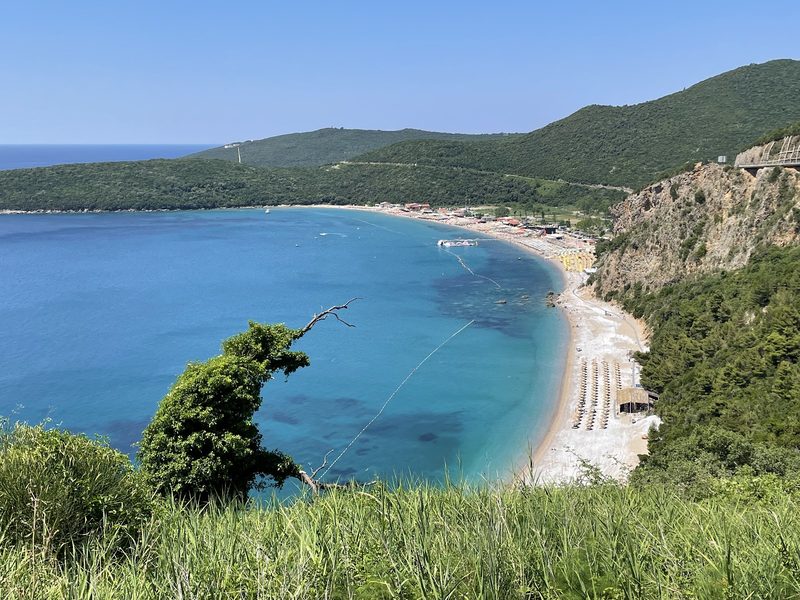
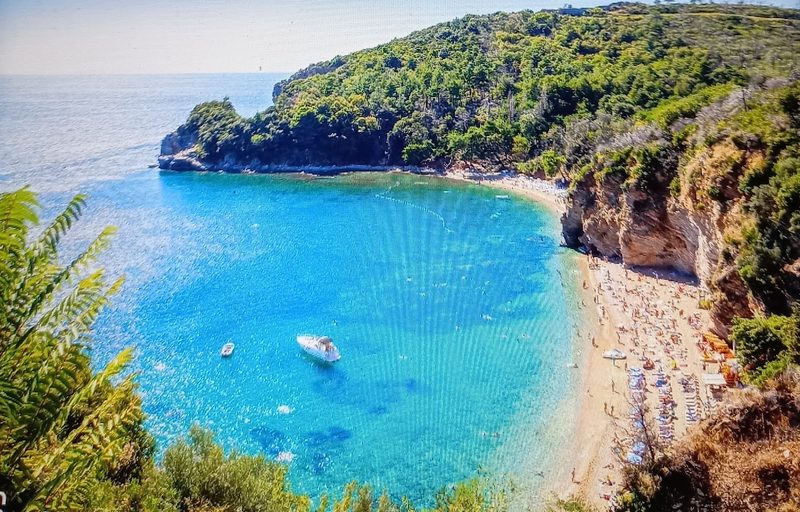
The three serve different purposes. Mogren is beside the Old Town, small and reachable on foot. Jaz is broad and sandy, attracting party and festival crowds as the Sea Dance venue. Bečići, with its 1.9 km sand-and-pebble beach and seafront hotels, welcomes families. Those staying longer than five days can see all three, as they are not far apart.
Is it possible to take a Kotor daily tour?
Yes, it takes 40 minutes by bus (4 EUR) or 35 minutes by car. The UNESCO-listed Old Town, a climb up the walls and fjord views can be seen in half a day, though a full day makes the programme more relaxed. Adding Perast and Gospa od Škrpjela makes the trip more rewarding.
Which restaurant should I choose in the Old Town?
Large venues on Stari Grad's squares with extensive multilingual menus generally use frozen fish and ready-made sauces. Konoba Stari Grad (in a narrow street, with sea views), Casper Restaurant (Montenegrin-Turkish fusion) and small family konobas on the outer streets are more reliable choices. Avoiding places where hosts call customers in from outside is a useful general rule.
How to get to Sea Dance Festival?
It takes place on Jaz Beach in early July. Full festival passes cost 80–120 EUR and day tickets 40–60 EUR. There is a campsite (35–50 EUR per night), but comfort is limited; staying in a city hotel and travelling by taxi is an alternative. Music continues until 04:00. Book tickets and hotels by February–March at the latest.
Is Budva safe?
It is considered safe by European standards, and walking alone at night is possible. Pickpocketing can occur in tourist areas such as Slovenska and the Old Town, so keep your bag in front and take care when leaving belongings on the beach. For taxis, Bolt is more reliable than hailing one on the street.
Is Turkish food available in Budva?
Casper Restaurant serves kebab, börek and baklava. Some small Old Town shops sell Turkish delight and Turkish coffee, and supermarkets also carry Turkish brands. Turkish-speaking hotel staff are common, especially in summer.
How to get to Sveti Stefan from Budva?
Minibuses towards Petrovac leave from Slovenska bus station (1.5 EUR, 15 minutes); a Bolt taxi costs 12–15 EUR. The minibus drops you at Belvedere, where the island view is visible. As island access is limited to hotel guests, photographing it from the opposite hill is sufficient. Nearby Miločer and Sveti Stefan beaches are open to the public, with sun loungers available for a fee.