About
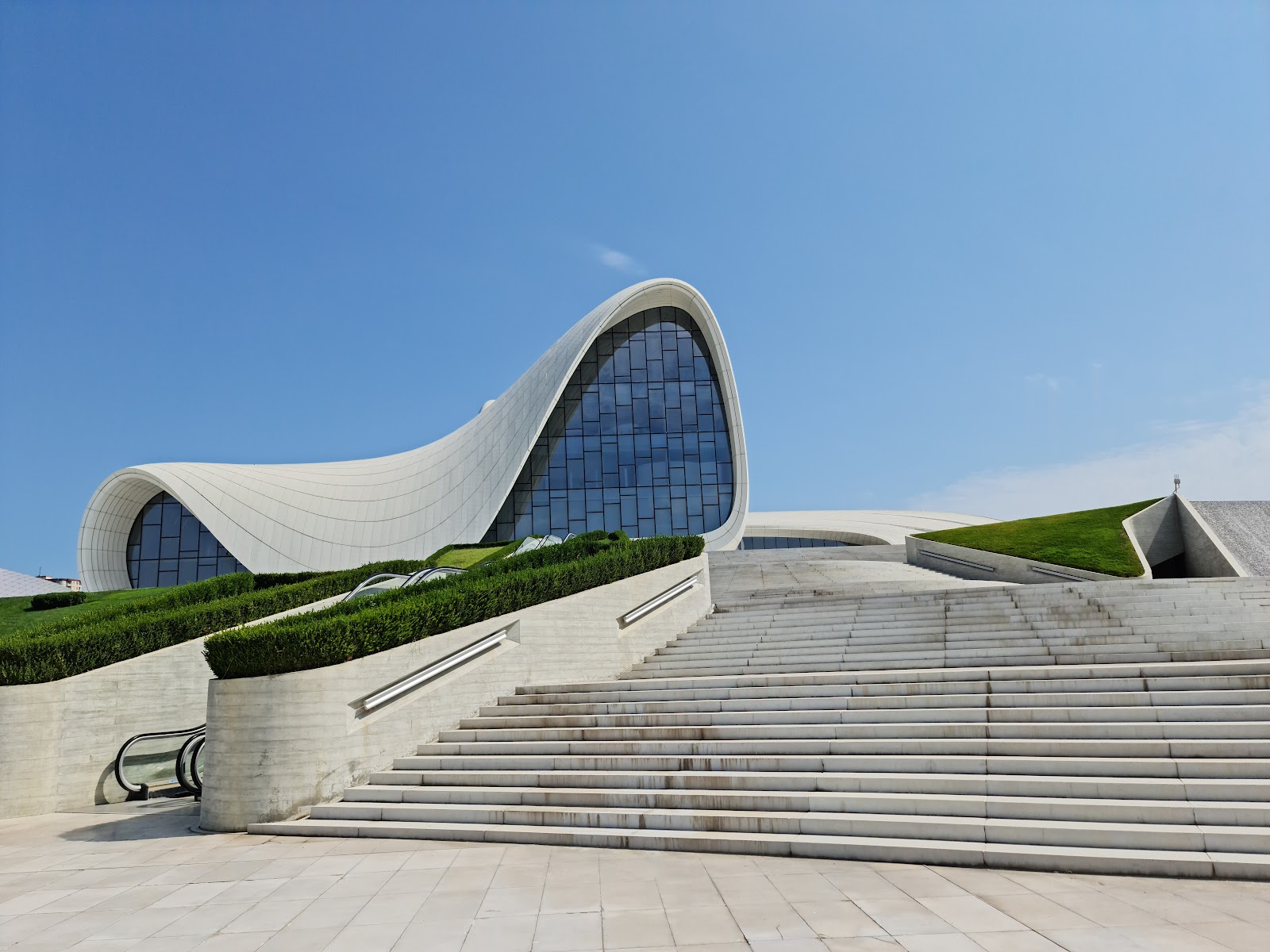
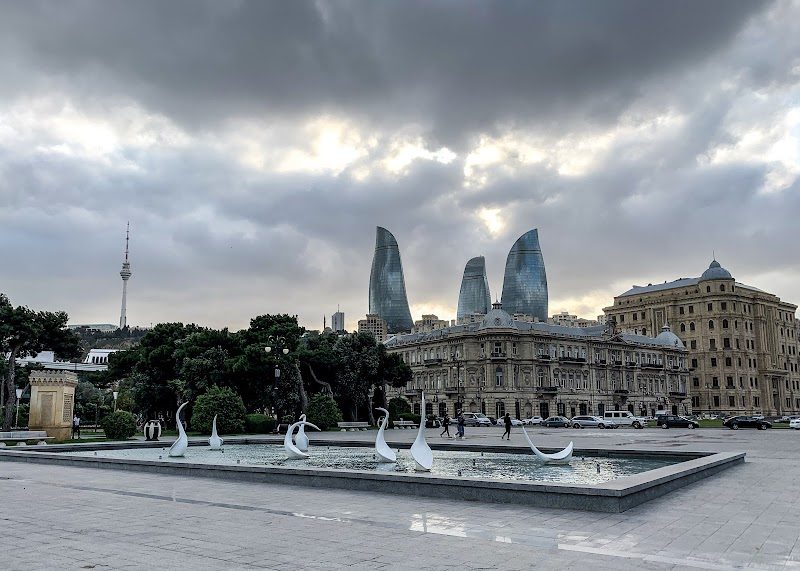
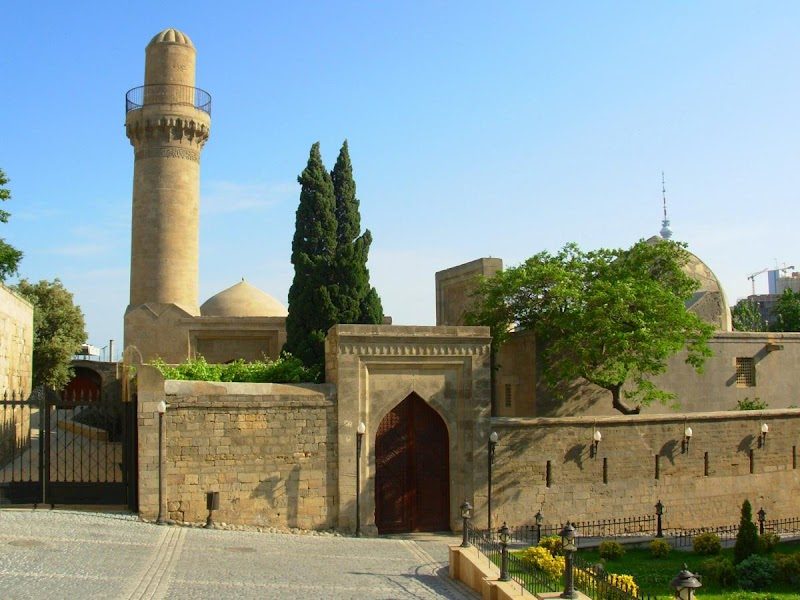
Baku, Azerbaijan's capital on the Caspian Sea, is a city where the wind almost never stops. Turkish travellers understand about half the language, recognise dolma and kebabs and notice familiar tea customs. Then they turn to find a Zaha Hadid building beside medieval stone walls, flames rising from the ground, and a ‘sea’ that is actually the world's largest lake.
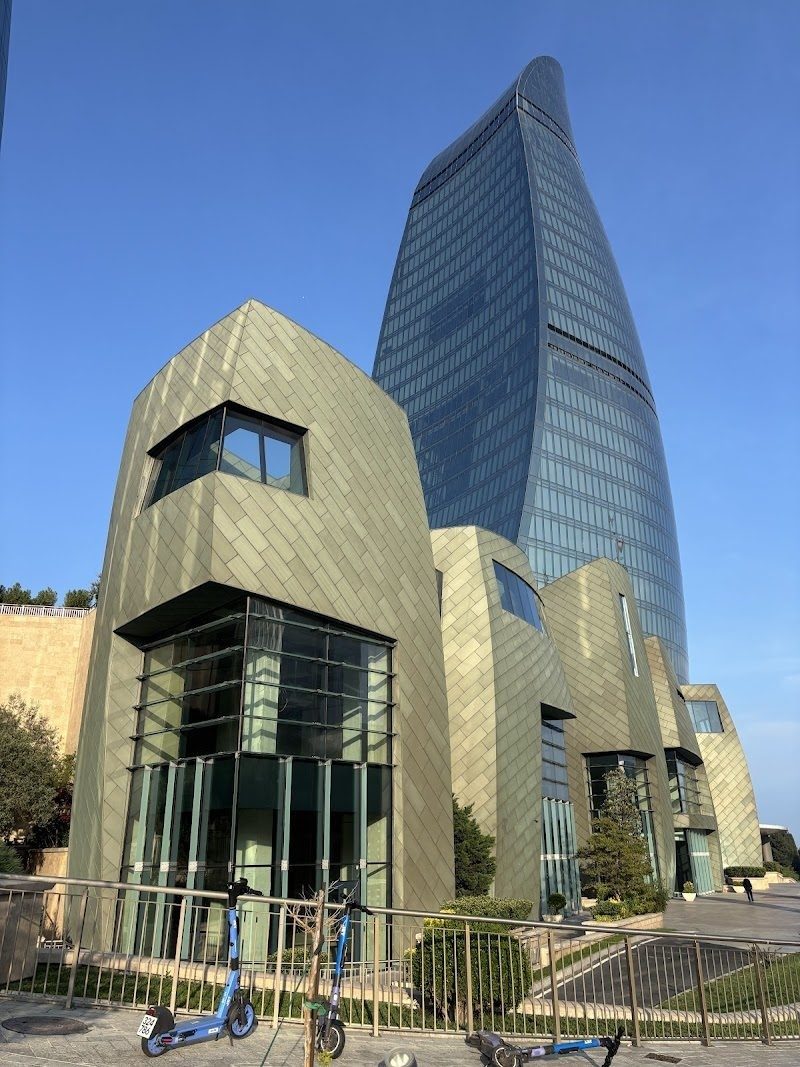
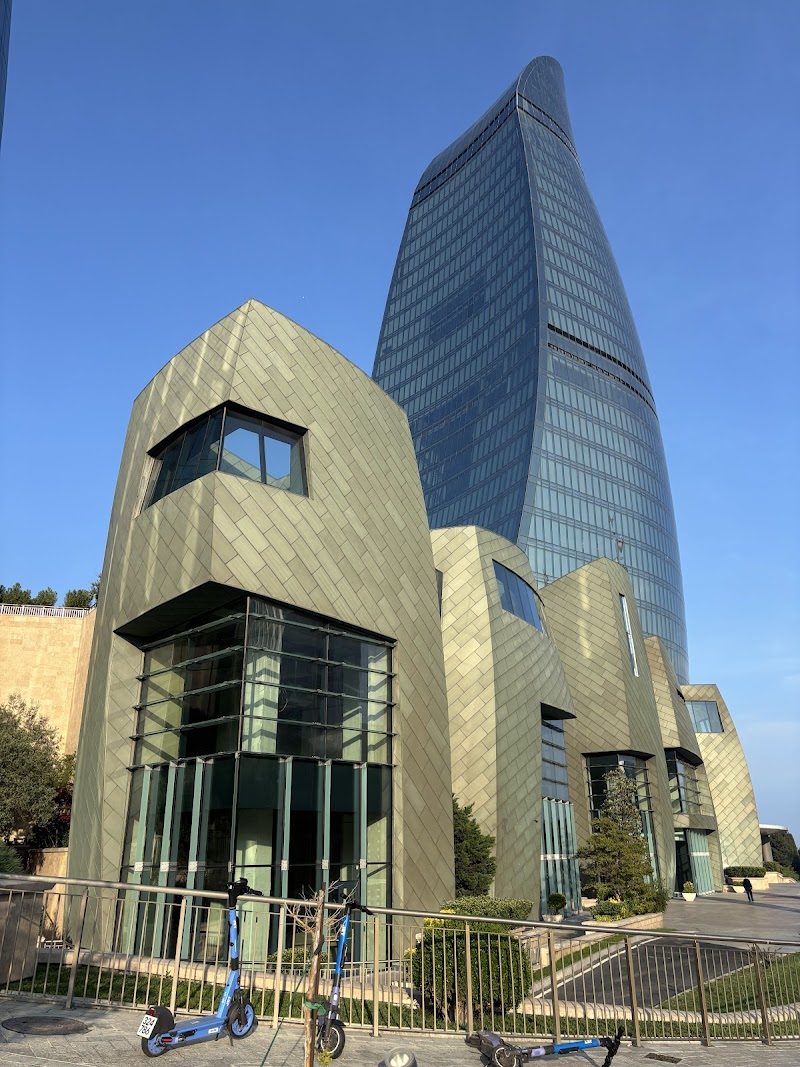
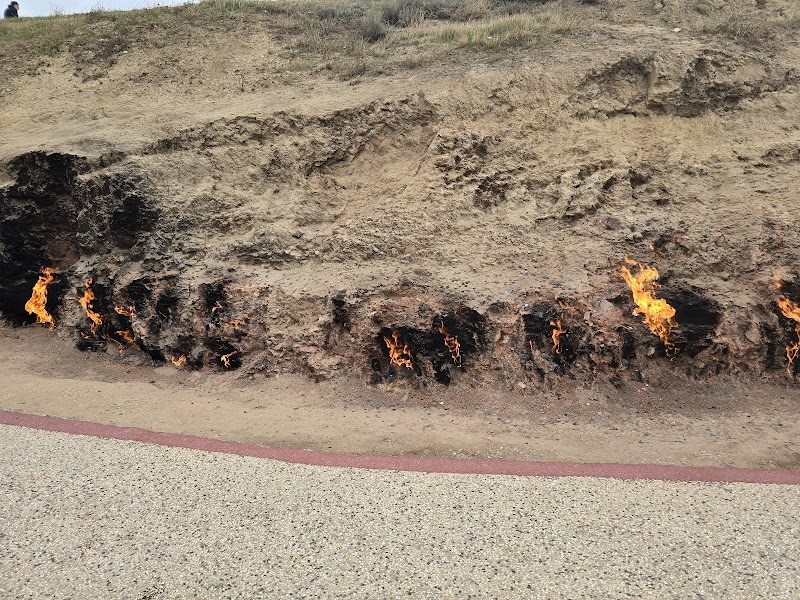
Azerbaijan's name ‘Land of Fire’ (Odlar Yurdu) has a tangible basis: natural gas seeping from the earth has burned spontaneously at some sites for thousands of years. Flames considered sacred by Zoroastrians have entered the city's visual language, from the symbol on the flag to the Flame Towers' light show.
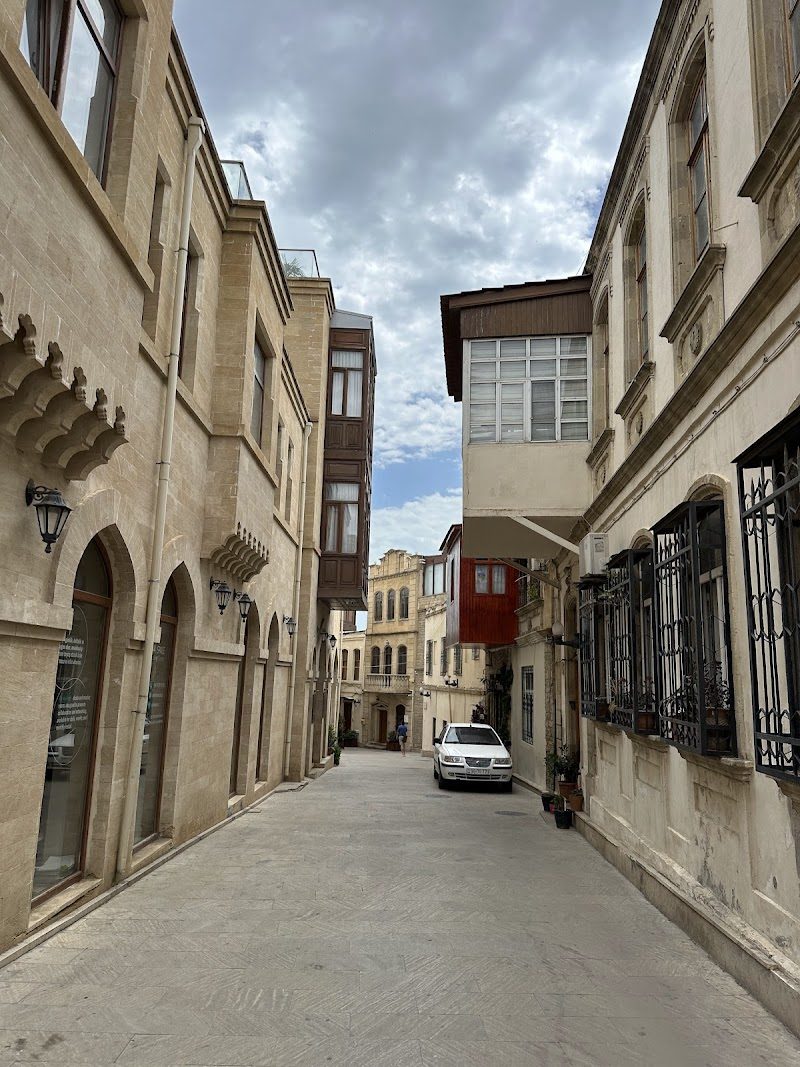
Around 2.3 million people live here, almost a quarter of the country's population. Oil and gas revenues have transformed the city over the past 20 years: Soviet buildings have been restored, skyscrapers built and infrastructure renewed. Yet tea-selling shopkeepers still hold their ground in Icherisheher's narrow streets.
When to visit
In the semi-arid climate of the Caspian coast, Baku is windy enough to earn its ‘City of Winds’ nickname. The winter ‘Khazri’ wind hits hard:
- April–June (Spring/Early Summer): Temperatures are 18-28°C, parks bloom and the sea warms slowly. Novruz (late March) falls just before this period, with lively celebrations.
- September–October (Autumn): Summer heat has passed and temperatures hover around 20-25°C. The sea remains warm enough for swimming, while crowds and prices fall.
- July–August (Summer): Temperatures reach 35-40°C and humidity becomes oppressive. Good for swimming, but city sightseeing is tiring.
- November–March (Winter): Temperatures range from 3-10°C, winds are strong and rain is frequent. Hotel prices fall in return, and winter lighting gives the city a different look. Activity increases around Novruz (March).
Getting there
By air: Baku's Heydar Aliyev International Airport (GYD) is 25 km from the centre. Turkish Airlines, Pegasus and AZAL (Azerbaijan Airlines) fly direct from Istanbul Airport (IST) and Sabiha Gökçen (SAW); flights take 3-3.5 hours. Turkish Airlines also operates direct flights from Ankara Esenboğa. Fares vary from 120-250 EUR by season.
Airport–City center transportation (GYD):
| Option |
Duration |
Cost |
Note |
| H1 Express Bus |
40-50 min |
1.3 AZN |
Up to the Sahil metro station. BakıKart is required. |
| Taxi (official) |
25-35 min |
25-35 AZN |
Metered taxis at the airport exit. Don't bargain, turn on the taximeter. |
| Bolt/Uber |
25-35 min |
15-25 AZN |
Bolt is very common and cheaper in Baku. |
| Hotel transfer |
25-35 min |
30-50 AZN |
It needs to be arranged in advance. |
Urban Transportation
Central Baku is compact: Icherisheher, the Boulevard, Fountains Square and Nizami Street can be explored on foot. To travel farther:
- Baku Metro: A Soviet-era system with marble and chandelier-adorned stations. Each ride costs 0.4 AZN. Station names are Azerbaijani but easy to follow on a map. BakıKart (2 AZN, sold at metro stations) works on the metro, buses and trams.
- Bolt / Uber: City journeys cost around 5-10 AZN. They are also used to reach outlying sights such as Yanar Dag or Ateshgah.
- Taxis: Official taxis are violet (purple). Using the meter is standard; bargaining is unnecessary. Apart from airport trips, city journeys usually cost 5-15 AZN.
- Buses: At 0.4 AZN, the cheapest option, but routes are complicated; BakıKart is required.
Accommodation Regions
Baku's tourist area is compact, so choosing a neighborhood is relatively straightforward:
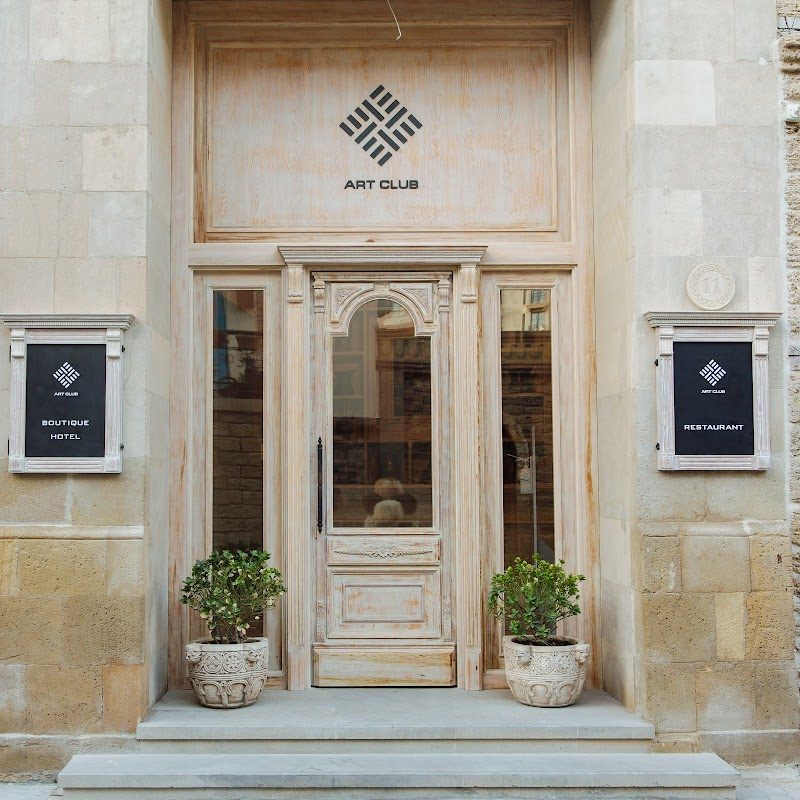
- Icherisheher and Surroundings: Boutique hotels cluster inside or just outside the historic walls. Nights are quiet, but wheeling luggage along stone streets is difficult. Most hotels have 2-4 stars.
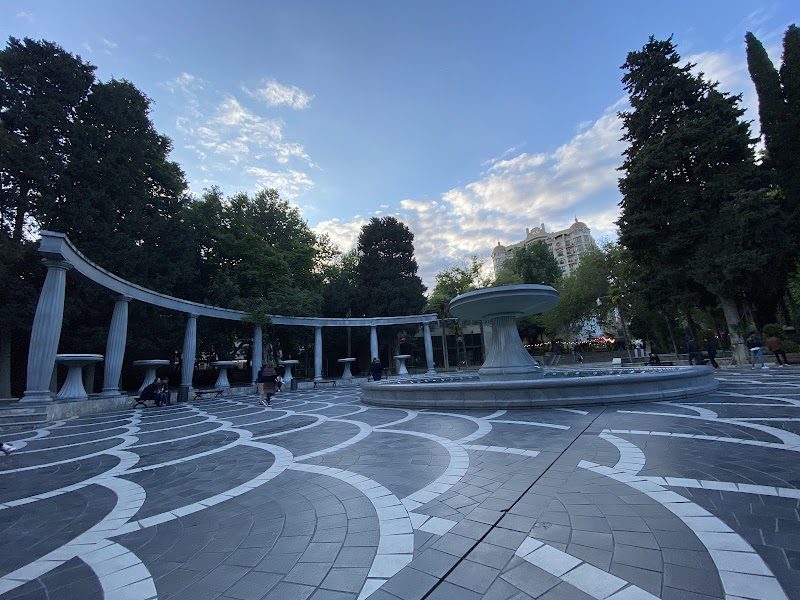
- Fountains Square / Nizami Street: The city's most central, lively area, within walking distance of restaurants, bars and shopping. Hotels cover every budget; a practical choice for first-time visitors.
- Seafront (Boulevard) Area: Sea-view hotels cluster here, including JW Marriott, Hilton and Four Seasons. Prices rise with the location and view.
- Around 28 May Square: Mainly budget-friendly hotels near the railway and metro stations. A 10-minute walk from the city centre.
Budget Plan (3 days, per person, USD)
| Category |
Backpacker |
Medium |
Luxury |
| Accommodation (2 nights) |
30-50 (Hostel/Budget hotel) |
80-150 (3-4 stars) |
300+ (Four Seasons / JW Marriott) |
| Transportation (Metro & Taxi) |
8 (BakıKart + Metro) |
25 (Bolt & Taxi) |
60 (Private vehicle) |
| Food |
20-30 (Qutab & Street) |
60-100 (Restaurants) |
200+ (Fisincan & Fine Dining) |
| Entrance Tickets |
15 (Maiden's Tower + Palace) |
35 (Museums + Ateshgah) |
60 (All museums + Guide) |
| Entertainment / Shopping |
15 |
40 |
150+ |
| Total (3 days) |
88-138 |
240-350 |
**770++ |
Overall costs are roughly half those of European cities; the biggest differences are in food and transport.
Practical Tips
- The currency is the manat (AZN). 1 AZN is approximately 9-10 TRY or 0.55 USD (as of 2026). Cards are widely accepted, but small shops and markets require cash. ATMs are everywhere; Visa and Mastercard work smoothly.
- There is almost no language barrier for Turkish speakers. Azerbaijani and Turkish are mutually intelligible to a considerable extent. Older people understand Turkish readily thanks to Turkish series; younger people also speak English. Opening with ‘Qardaş’ (‘brother’) makes conversation easier.
- Get a BakıKart. Available at metro stations for 2 AZN, it works on buses, the metro and trams. Each ride costs 0.4 AZN; you cannot use public transport without it.
- Download Bolt. Uber also operates, but Bolt is more common and cheaper. City journeys cost 5-10 AZN and airport trips 15-20 AZN.
- Be prepared for wind. The ‘City of Winds’ nickname is a real warning. Winds are strong along the Boulevard and around the Flame Towers; a cardigan or windbreaker in your bag is useful.
- Carry a water bottle. Tap water is drinkable but has a strong taste; bottled water is sold everywhere for 0.5-1 AZN.
- Take care with photography. Photographing military facilities, police stations and some government buildings is prohibited; signs indicate the restrictions.
- Accept an offer of tea. Offering tea is a courtesy in Azerbaijan, and refusing is considered rude. Served in slender-waisted armudu glasses, tea usually comes unsweetened, with jam or lemon alongside.
Travel Guide with Children
Baku works well for families with children: roads are relatively safe, Azerbaijani culture is welcoming towards children, and prices are manageable for a family budget.
Recommendations by Age Group
Ages 0-3: Baku Boulevard's wide, flat paths are easy with a pushchair. The small waterfront amusement park and gondola rides also entertain this age group. Icherisheher's stone streets are difficult with a pushchair; a front or backpack carrier is more practical.
Ages 4-7: The Boulevard's small amusement park and Ferris wheels are sized for this age. Gobustan museum's interactive section draws interest, while Yanar Dag's real flames are an immediate surprise.
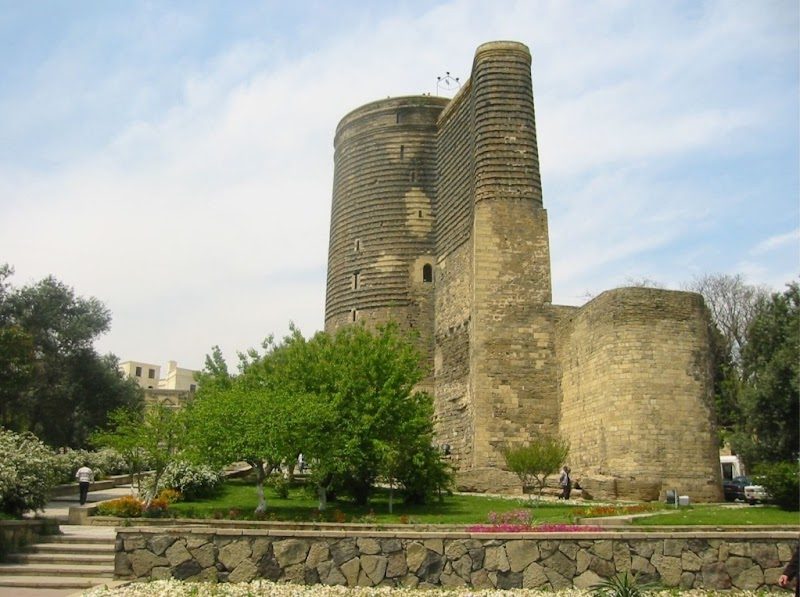
Ages 8-12: Climbing Maiden Tower and finding hidden courtyards in Icherisheher becomes a discovery game. Gobustan's mud volcanoes also appeal to this group. The Heydar Aliyev Centre's wavy form prompts plenty of questions.
Ages 13+: Following the Formula 1 circuit on foot (marked even outside race periods), the Flame Towers' night-time light show and cafés around Fountains Square appeal to this age group.
Top 5 Kid-Friendly Activities
Baku Boulevard and Mini Amusement Park — Waterfront bike hire, gondola rides, a Ferris wheel and ice cream; suitable for all ages.
Icherisheher Discovery Walk — A game of getting lost in narrow lanes, climbing Maiden Tower and spending time with street cats; works for ages 4 and up.
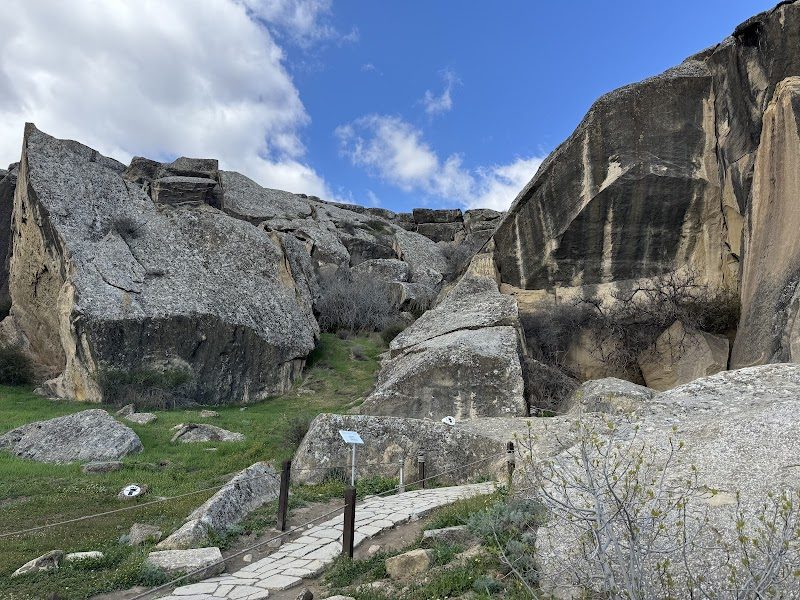
Gobustan Rock Art — Seeing 40,000-year-old rock carvings sparks children's curiosity, supported by the museum's interactive section.
Yanar Dag — Seeing flames that really never go out brings plenty of questions from children. They show more clearly after dark.
Venetian Gondolas (Boulevard) — A short gondola ride on the Boulevard's little canal; small in scale, big on interest.
Practical Information
Pushchairs: The city centre and Boulevard are flat and spacious, making pushchairs easy to use. Icherisheher's stone streets are the exception, with cobblestones and stairs.
Children's menus: Azerbaijani cuisine already offers child-friendly choices such as rice, kebabs and pasta. Restaurants accommodate smaller portions even without a separate children's menu.
Children's ticket discounts: Under-6s ride the metro free. Museum tickets for children are generally half-price or free; ask at the ticket office as age limits vary.
Safety: Baku is generally safe, and you can walk in the centre even at night. Traffic becomes chaotic at busy times; take care at pedestrian crossings.
Warnings
- In summer (July-August), temperatures exceed 35°C; avoid spending long periods outdoors around midday.
- Sunscreen and a hat are important, as the sun is strong on the Caspian coast.
- For mud volcano visits, old shoes are practical for children: the mud gets everywhere.
- Some historic sites have steep stairs without railings; take care with small children.
Daily Tours and Sightseeing Trips
Beyond central Baku, the Absheron Peninsula and its surroundings offer many day-trip options.
Gobustan National Park: UNESCO World Heritage listed, 65 km south of Baku. Rock art over 40,000 years old and mud volcanoes share the same route. The museum is modern and interactive; the rock-art area involves outdoor walking. The mud volcanoes are another 15 km away; ordinary cars can reach them, but the road gets muddy after rain. Half a day is enough. Return Bolt trips cost 40-50 AZN, or organised tours 25-40 AZN/person.
Yanar Dag: A natural flame 25 km north of Baku, caused by spontaneously igniting gas seeping from the ground. Best seen at night. Entry is 9 AZN; Bolt costs 15-20 AZN one way. Combine it with Ateshgah on the same route.
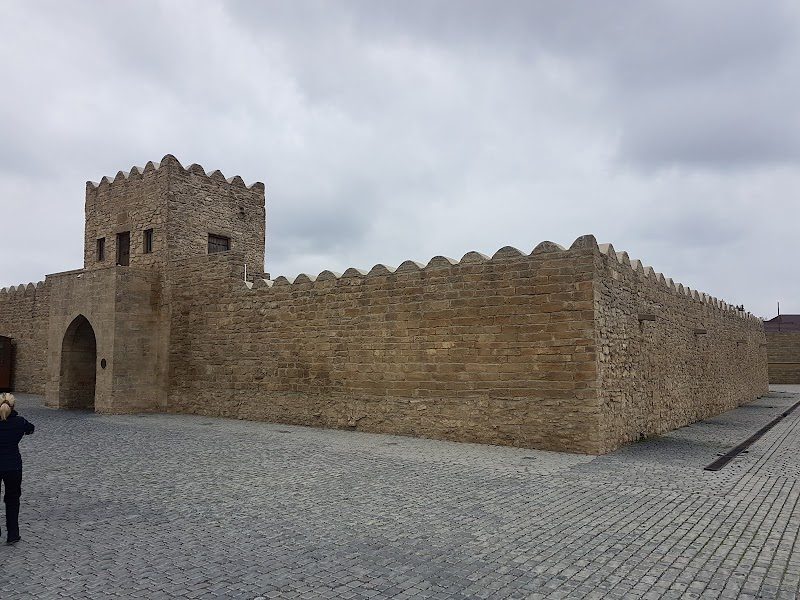
Ateshgah (Fire Worshippers' Temple): In Surakhani, 30 km from Baku. It began as a Zoroastrian fire temple and became a place of worship for Hindu merchants; the central flame now uses a gas line. Entry is 4 AZN. Visit on the same day as Yanar Dag.
Absheron Beaches: Bilgah is the most popular; paid private beaches (20-50 AZN/day) are well maintained. Mardakan is more local and cheaper; Novkhani is another alternative. All are 30-40 minutes from central Baku.
Shamakhi and Lahij: Two hours northwest of Baku. Shamakhi is the former Shirvanshah capital; Lahij is a mountain village known for copperwork, carpet weaving and leatherwork. Allow a full day; the road is winding.
Quba and Khinalig: 3-4 hours north of Baku. Quba is known for apple orchards and carpet weaving; Khinalig, at 2,350 metres, is among the Caucasus's highest settlements, with a language spoken by only around 2,000 people. Stay overnight or plan a long day trip; the road may close in winter.
Local Label and Culture Notes
Azerbaijan is a secular Muslim country, with a balance similar to Turkey: conservative communities exist, while everyday life is modern and relaxed:
- Shorts, skirts and sleeveless tops are normal in central districts. Cover shoulders and knees in mosques; women must also wear a headscarf.
- Hospitality is central to Azerbaijani culture. Invitations into homes or shops come with tea; accepting a sip rather than refusing is considered polite.
- Respect for older people is expected; giving up your metro seat is common practice.
- Turkish-Azerbaijani relations are warm; ‘One nation, two states’ has a real everyday resonance. People identifying themselves as Turkish generally receive a warm welcome.
- You are expected to ask permission before taking photos, especially of older women.
- Karabakh is a sensitive subject; avoiding unnecessary arguments is recommended.
Food and Drink Guide
Azerbaijani cuisine is close to Turkish cooking but has its own flavours; mixed Azerbaijani-English menus can make ordering a little harder.
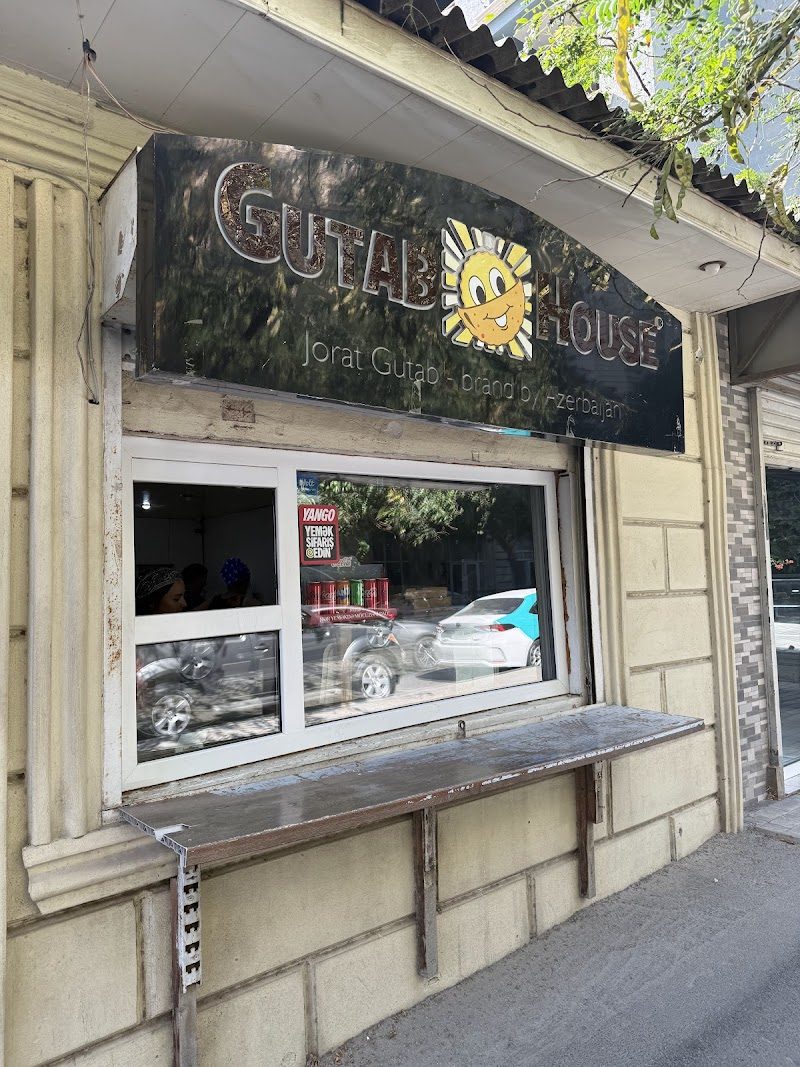
Must-tries: Plov (saffron-coloured rice with dried fruit and lamb), qutab (thin dough filled with herbs or meat and griddle-cooked, 2-3 AZN), dolma (Azerbaijani stuffed vine leaves), lavangi (walnut-stuffed chicken or fish from Lankaran), shah plov (pastry-wrapped rice for festive tables), dushbara (tiny dumplings, 5-6 fitting on a spoon).
Breakfast: Azerbaijani breakfast resembles Turkish breakfast: white cheese, honey, clotted cream, tomatoes, cucumbers, eggs and plenty of tea. Kuku (herb omelette) is the distinctive addition. Hotel breakfasts are generally generous, and street-side breakfast is also available.
Drinks: Tea in armudu glasses is served everywhere, free or very cheaply. Sherbet is traditional; ayran is the same as in Turkey. Xırdalan and NZS are popular local beers. Azerbaijani wines have improved in recent years, with Savalan and Chabiant standing out.
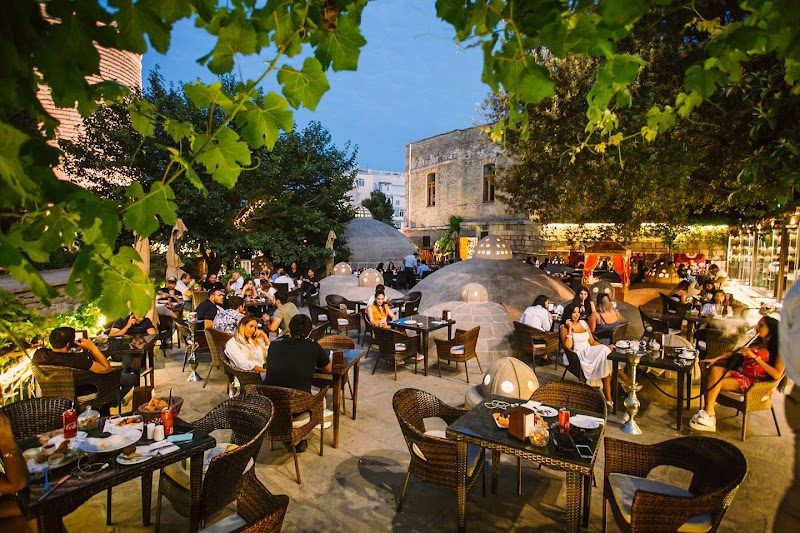
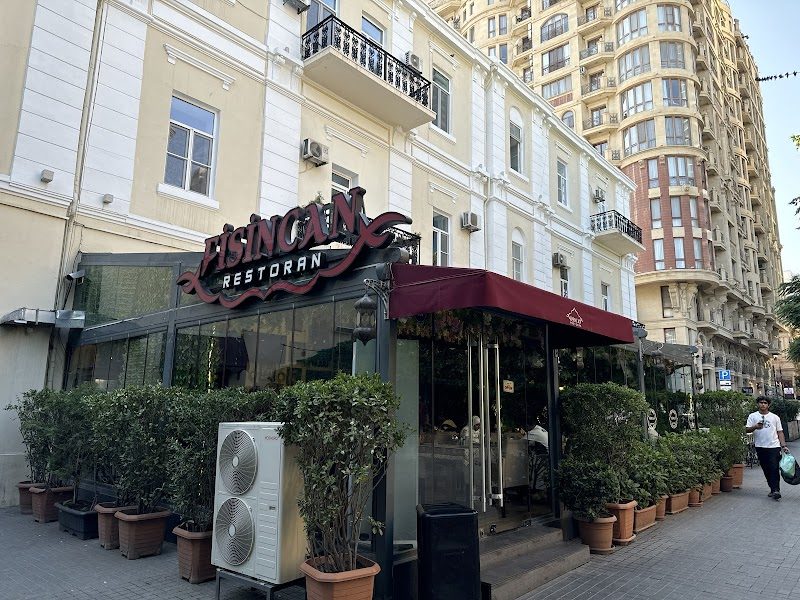
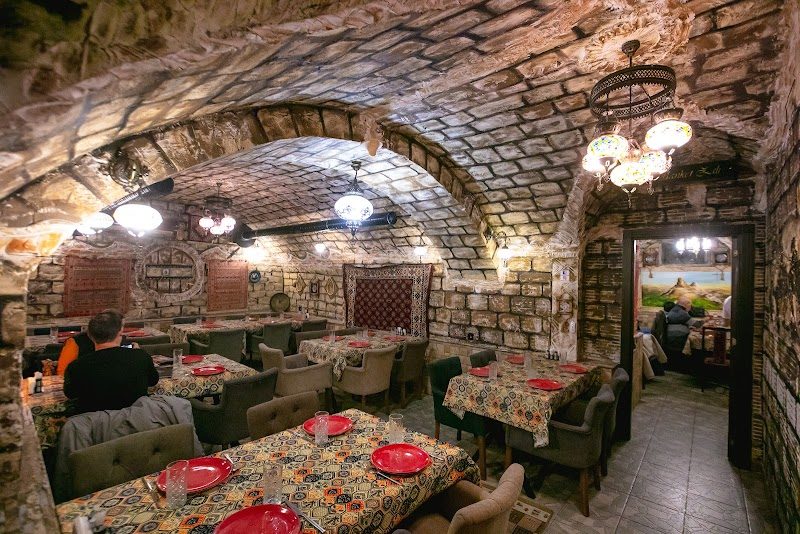
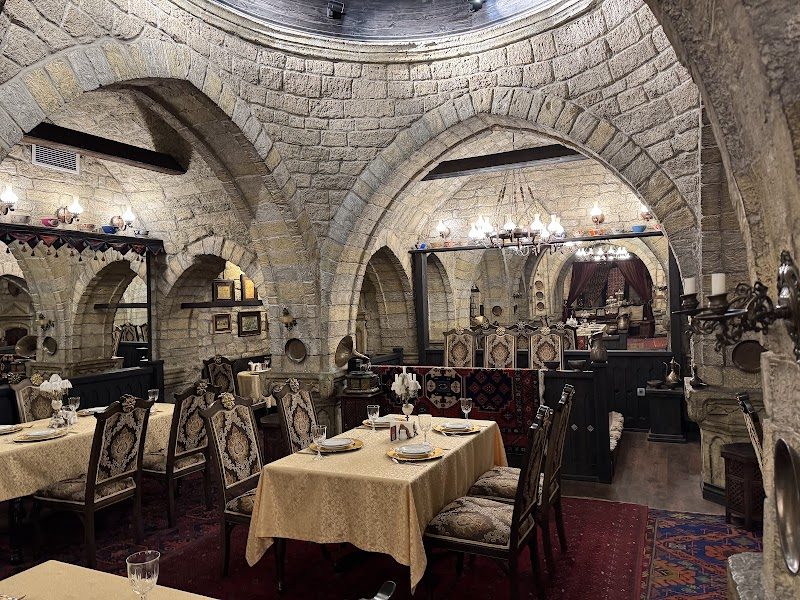
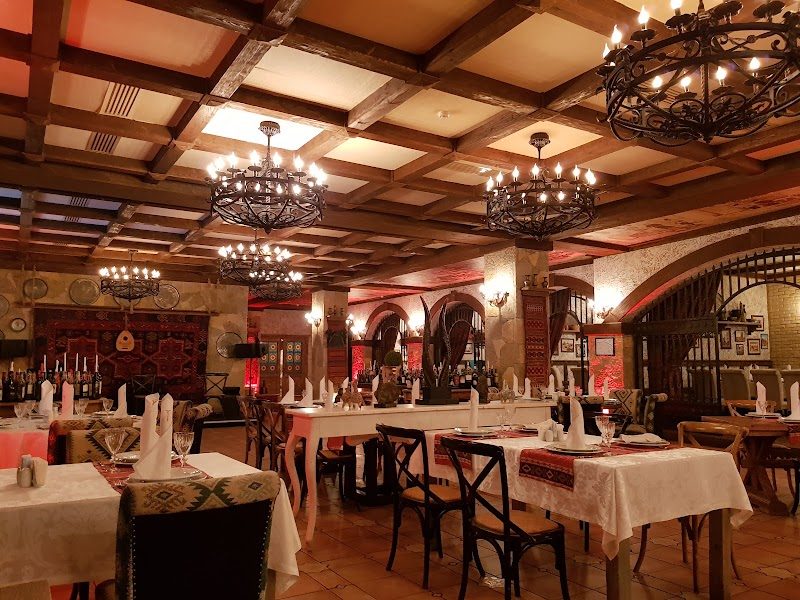
Where to eat: Fisincan (fine-dining Azerbaijani cuisine, Nizami Street), Dolma Restaurant (affordable, near Icherisheher), Mangal Steak House (kebabs and grills), Art Garden (sea views on the Boulevard), Nargiz (local flavours, friendly setting). For a budget meal, qutab and döner shops around Fountains Square fill you up for 5-10 AZN.
FAQ
Does I need a visa to Baku?
Turkish citizens with ordinary burgundy passports can enter visa-free for up to 90 days within 180 days. A passport valid for 6 months is sufficient. Green, grey and black passport holders also enter visa-free.
Is Baku expensive?
It remains affordable compared with major European cities. Meals cost 10-30 AZN (90-270 TRY), metro rides 0.4 AZN and taxis 5-15 AZN. Apart from luxury restaurants and hotels, the city is budget-friendly.
Can you communicate without speaking Azerbaijani?
Turkish speakers face little difficulty communicating; Azerbaijani and Turkish are largely mutually intelligible. Young people also speak English.
How many days to visit Baku?
Three days are enough for the city centre. Allow 5-7 days if including nearby sights such as Gobustan, Yanar Dag and Ateshgah.
Can you swim in the Caspian Sea?
Central beaches are not particularly suitable for swimming. Bilgah, Mardakan and Novkhani beaches on the Absheron Peninsula are cleaner, 30-40 minutes from the city.
Is alcohol sold in Baku?
Yes. Azerbaijan is secular and alcohol sales are permitted. It is available in shops, restaurants and bars, including local beers and wines.
How much is a flight ticket?
Direct Istanbul-Baku flights usually cost 120-250 EUR. Early bookings and low season can bring fares below 100 EUR. Flight time is 3-3.5 hours.
Which is the best airport transfer?
The budget option is the H1 express bus (1.3 AZN). Booking a car through Bolt (15-20 AZN) is faster and more comfortable. Official taxis outside the airport are also safe (25-35 AZN), but generally cost more than Bolt.
How is the internet and SIM card in Baku?
Azercell, Bakcell and Nar SIM cards are available at the airport; tourist packages include 5-10 GB for 10-20 AZN, with a passport required. Wi-Fi is common in hotels and cafés but connectivity weakens on the metro and streets. eSIM users can buy Airalo's Azerbaijan package in advance.
Is it possible to enter Flame Towers?
The towers house the Fairmont hotel, offices and residences. There is no public observation deck, but you can enter Fairmont's lobby and restaurant. The clearest views are from Seaside Boulevard and Highland Park. The night-time light show appears on the towers' exteriors: one shows the Azerbaijani flag, another flames. It is free and repeats every night.
Can I go from Baku to Nakhchivan?
There is no direct road link because Armenian territory lies between them. AZAL's Baku-Nakhchivan flight takes 1 hour; subsidised fares stay around 30-60 AZN. Nakhchivan has Noah's tomb (according to legend), salt caves and historic fortresses.
When and how is Novruz celebrated?
Novruz (Nowruz), around 20-21 March, is an ancient Turkic-Iranian tradition celebrating spring's arrival. Azerbaijan marks it with about 1 week of public holidays. Jumping over fire, growing semeni (wheat sprouts) and setting a seven-colour table remain customary; streets, parks and squares take on a festive atmosphere.
Is Baku safe?
Azerbaijan generally has low crime, and walking in the city centre feels comfortable even at night. Pickpocketing occurs occasionally on the metro and in busy markets but is not a major risk. Traffic requires the most attention: drivers can be aggressive, so take care at crossings.
Are credit cards accepted in Baku?
Visa and Mastercard work smoothly in large restaurants, hotels and malls. Small shops, taxis, markets and street vendors require cash. ATMs are widespread; withdrawals of 500-1,000 AZN per transaction are possible, with fees depending on the bank. The currency is the manat (AZN); 1 AZN is around 0.55 USD or 9-10 TRY.
Is there nightlife in Baku?
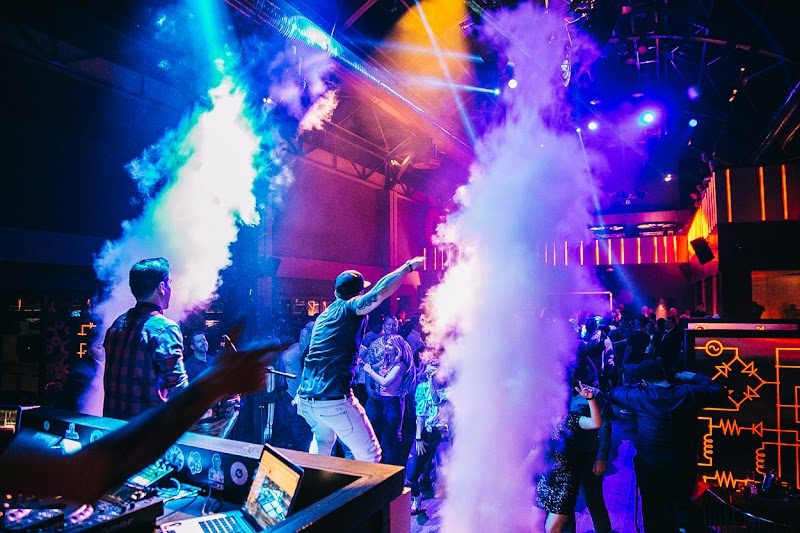
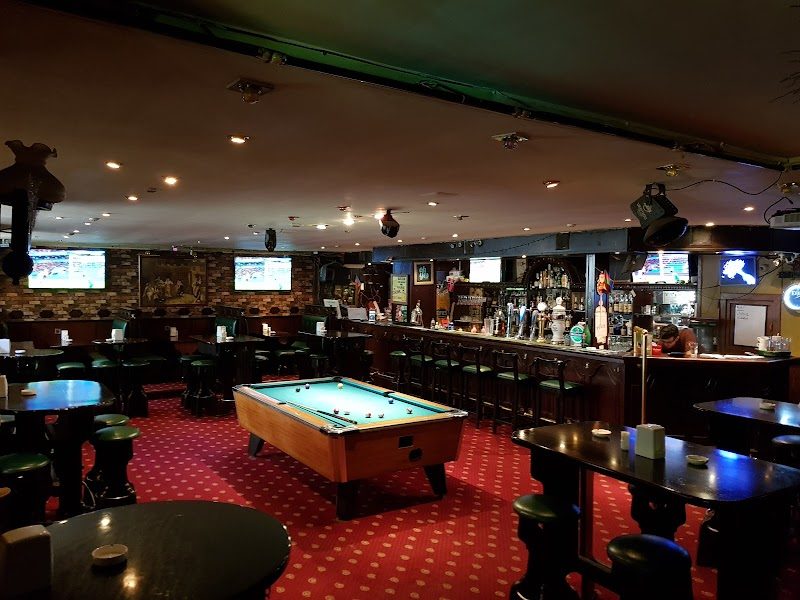
Yes, and it is growing. Bars and cafés around Fountains Square stay open late; the Boulevard has lounge bars and rooftop venues. Well-known nightclubs cluster outside the city at Absheron beach clubs. Alcohol is freely available: beer costs 3-6 AZN and cocktails 10-20 AZN. Friday and Saturday nights are busiest.