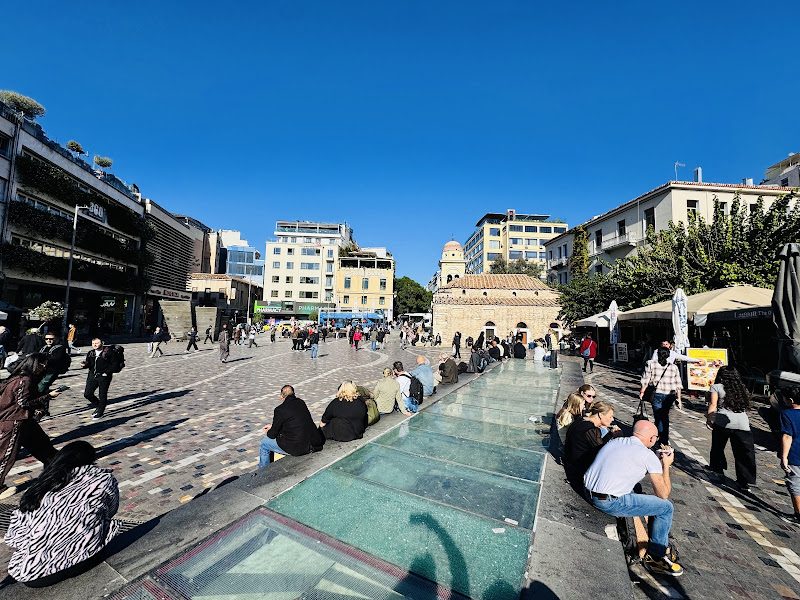
About
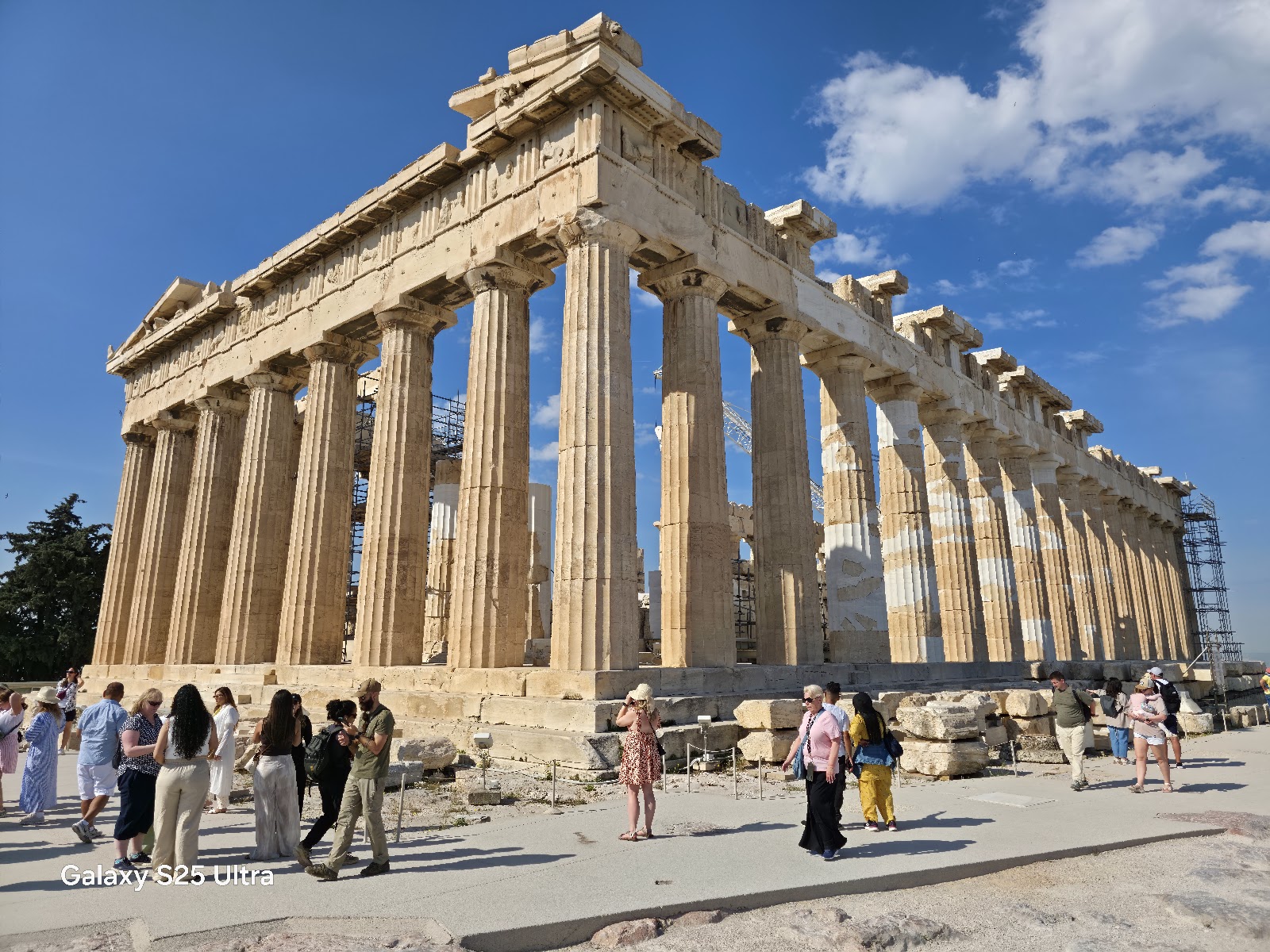
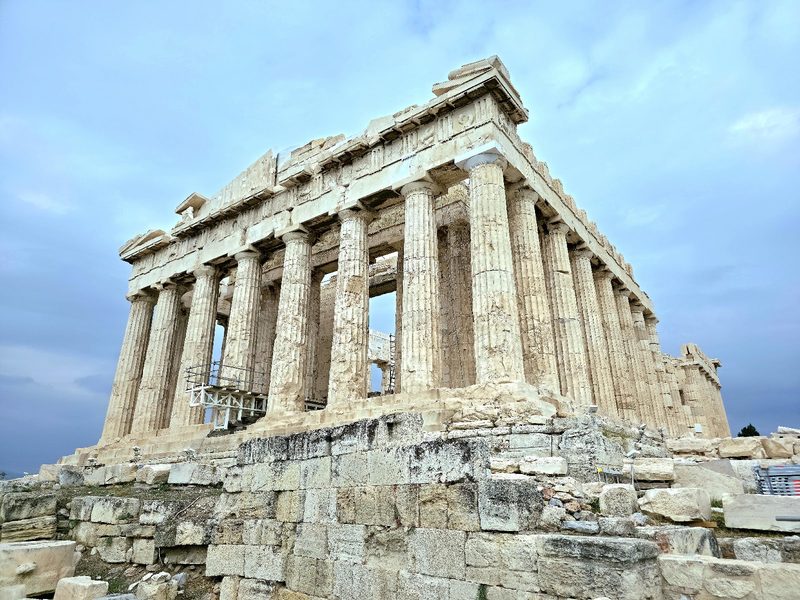
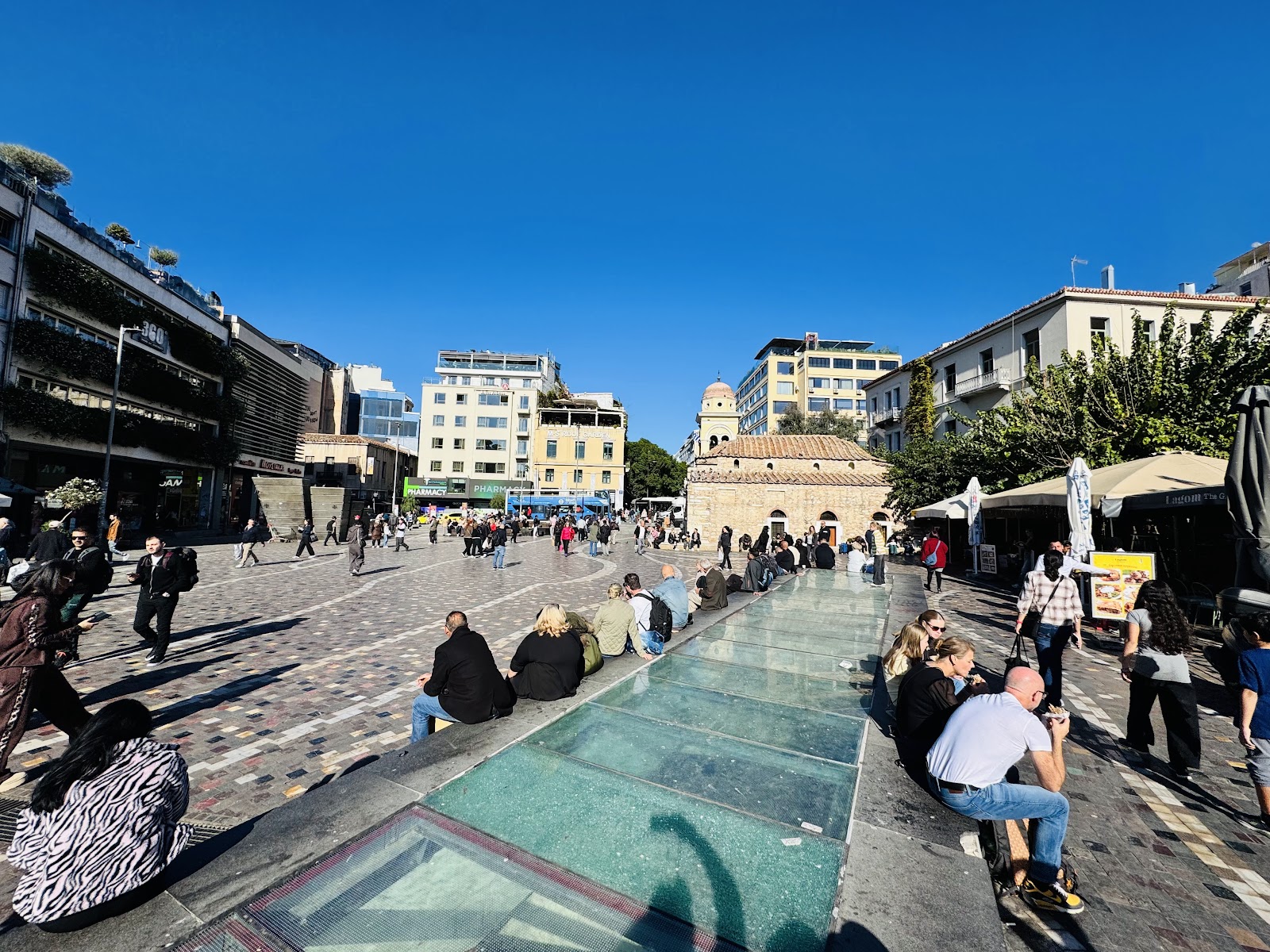
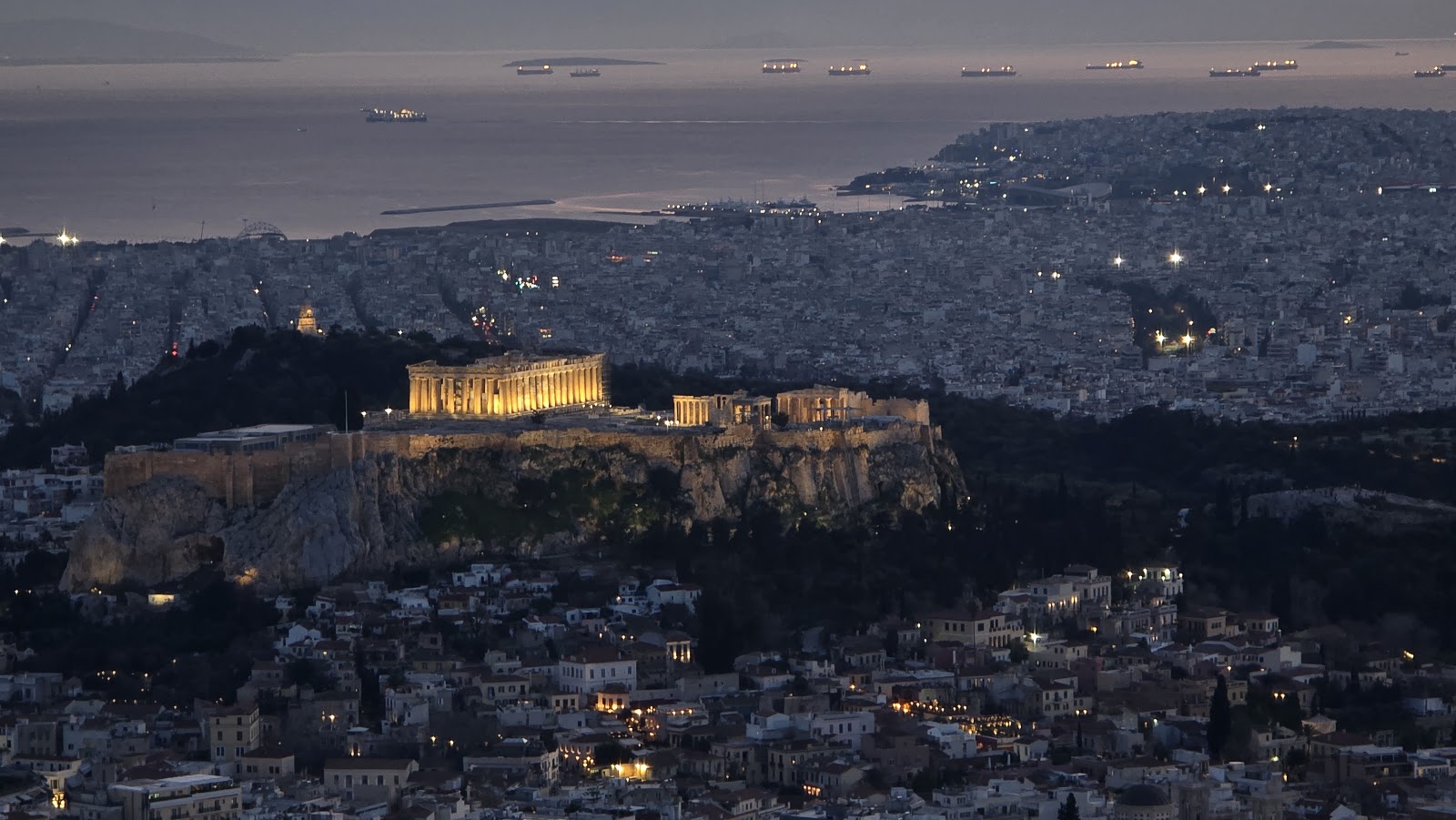
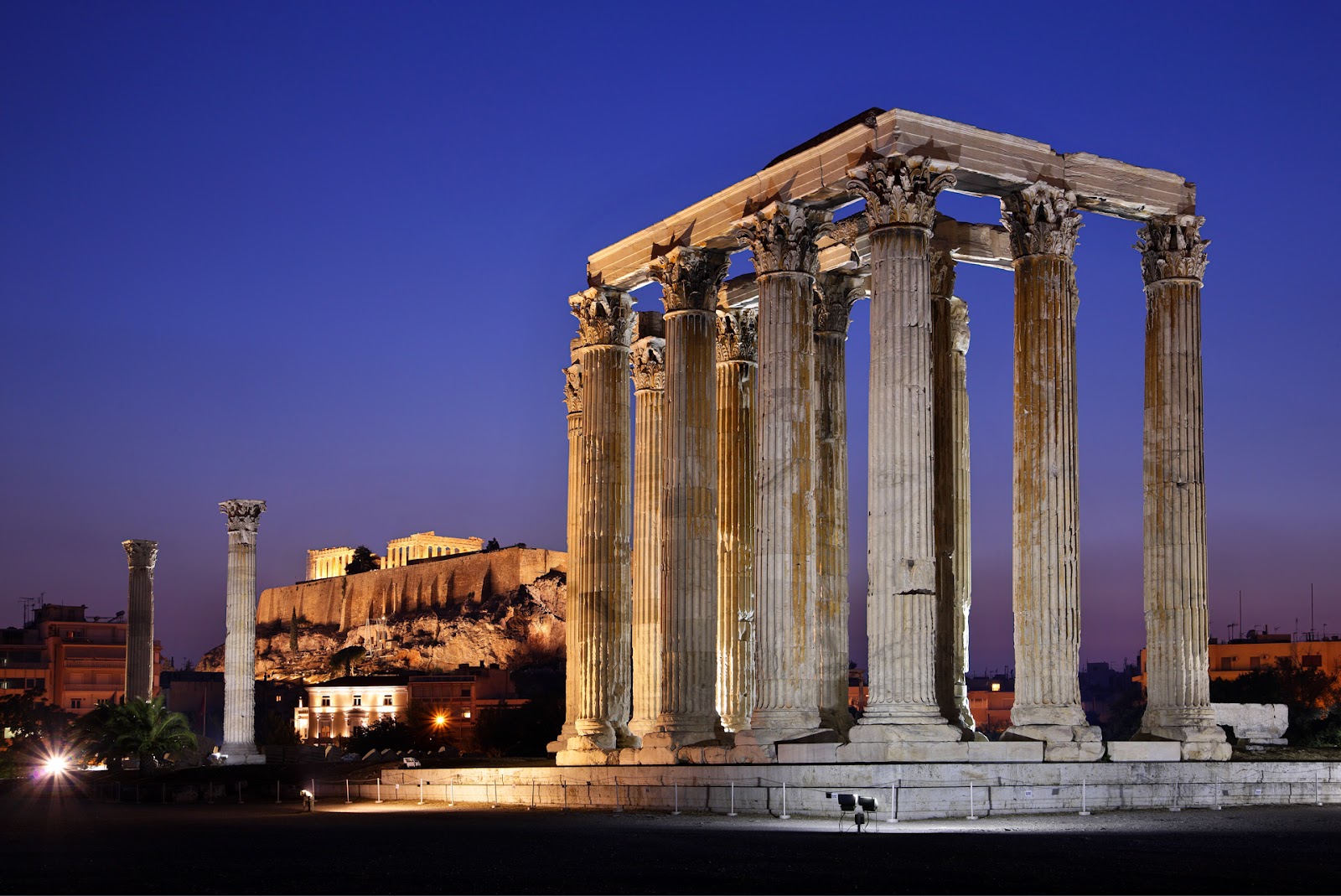
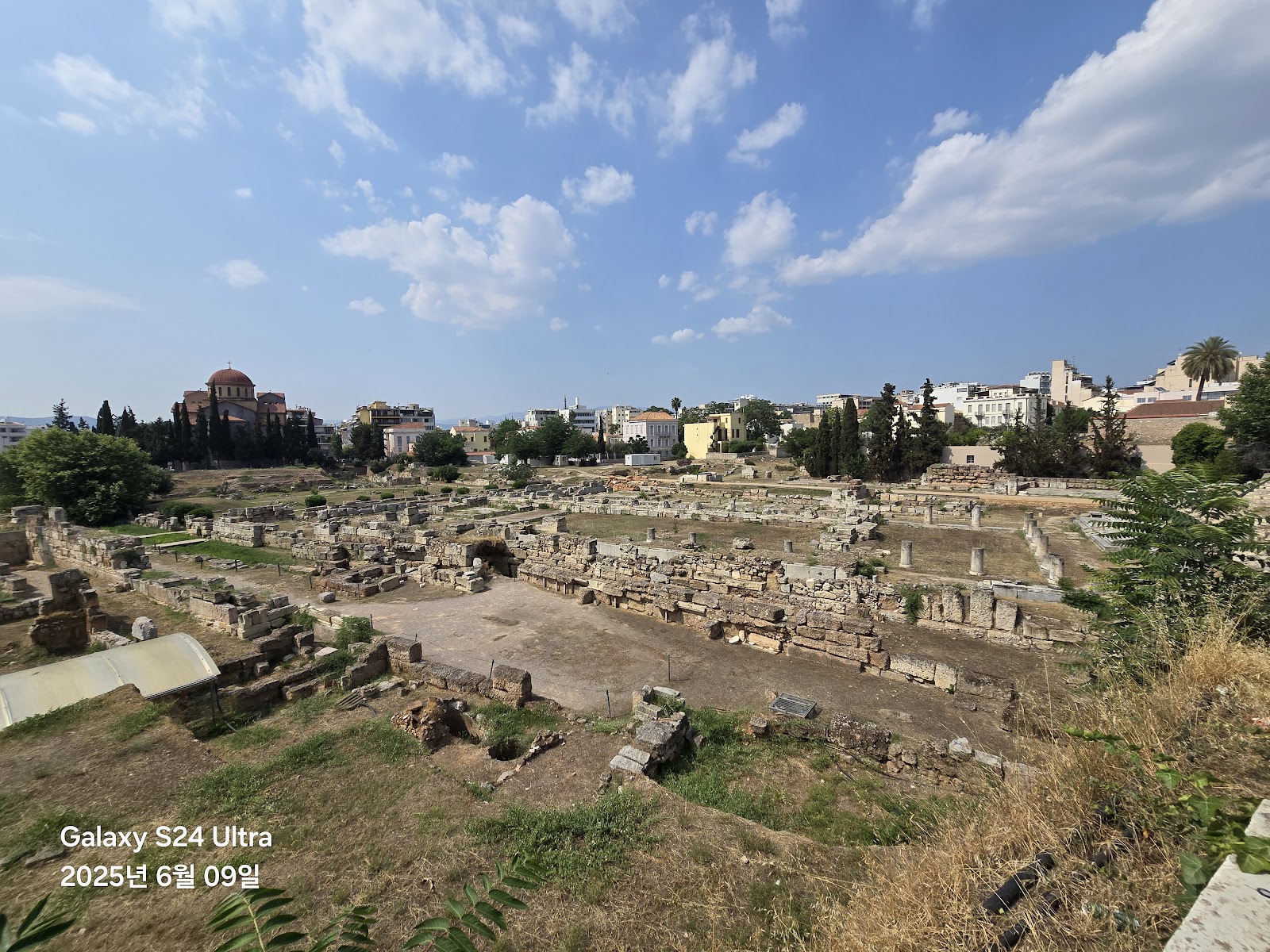
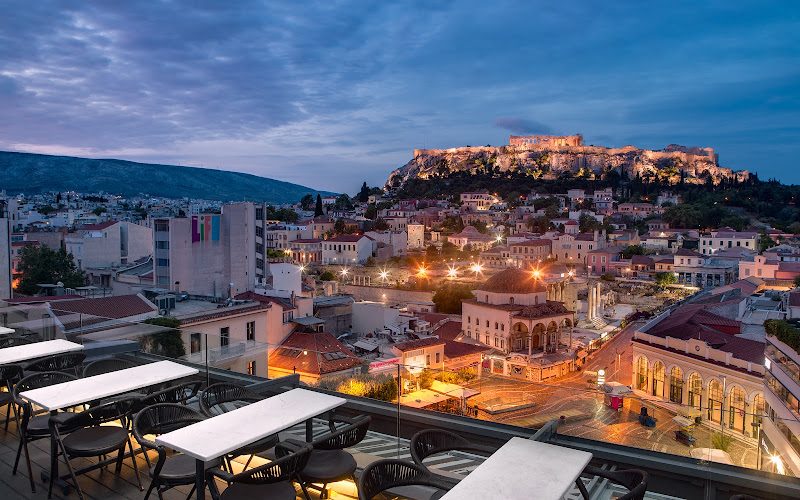
Athens has been continuously inhabited around the Acropolis rock for more than 3,400 years. Socrates accepted the outcome of his trial by drinking hemlock here, Plato founded the Academy here, and theatre took shape on this soil. Yet the city does not display its past like a showcase: a 5th-century BC water channel is still visible in the excavation pit inside the functioning Monastiraki metro station.
The flight from Istanbul takes 1 hour 15 minutes, less than flying to Antalya. Off-season tickets can be found for 50–80 EUR; this proximity and price are the two main factors making Greece accessible to travellers departing from Türkiye.
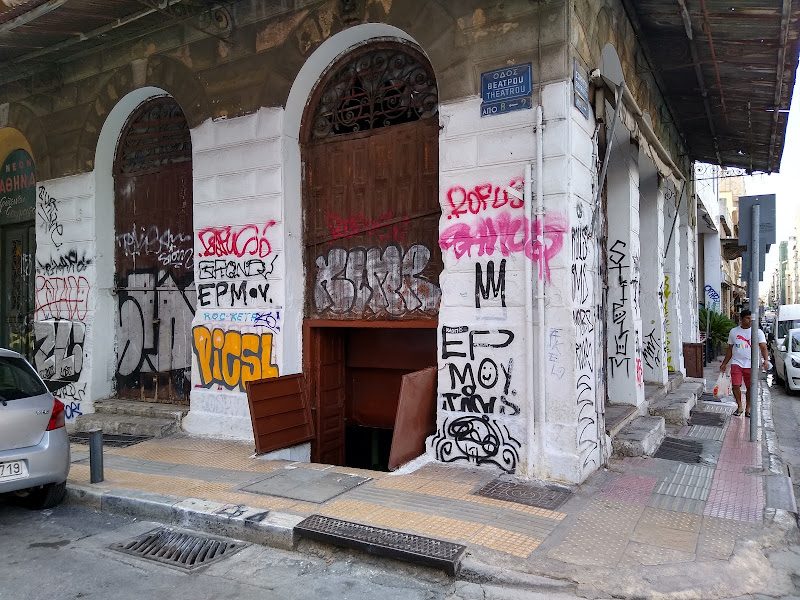
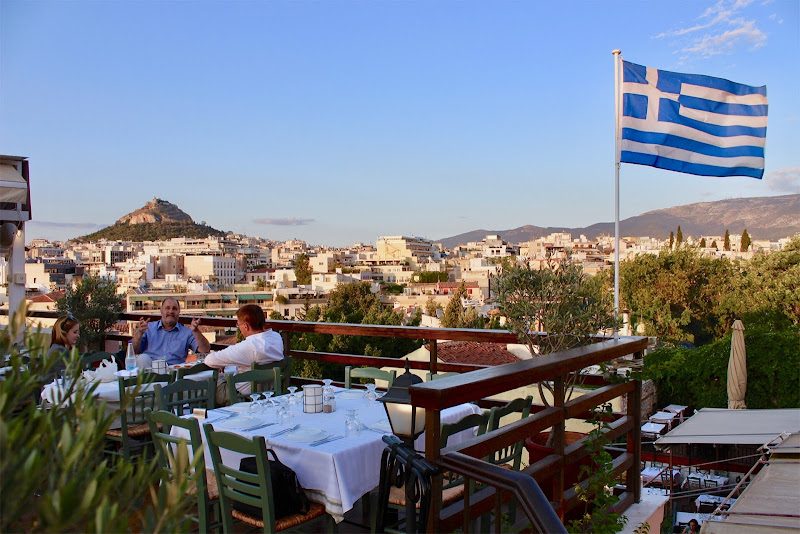
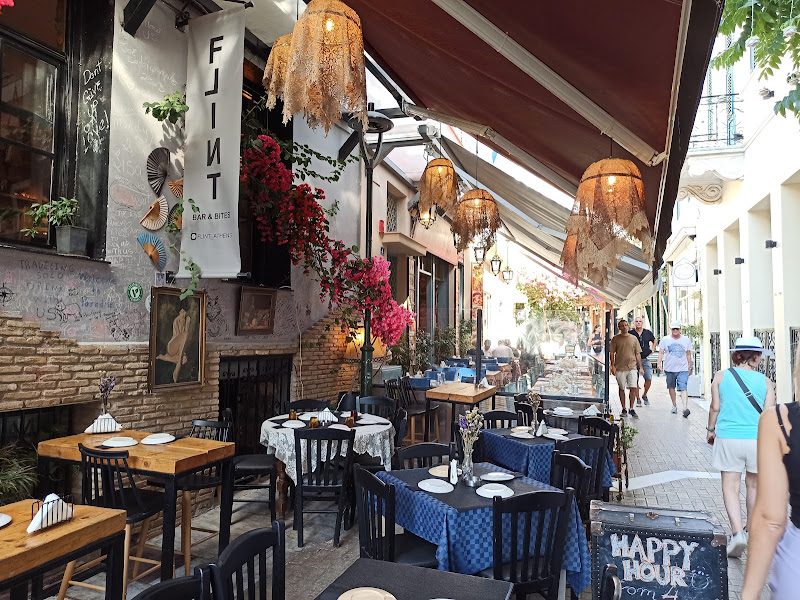
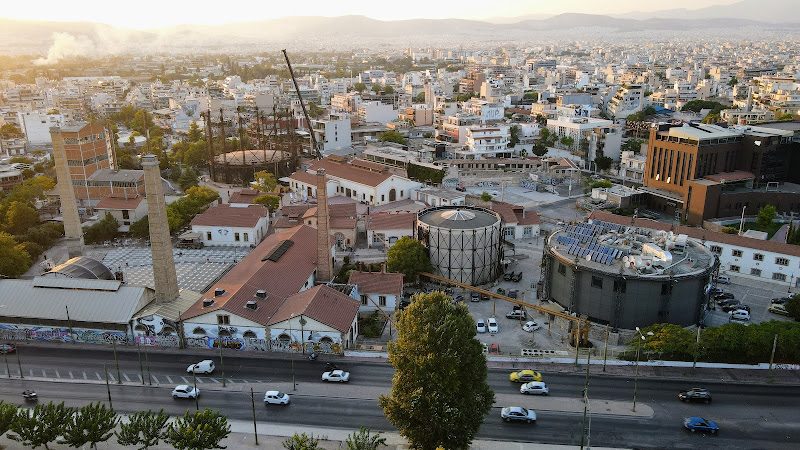
With 3.15 million residents, it is the country's largest city. Each neighbourhood has its own character, from Plaka's narrow streets and Exarchia's graffiti-covered walls to Kolonaki's boutique-lined streets and Gazi's club district around the former gasworks. The compact centre makes it possible to walk between them.
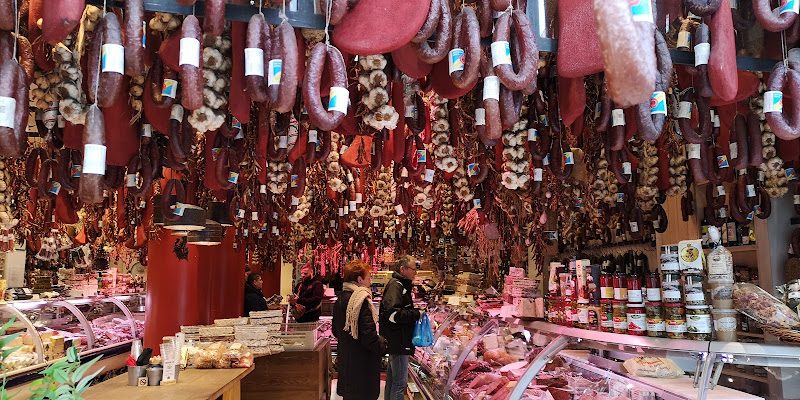
The food welcomes visitors from Türkiye with a familiar vocabulary: souvlaki (shish kebab), moussaka (aubergine casserole), tzatziki (cacık), dolmadakia (stuffed vine leaves) and spanakopita (spinach börek). The names differ, but the ingredients and cooking methods overlap; olive oil and feta cheese underpin almost every plate.
Nightlife starts late. Greeks do not sit down to dinner before 21:00, and bars begin filling after midnight. In summer, the beach clubs along the Athens Riviera take centre stage; in winter, Gazi and Psirri do.
Prices are lower than in most European capitals: a souvlaki costs 2–3 EUR, dinner for two at a taverna 30–50 EUR, and a night in a mid-range hotel around 80–120 EUR. This makes the city an accessible option for students and those planning their first European trip.
The city's proximity to the sea is less well known. Trams reach the beaches of Glyfada, Voula or Vouliagmeni from the centre in 30–40 minutes; ferries from the port of Piraeus make day trips to Aegina, Hydra or Poros in the Saronic Gulf possible.
In summer, particularly July and August, temperatures can reach 38–42°C, and archaeological sites offer little shade. Traffic is heavy, and drivers do not always stop at pedestrian crossings. Neighbourhoods such as Exarchia can become active during periods of political tension; these details affect planning but do not make the city impossible to explore.
When to visit
Athens has a Mediterranean climate: hot, dry summers and mild, rainy winters. April–May and October–November offer the most balanced weather conditions.
| Period |
Weather (daytime) |
Fatigue |
Hotel Price |
Notes |
| January-February |
5 / 13° |
Low |
Low |
Quiet season, occasional rain, museums quiet |
| March |
8 / 16° |
Medium |
Medium |
It's the beginning of spring, flowers are starting to bloom |
| April |
12 / 20° |
Medium-High |
Medium |
Sudden jump, ideal weather during Easter |
| May |
16 / 25° |
High |
High |
Most recommended month — hot but not sweltering |
| June |
21 / 30° |
High |
High |
Festival season begins, long accents |
| July-August |
24 / 34° |
Very high |
High |
It's scorching hot, nothing to miss but it's hard |
| September |
20 / 30° |
High |
High |
The sea is still warm, the accents are beautiful |
| October |
15 / 24° |
Medium |
Medium |
Second golden moon—cool, calm, calculating |
| November |
11 / 18° |
Low |
Low |
Rainy days increase but prices are very affordable |
| December |
7 / 14° |
Low-Medium |
Medium |
Christmas atmosphere, giant tree in Syntagma |
Summer temperatures can exceed 38°C, making midday visits to unshaded archaeological sites such as the Acropolis and Agora demanding. Water and a hat are essential, and spending midday in a museum or an air-conditioned venue makes sense. Many Greeks take their holidays in August, when some small businesses may temporarily close.
Getting there
The flight time to Athens from Türkiye is comparable to a domestic route. 1 hour 15 minutes from Istanbul.
| City of Exit |
Surah |
Frequency (approximately) |
| Istanbul (IST/SAW) |
1 hour 15 min |
4-6 flights per day (THY, Pegasus, Aegean) |
| Ankara (ESB) |
1 h 50 min |
1-2 flights per day (THY) |
| Izmir (ADB) |
1 hr |
3-4 times a week |
| Frankfurt (FRA) |
3 hours |
4-6 times a day |
| London (LHR/STN) |
3 h 30 min |
8+ trips per day |
Athens Eleftherios Venizelos Airport (ATH): 33 km from the city centre, opened in 2001.
From airport to center:
- Metro (Blue Line, M3): Airport to Syntagma in 40 minutes, 9 EUR. The most practical option.
- Airport Express Bus (X95): 60–90 minutes to Syntagma Square, depending on traffic, 5.5 EUR. Runs 24 hours a day.
- Taxi: Fixed fare of 40 EUR by day / 55 EUR at night, 00:00–05:00. Choose the official yellow taxis.
- Private transfer: 40-50 EUR through the Welcome Pickups or GetTransfer apps.
Flight ticket note: Strong competition on the Istanbul–Athens route generally keeps fares reasonable. Booked 2–3 weeks ahead, prices commonly fall between 50–120 EUR; Pegasus and Aegean are among the most affordable options. During peak summer and holidays, fares can rise to 2–3 times that level.
Ferry option: Ferries run from Italy (Bari, Ancona and Brindisi) to Patras, with onward travel to Athens by bus or train. It is a long route, but a worthwhile alternative for Interrail travellers.
Urban Transportation
OASA operates Athens' public transport network. The metro, buses, trams and suburban railway (Proastiakos) share a single ticket system.
Ticket prices:
- Single journey: 1,20 EUR (valid for 90 minutes on all forms of transport)
- 24-hour ticket: 4,10 EUR
- 5-day ticket: 8,20 EUR
- Airport metro ticket: 9 EUR (one way)
Metro: Three lines operate:
- M1 (Green): Pireas – Kifissia (the old line, above ground)
- M2 (Red): Anthoupoli – Elliniko
- M3 (Blue): Agia Marina – Airport (the most useful line)
Syntagma and Monastiraki are the most central stations. Archaeological finds discovered during metro excavations are displayed inside the stations; this is particularly evident in the display cases at Syntagma station.
Tram: Runs from Syntagma to the coastal strip, including Glyfada and Voula, making it a practical option for the beach.
Taxi: Yellow metered taxis operate in the city. The Beat app, the service that replaced Uber in Greece, is safe and widely used. Except for airport trips, fares are metered; short journeys cost 4–8 EUR.
Walking: Central Athens is compact. Syntagma, Monastiraki, Plaka, the Acropolis and Psirri are all within walking distance, in a 15–20-minute radius. Pavement conditions vary, so comfortable shoes are needed.
Accommodation Regions
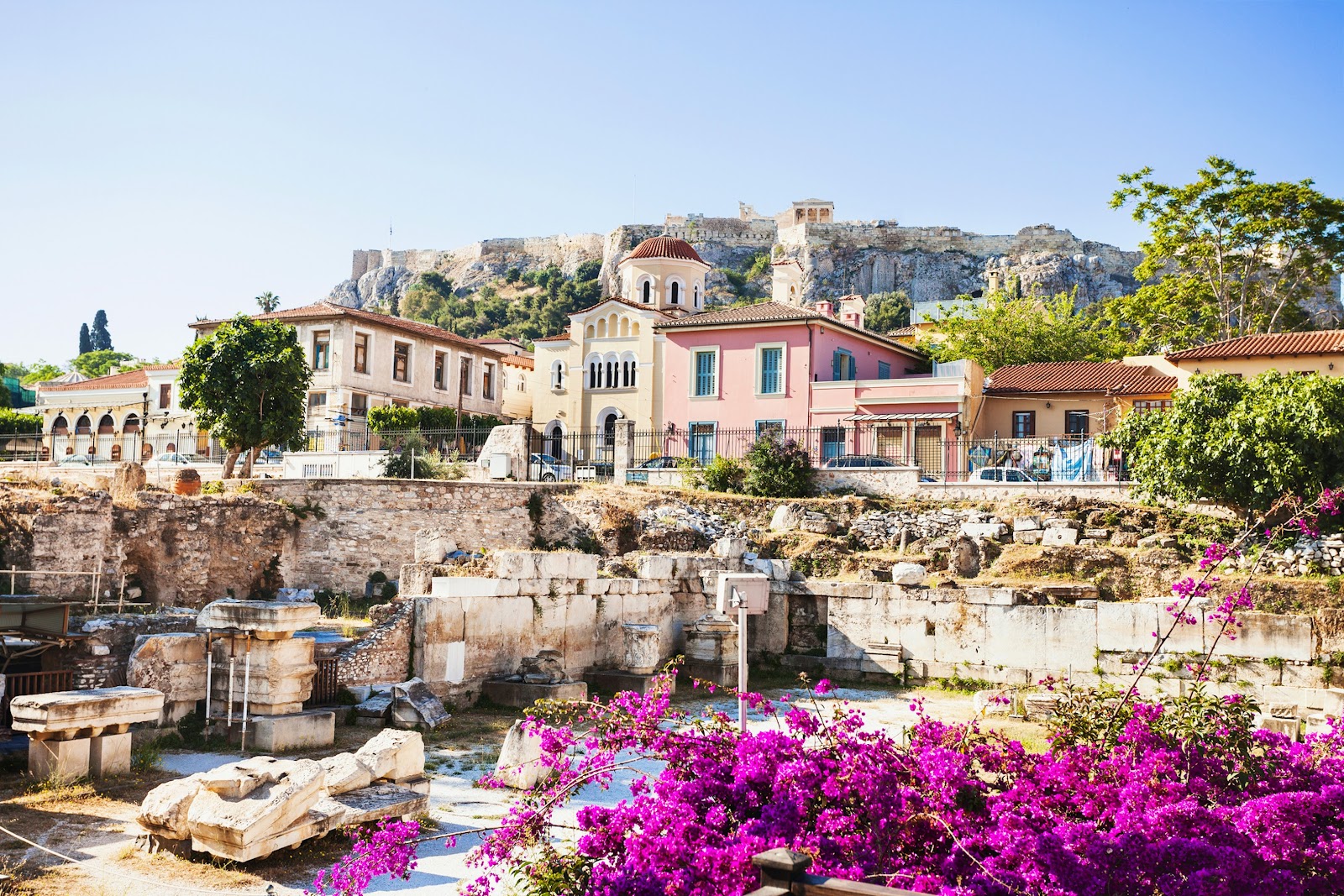
Plaka & Anafiotika: The oldest neighbourhood at the foot of the Acropolis, full of narrow streets and neoclassical buildings. Busy with tourists but quieter in the evenings, with everything reachable on foot. A practical base for first-time visitors.
Monastiraki & Psirri: Next to Plaka but younger and livelier, with plenty of bars, graffiti and street art. A sensible choice for staying close to nightlife; noise levels rise on weekend nights.
Syntagma & Kolonaki: The city's administrative and commercial centre, with major hotels and metro connections concentrated here. Kolonaki is quieter and more expensive, while Syntagma has heavier traffic. Suitable for business trips.
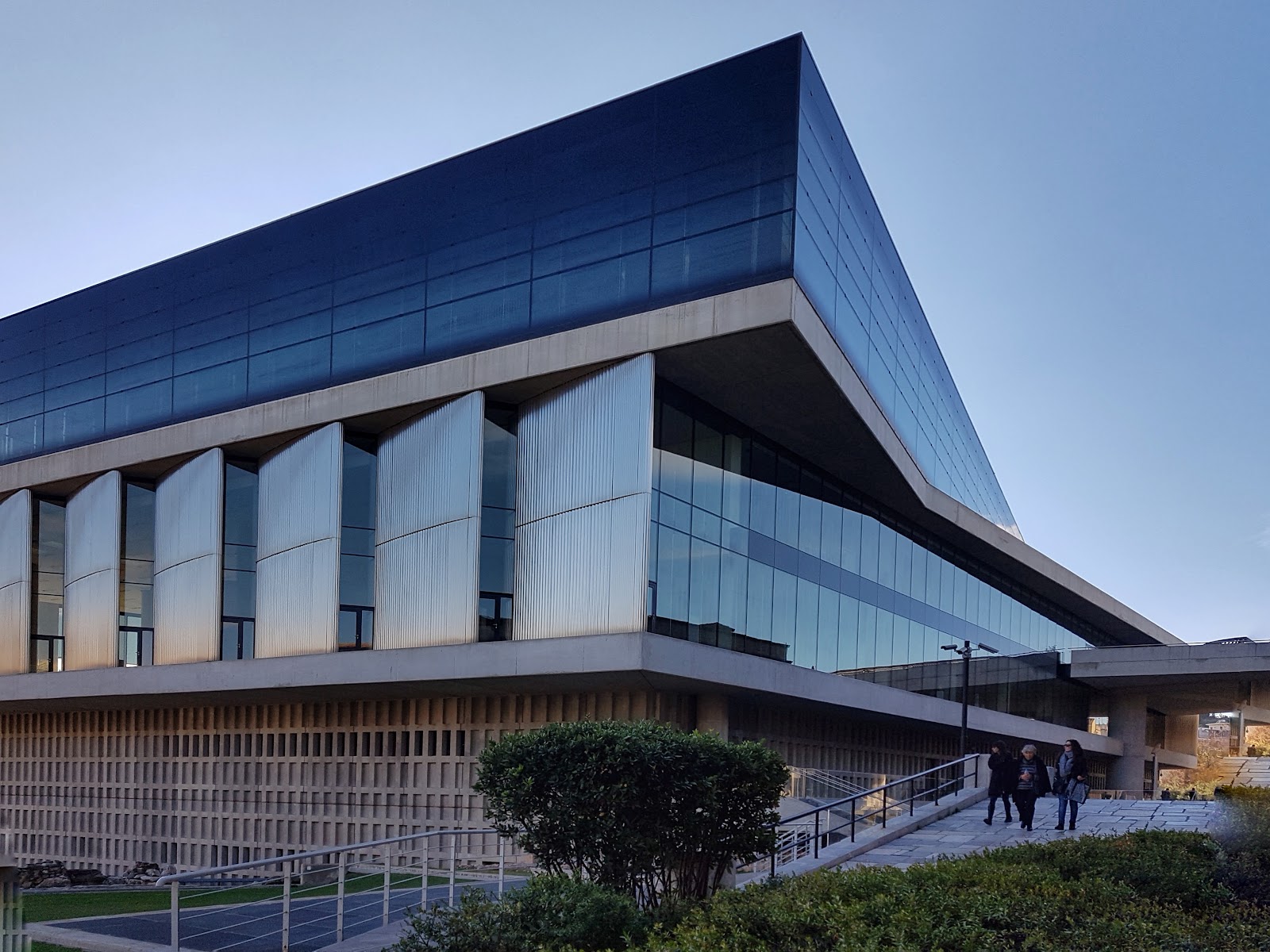
Koukaki & Makrygianni: South of the Acropolis, a less expensive area with a more local feel. Within walking distance of the Acropolis Museum. The number of boutique hotels and short-term rentals has increased in recent years.
Exarchia: A bohemian neighbourhood near the university that also sees political activity. Known for inexpensive bars, vegan restaurants and bookshops. It is advisable to be careful late at night.
Piraeus: The port district, practical for catching ferries to the islands. It is 25 minutes from the city centre by metro. Fish restaurants line the waterfront at Mikrolimano.
Budget Plan (3 days, EUR)
Athens is one of the less expensive capitals in the eurozone. The daily per-person ranges below are based on average observations for 2026.
| Budget Style |
Accommodation (night) |
Food (day) |
Activity/Transportation |
Total 3 days (person) |
| Backpacker (hostel, souvlaki, free spots) |
20-35 EUR |
15-25 EUR |
20-30 EUR |
165-270 EUR |
| Moderate (3* hotel, tavern, main museums) |
70-120 EUR |
35-50 EUR |
40-60 EUR |
435-690 EUR |
| Comfort (4* boutique hotel, good restaurants, guided tour) |
150-250 EUR |
60-90 EUR |
60-80 EUR |
810-1260 EUR |
| Luxury (5* hotel, fine dining, private guide) |
350 EUR+ |
150 EUR+ |
150 EUR+ |
1950 EUR+ |
The combined ticket (30 EUR) covers 7 archaeological sites and is valid for 5 days, working out cheaper than separate tickets. State museums are free on the first Sunday of the month, but queues are longer then. EU citizens under 18 enter most museums free.
Ways to save: Souvlaki costs 2–3 EUR and a single metro ride 1.20 EUR; tap water is drinkable, so you can refill your bottle. Free walking tours (Free Walking Tour Athens) are available, some museums are free on Sundays, and walking up Lycabettus Hill costs nothing.
Practical Tips
- Buy the combined ticket online rather than at the gate: The 30 EUR ticket covers 7 sites, including the Acropolis, and is valid for 5 days; buying through acropolis-Athens-tickets.gr lets you skip the ticket-office queue.
- Visit the Acropolis at 08:00: The gates open on the hour and it stays relatively empty until 08:30. Tour buses arrive after 10:00, when both the crowds and the heat increase.
- Refill your water bottle instead of buying water: Athens' tap water is drinkable. Fill up at the fountain by the Acropolis entrance before going in; water vendors inside are few and expensive.
- Wear flat-soled shoes for the slippery marble: Centuries of foot traffic have polished the Acropolis walkways, making them particularly slippery after rain.
- Small shops may be closed between 15:00 and 17:00: Some shopkeepers shut for the siesta; plan a museum or air-conditioned venue for this time.
- Do not sit down to dinner before 21:00: Greeks eat late, and you may be the only customer in a taverna open at 19:00. Service is normal, but your choice of tables may be limited.
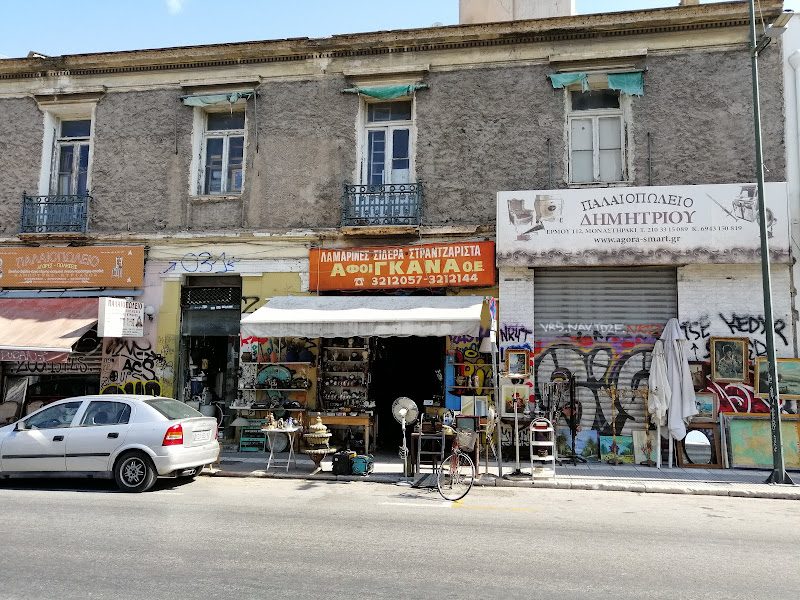
- Do not accept the first price at Monastiraki market: Bargaining is expected, and a 20–30% reduction is considered normal. There is no bargaining in restaurants or supermarkets.
- Buy your eSIM before travelling, rather than at the airport: Cosmote and Vodafone airport counters sell packages for 15–25 EUR but have queues; activating with Airalo or Holafly in advance saves time.
- Keep your wallet in a front pocket on the Monastiraki metro: Pickpocketing is reported most often at this station and on crowded buses.
- Download Beat for taxis: Uber does not operate in Greece; the local alternative is Beat (Free Now). Yellow taxis can also be hailed on the street.
Travel Guide with Children
In Greek restaurants, children making noise at the table are generally overlooked, and waiters give extra attention to families with children. The heat and the Acropolis slopes require planning, while the city's fabric, woven with mythological stories, provides plenty of material to tell children about.
Recommendations by Age Group
Ages 0–3: The National Garden (Ethnikos Kipos) is shaded and accessible with a pushchair. Slippery marble and steps at the Acropolis make pushchairs difficult to use; Plaka's level streets are better suited to this age group.
Ages 4–7: Telling stories of Zeus, Athena and Poseidon before climbing the Acropolis helps bring the stones to life for children. The interactive sections at the Hellenic Children's Museum (Paidiko Mouseio) suit this age group.
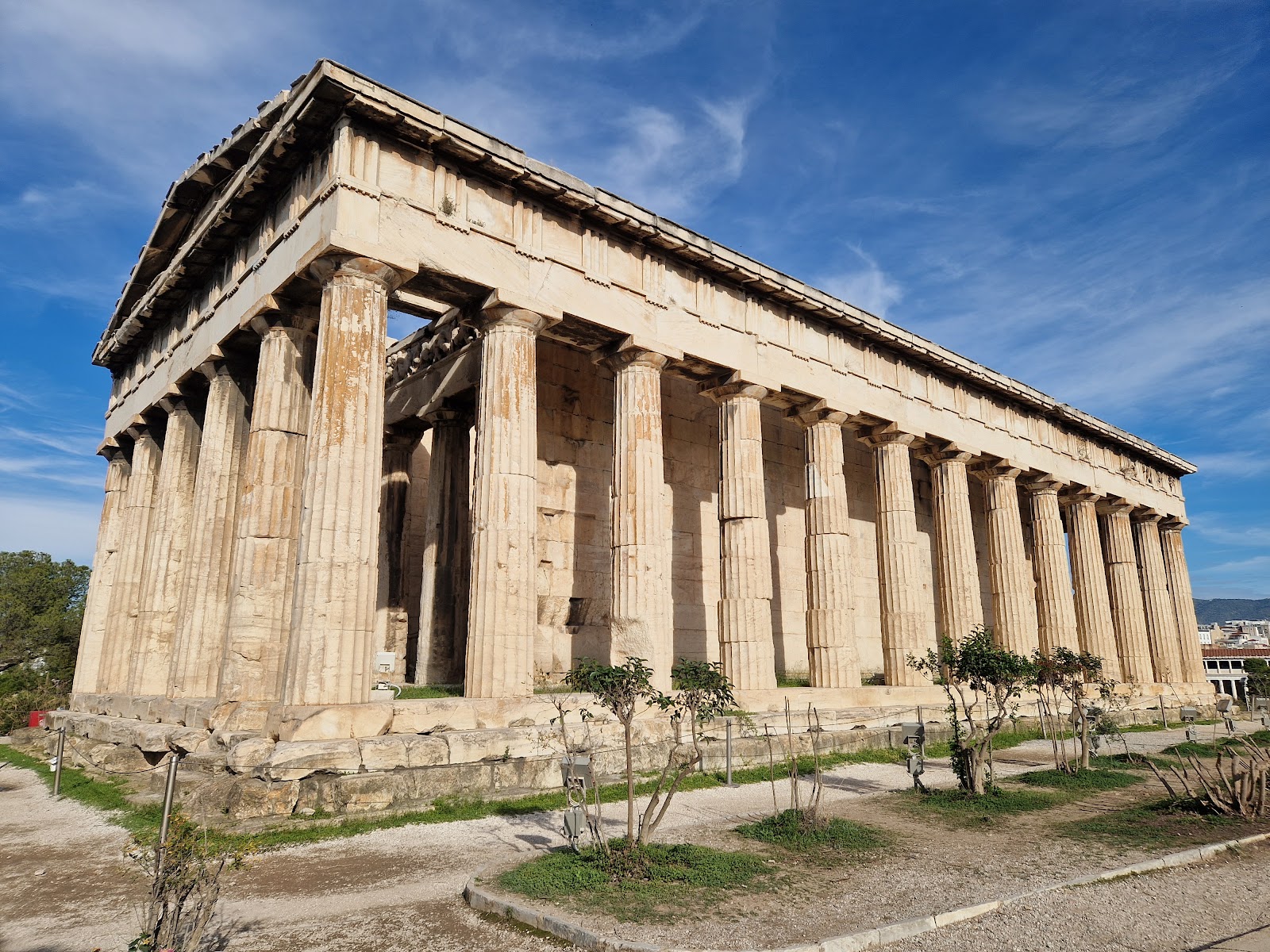
Ages 8–12: The interactive sections at the Acropolis Museum and following Socrates' paths through the Ancient Agora feed children's growing interest in history at this age. Philopappou Hill offers views of the Acropolis at sunset.
Ages 13+: Monastiraki flea market and Exarchia's street art appeal to teenagers. A beach break on the Athens Riviera (Vouliagmeni or Glyfada) can also be added to the day's plans.
Top 5 Kid-Friendly Activities
Acropolis and Mythology Tour — Guided children's tours tell mythological stories through re-enactments. If visiting without a guide, you can also tell children, step by step, the story of Zeus and Athena's contest to win Athens.
National Garden (Ethnikos Kipos) — A shaded space in the city centre with a small zoo, a pond, a playground and botanical paths. A refuge from the midday heat.
Stavros Niarchos Cultural Centre — Extensive parkland, summer water play, bicycle hire and a library in one place. Free events are held regularly.
Athens Riviera Beaches — The warm thermal waters of Lake Vouliagmeni are considered safe for children. Glyfada and Vouliagmeni beaches are close to the city and have facilities suitable for families.
Technopolis (Gazi) — The cultural centre converted from the old gasworks hosts children's festivals, workshops and outdoor events.
Practical Information
Pushchairs: Athens' pavements are uneven and narrow, and the area around the Acropolis is stony and rough. Choose a lightweight pushchair with sturdy wheels. Most metro stations have lifts.
Children's menus: Formal children's menus are rare in Greek restaurants, but waiters are flexible about portions. Chips, souvlaki, pita and tzatziki are usually popular choices with children.
Children's ticket discounts: EU citizens under 18 enter state museums free. Most places also offer discounts for children travelling on Turkish passports. The metro is free for children under 6.
Toilets: Available in museums and larger restaurants. Greece's sewage system is old, so toilet paper goes in the bin; explain this rule to children in advance.
Warnings
- In summer (June–August), temperatures can reach 40°C. Avoid spending time outside between 12:00 and 16:00, and use sunscreen and a hat.
- The Acropolis has no shade and its marble surface is slippery; children should wear shoes with non-slip soles.
- Stray dogs are generally harmless, but small children may be frightened; be prepared for this possibility.
- Traffic is heavy and vehicles do not always stop at pedestrian crossings; hold your child's hand firmly.
Local Label and Culture Notes
- Greetings: Saying "Kalimera" (good morning, until noon) or "Kalispera" (good evening) when entering a shop, restaurant or lift is a common courtesy. "Efharisto" (thank you) works in any setting.
- Coffee culture: Greek coffee is prepared much like Turkish coffee but is not called that; order it "metrio" (medium-sweet), "sketo" (unsweetened) or "glyko" (sweet). Frappé (frothy iced instant coffee) and freddo espresso are available at almost every café in summer.
- Tipping: Not compulsory; 5–10% is left as a sign of satisfaction. Coins left on the table are sufficient, and taxi fares are rounded up.
- Sharing food: At a Greek table, meze goes in the middle and everyone eats from the same plates. You can order separately by saying "Diki mou" (my plate), but sharing is the expected custom.
- Church visits: Entering Orthodox churches in short shorts or with bare shoulders is considered inappropriate. Observe this rule in the small churches of Plaka and Monastiraki.
- The plate-smashing tradition: Banned in modern restaurants for safety reasons; traditional live-music venues still practise flower-throwing (louloudia). Ask a waiter how to take part.
- Greek–Turkish relations: Political topics can be sensitive, but on a personal level Greeks generally welcome Turkish visitors warmly. Shared food culture provides a natural conversation starter; avoiding Cyprus and Aegean issues is recommended.
- Sundays and holidays: Most shops close on Sundays. On national holidays (25 March and 28 October), ceremonies and parades affect the city centre. Shopping options are limited during Orthodox Easter, whose dates vary each year.
- Photography: Tripods and professional equipment may require a permit at archaeological sites. There are no restrictions on tourist photography, but photographing military areas and police posts can cause problems.
FAQ
How many days do you need to explore Athens?
2–3 full days are enough for the main sights: the Acropolis, Agora, museums and Plaka. Allow 4–5 days if including the coast, island day trips to Aegina or Hydra, a Delphi tour and nightlife. With a week, you can extend the trip to the Peloponnese or the Cyclades.
How long is the flight from Istanbul to Athens?
Fares range from 50–100 EUR off-season and 120–250 EUR in summer. Turkish Airlines, Pegasus and Aegean Airlines fly the route. Flight time is 1 hour 15 minutes.
Should you buy Acropolis tickets in advance?
It is not compulsory, but is recommended. Especially from May to October, buying online avoids the queue. The combined ticket (30 EUR, 7 sites, valid for 5 days) is the most sensible option.
Is English spoken in Athens?
There are no problems in tourist areas such as Plaka, Monastiraki and Syntagma. Younger people generally speak good English. In residential neighbourhoods, communication may rely on gestures and translation apps.
How do you get a visa for Greece?
Ordinary passport holders need a Schengen visa (90 days in any 180-day period). Holders of green (special) and grey (service) passports enter visa-free. Applications go to the Greek consulate through VFS Global, with processing taking 10–15 working days.
Can you swim in the sea in Athens?
Yes. Trams reach Glyfada, Voula and Vouliagmeni beaches from the city centre in 30–40 minutes. There are free public beaches and paid beach clubs, with sun loungers costing 5–10 EUR. The sea may not be as clear as the Aegean, but is suitable for swimming.
What is the nightlife like in Athens?
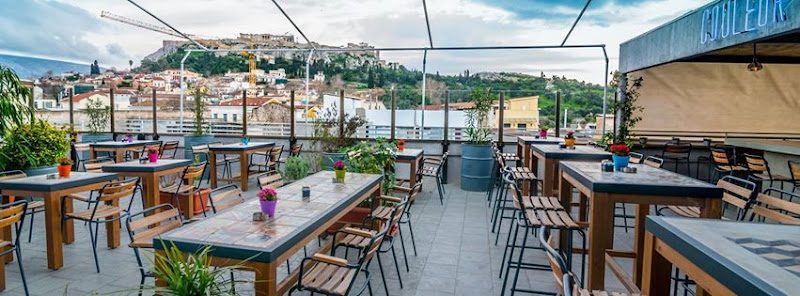
It starts late and ends late. Arrive at a bar before 23:00 and you may find it empty. The main options include Gazi's clubs, Psirri's cocktail bars and Monastiraki's rooftops. In summer, the beach clubs along the Athens Riviera are popular. Entry fees range from 5–15 EUR, and cocktails from 8–15 EUR.
How can you explore Athens with children?
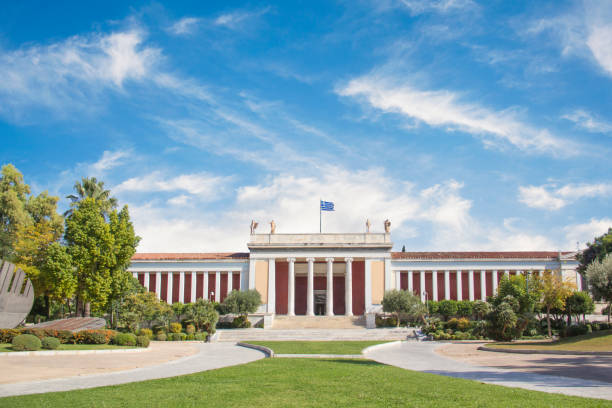
A moderately demanding destination. Archaeological sites can be hot and tiring; the National Garden (free and shaded), Attica Zoo, the coastal tram and island day trips, however, offer suitable activities for children. Children under 6 enter most museums free. Plaka's narrow streets are difficult with a pushchair, while Syntagma and Kolonaki are easier.
Where can you eat the best souvlaki?
Kostas (near Syntagma, 2 EUR pita), Thanasis (Monastiraki) and Bairaktaris (Monastiraki Square) are considered classics. The average standard of souvlaki across the city is also generally high.
Where can you go on a day trip from Athens?
- Aegina island: 40-minute ferry from Piraeus, ancient temple, pistachio growing, coast
- Hydra island: 1.5-hour ferry from Piraeus, motor vehicles banned, transport by donkey, swimming
- Delphi: 2,5 hours by bus, the Temple of Apollo and the ancient oracle center
- Cape Sounion (Temple of Poseidon): 1.5 hours by bus, popular for sunset
- Nafplio: 2 hours by bus, a Venetian fortress and a seaside town