About
Barcelona is the capital of Catalonia and Spain's second-largest city. It has 1.6 million residents in the city center and more than 5 million in the metropolitan area. Tucked into a compact area between the Mediterranean coast and the Collserola hills, it puts the sea five minutes away and the mountains half an hour away.
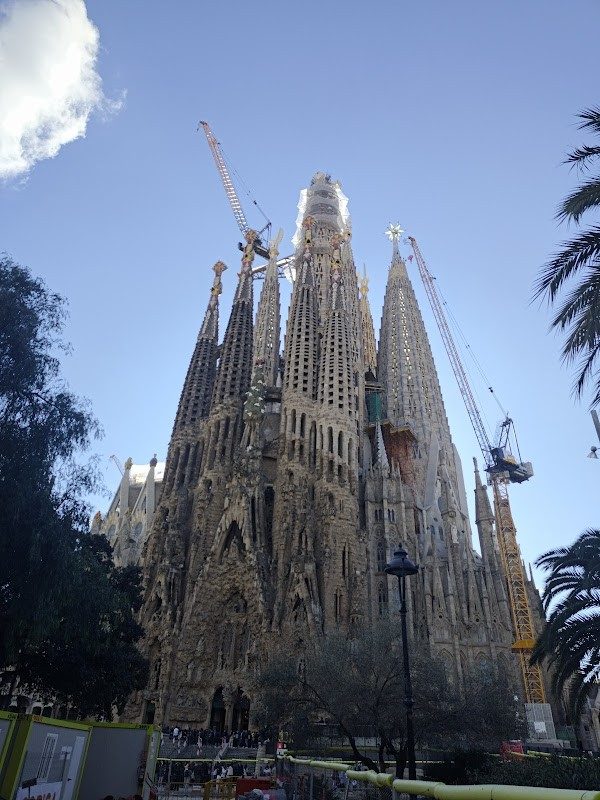
Gaudí and Catalan modernism shaped the city's skyline: Sagrada Família, Park Güell, Casa Batlló and La Pedrera rose one after another within the same decades. But Barcelona offers much more than architecture — Picasso spent his youth here, it is FC Barcelona's home, a major center of Mediterranean cuisine, and its nightclubs run one of Europe's busiest programs.
Life starts late here. Lunch is served at 14:00, dinner at 21:00-22:00, and clubs do not fill before 02:00. Adjusting to this rhythm on the first day takes some effort, but it shapes the rest of the trip.
When to visit
The most balanced times to visit Barcelona are May-June and September-October. Temperatures range from 20-26°C, the sea is warm, and crowds have not yet peaked.
- May-June: Primavera Sound and Sónar take place during this period; flight and hotel prices jump noticeably during festival weeks.
- September-October: The summer tourist rush subsides, the weather stays warm, and the beach remains usable.
- July-August: Temperatures exceed 30°C, with cruise-ship crowds adding to the humidity. Finding breathing room around La Rambla and Sagrada Família becomes difficult; hotels cost 40-60% more.
- November-March: Winters are mild (8-15°C). Rainy spells are brief, with museums and food taking center stage. In December, the city quiets down following La Mercè.
Getting there
By air: Barcelona-El Prat Airport (BCN) is approximately 15 km from the city center. Turkish Airlines, Pegasus and Vueling operate direct flights from Istanbul; flight time is around 4 hours. Prices can reach 450 EUR in summer, while tickets around 200-280 EUR can be found between November-February.
By train: AVE high-speed trains from Madrid arrive in 2 hours 30 minutes; booked early, tickets cost 30-60 EUR. From France, TGV inOui operates the Paris-Barcelona route (6.5 hours).
Airport–City center:
| Option | Duration | Cost |
|---|---|---|
| Aerobus | 35 min | ~7 EUR |
| Metro L9 South | 32 min | ~5.5 EUR (including airport supplement) |
| Renfe R2 Nord train | 25 min | ~5 EUR |
| Taxi | 25–35 min | 35–45 EUR (fixed airport tariff) |
Urban Transportation
Barcelona's metro (TMB) covers almost the entire city with 12 lines. The old T10 card has been discontinued; it was replaced by the individual T-Casual (10 journeys, ~12.5 EUR) and the group T-Familiar (8 journeys within 8 days, ~11 EUR). A single ticket costs 2.65 EUR — T-Casual works out cheaper in almost every case.
Hola Barcelona Travel Card is an unlimited-use card for tourists (available for 48/72/96/120 hours); it pays for itself if you stay more than 3 days and make more than 3 journeys a day.
Bicing is the city's bike-sharing system, but it is only open to locally registered users. For tourists, Donkey Republic, Cooltra (scooters) and conventional bike rental shops are more practical options.
Taxis are yellow and black and use meters. Uber and Cabify operate, but are not significantly cheaper than taxis. Most streets in the Gothic Quarter and El Born are pedestrianized — walking is the preferred way to get around these two neighborhoods.
Accommodation Regions
- Eixample: The city center, with broad boulevards laid out in a grid in the late 19th century. Passeig de Gràcia, Casa Batlló and La Pedrera are here. A practical choice for a first visit — everything is within walking distance and metro services are frequent.
- Barri Gòtic (Gothic Quarter): Narrow stone streets built over Roman ruins. The historic atmosphere is strongest here, with equally high levels of nighttime noise and pickpocketing.
- El Born: Next to the Gothic Quarter, with a younger feel. Independent boutiques, tapas bars and the Picasso Museum cluster here.
- Gràcia: A neighborhood of squares and plentiful cafés where locals go about their daily lives. Away from tourist pressure and within walking distance of Park Güell.
- Barceloneta: A former fishing neighborhood right by the beach. Lively in summer, with streets emptying in winter.
Budget Plan (3 days, per person, EUR)
| Category | Backpacker | Medium | Luxury |
|---|---|---|---|
| Accommodation (2 nights) | 90–140 (hostel) | 260–400 (3–4★) | 700+ (5★) |
| Food | 60–80 | 120–180 | 350+ |
| Transportation (T-Casual + airport) | 25 | 25 | 80 (taxi) |
| Museum + Gaudí tickets | 50 (free domains) | 110 (Sagrada + Park Güell + Casa Batlló) | 180 (guided + early entry) |
| Entertainment / night | 30 | 70 | 200+ |
| Total (3 days) | 255–325 | 585–785 | 1,510+ |
Accommodation costs double during festival weeks (Primavera Sound, Sónar, La Mercè); adjusting your travel dates around this calendar directly affects the price difference.
Practical Tips
- Online booking is mandatory for Sagrada Família. Finding tickets at the door becomes almost impossible in summer; choose your date and time at least 1-2 weeks in advance. The same rule applies to Park Güell, Casa Batlló and La Pedrera.
- Pickpocketing is common on La Rambla. Do not walk with your phone swinging in your hand, put your wallet in a back pocket or hang a bag from the table. Be careful at the L3 Liceu and L1 Catalunya metro stations.
- Siesta hours: Many small shops close between 14:00-17:00. Most restaurants shut their kitchens between 16:00-20:00; cafés and tapas bars remain open during these hours.
- Tap water is drinkable; it has a slightly chlorinated taste, so choose bottled water if you are not used to it.
- Sensitivity around the Catalan flag: It is safer to avoid arguments with locals about political issues such as independence and language.
- Visa process after December 2024: Turkish passport holders submit Schengen applications through BLS International; appointment demand means the process should begin 6-8 weeks in advance.
Travel Guide with Children
Barcelona is one of the best cities in Europe for families with children. Beach, park, interactive museums and Spanish warmth all together. Catalans are tolerant of children; It is considered normal for children to cry in restaurants, and waiters generally love to take care of children.
Recommendations by Age Group
0-3 years: The shallow waters of Barceloneta beach are ideal for babies. The playground in Ciutadella Park is large and shaded. Sagrada Familia can be visited with a stroller (there is an elevator). The narrow streets in Plaka can be tight for strollers.
4-7 years: Park Güell's colorful mosaics fascinate children — like Gaudí's fairy tale world. Aquarium (Port Vell) is the favorite of this age group with its glass tunnel and touch pool. The Chocolate Museum is also fun.
8-12 years old: Camp Nou stadium tour is a football player's dream. The Sagrada Familia tower ascent (with adult accompaniment) is exciting. An introduction to food culture with juice and tapas tasting at La Boqueria market.
Ages 13+: Narrow streets and street art of the Gothic Quarter, vintage shops of El Born, surfing lessons in Barceloneta. Even walking on Las Ramblas at night is enjoyable for young people.
Top 5 Kid-Friendly Activities
Barceloneta Beach — Right next to the city, safe for children with shallow waters. You can spend half a day building a sand castle and eating ice cream. Shower and toilet available.
Park Güell — Gaudí's colorful mosaic garden is like a giant playground for children. They can run around in the free zone, and you can take photos in the paid zone.
L'Aquàrium de Barcelona — The aquarium in Port Vell. There is an 80-meter glass tunnel, 11,000 sea creatures and a touch pool for children.
Ciutadella Park — Boat rides, giant mammoth statue, zoo (separate ticket), and large playground. An oasis where you can have a picnic and spend half a day.
CosmoCaixa Science Museum — Interactive science center. There is an Amazon rainforest replica, a geology section and a planetarium. Children learn science with fun here.
Practical Information
Baby stroller: Barcelona is generally flat, but the cobblestones of the Gothic Quarter and the slopes of Park Güell are challenging. Most metro stations have elevators; buses are accessible.
Children's menu: Children's menus are common in Spanish restaurants. Patatas bravas, croquetas and tortillas are classics that children love. You can also ask for media ración (half portion).
Children's ticket discounts: Metro is free for children under 4 years old. In most museums, 0-3 is free, 4-12 is discounted. Family ticket options are common.
Toilet: Free at beaches, museums and shopping malls. Restaurants are open to customers. Hard to find in the Gothic Quarter, aim for the nearest mall or museum.
Warnings
- Do not leave your child out of sight at the beach, the waves can sometimes be unexpectedly strong.
- Pickpockets are very active on Las Ramblas and the metro — be careful of the kids and protect your bag.
- During the summer months (July-August) the heat can exceed 35°C, seek shade or air conditioning between 13:00-17:00.
- Some shops and restaurants are closed during siesta hours (14:00-17:00), plan ahead.
Local Label and Culture Notes
Barcelona is the capital of Catalonia — Catalan is an official language here and stands alongside Spanish at the heart of daily life. Signs, menus and government documents are written in Catalan first. Learning a few words helps bridge the gap with locals:
- "Bon dia" (good morning), "Bona tarda" (good afternoon), "Adéu" (goodbye), "Gràcies" (thank you).
- "Hola" is Spanish in origin but is readily used in everyday conversation in Barcelona.
Greetings involve a kiss on each cheek (right cheek first). You need to call the waiter to request the bill in a restaurant — no one brings it to the table automatically. Tipping is optional; if given, 5-10% is considered a gesture of appreciation.
Paella becomes a tourist trap on the waterfront. Most places listing paella along Barceloneta beach use frozen ingredients. Authentic paella is found at places following Valencian tradition, serving lunch and requiring at least 30-40 minutes of preparation. Barcelona's own food tradition centers on tapas, montaditos, fideuà and esqueixada.
Going out for dinner at 19:00 is considered "tourist time"; venues begin filling after 21:00.
FAQ
How many days to visit Barcelona? 3 days are enough for the Gaudí trio, tapas and the beach. Add the Picasso Museum, MNAC, Tibidabo, Montjuïc and day trips to Sitges/Girona, and you need 5 days.
Can I buy tickets to Sagrada Família in line? In practice, no. Online tickets sell out 1-2 weeks in advance in summer; tickets including a tower visit should be bought 3 weeks ahead.
Is Barcelona safe? Violent crime is low, but pickpocketing is above the European average. Carry your bag in front in La Rambla, on metro L3, around Sagrada Família and in beach crowds.
T-Casual or Hola Barcelona card? For stays of less than 3 days with 2-3 journeys a day, T-Casual is sufficient. For stays longer than 4 days and all-day metro use, Hola Barcelona offers better value.
Is it possible to travel from Türkiye without a visa? Not with an ordinary (burgundy) passport — a Schengen visa is required. Holders of green (special), gray (service) and black (diplomatic) passports can enter visa-free for up to 90 days in any 180-day period.
Which airport should be preferred — BCN or GRO? BCN stands out for its proximity to the city center (15 km versus 90 km). Girona (GRO) is chosen only for special low-cost promotions.