About
Before your suitcase leaves the carousel, you notice the air: incense, frangipani, wet earth and distant barbecue smoke mingle. Canang sari, small palm-leaf offerings topped with flowers and rice, placed on doorsteps every morning, reveal the island's daily rhythm from the airport onward.
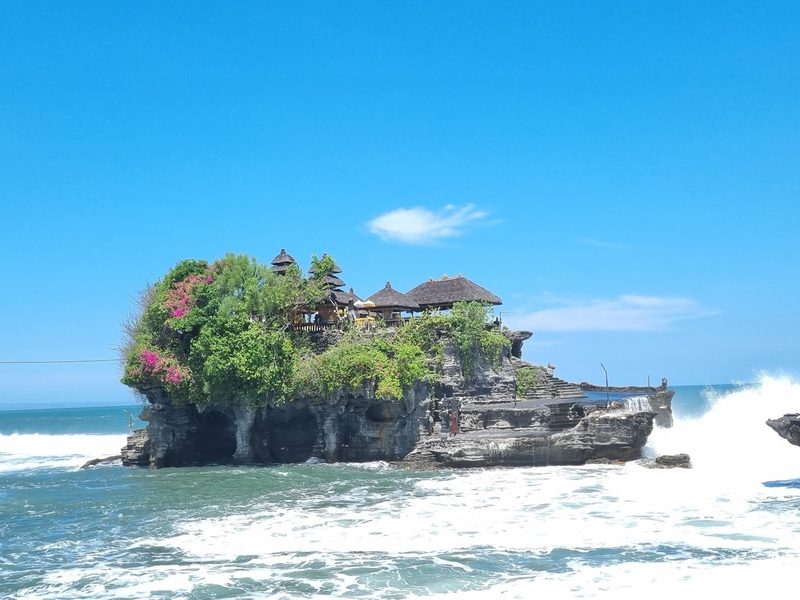
One of Indonesia's more than 17,000 islands, Bali is roughly comparable in area to Antalya province but geographically packed: active volcanoes such as Agung and Batur, Tegallalang's stepped rice fields, coral reefs on northern and eastern shores, thousands of village temples and southern surf beaches share one island, often just a scooter ride apart.
Most residents are Hindu: although Indonesia has the world's largest Muslim population, Bali is an exception. The island maintains its own Hindu-Balinese cosmology: every household has a family temple (pura), each banjar (neighbourhood association) holds ceremonies, and the calendar is full of odalan temple anniversaries and festivals such as Galungan.
Geographically, the island divides into four areas: beaches and nightlife in the south (Kuta, Seminyak, Canggu, Uluwatu), culture and agriculture in the centre (around Ubud), waterfalls and quieter coast in the north (Munduk, Lovina), and traditional villages on volcanic slopes in the east. Drives between regions take two or three hours, but southern traffic can easily double that.
Over the past decade, Canggu has become known for coworking spaces and smoothie-bowl cafés as its digital-nomad population grew, pushing prices up somewhat. Even so, a full warung meal costs the equivalent of 1-2 dollars; the same sunset can also be watched with a 20-dollar beach-club cocktail.
Plenty of travellers arrive thinking ‘one week is enough’, then extend their visas, rent scooters and take villas; bear that in mind when planning.
When to visit
Near the equator, Bali's temperatures vary little through the year. Humidity and rain make the difference, with two seasons offering distinctly different experiences.
April - October (Dry Season): Humidity drops, rain becomes rare and west-coast waves become consistent for surfing. July-August is busiest with Australian holidaymakers, and hotel prices peak. April-May and September-October offer the same climate with smaller crowds.
November - March (Rainy Season): Tropical downpours last one to three hours a day, with mostly clear weather otherwise. Rice terraces are at their greenest and hotel prices fall 30-50%. Waves grow on western beaches (Kuta, Canggu). January-February are the wettest months.
Nyepi alert: On Nyepi, Bali's Hindu New Year (the date varies with the Saka calendar, usually March), the entire island shuts down for 24 hours, including the airport. Leaving hotels is prohibited, and electricity and internet are cut. Unaware visitors can have their plans completely disrupted; those who come knowingly experience a silence unlike any other time on the island.
For first-time visitors, May or September offers the best balance of weather, prices and crowds. Budget-focused travellers can consider November or March, excluding Nyepi. Choose the dry season for surfing.
Getting there
Turkish Airlines offers nonstop flights between Istanbul (IST) and Denpasar (DPS). Its route page gives an approximate flight time of 12 hours 45 minutes; check the departure time and operating status for your travel date when booking. For connecting options, compare layovers, baggage transfers and total journey time as well as time in the air.
Airfares vary with dates, baggage, connections and change conditions. Compare different days using the same passenger and baggage requirements; for connections on separate tickets, also check your responsibility for delays and checking baggage in again. Do not treat a fixed average price as a current offer.
Official Istanbul–Bali route information · Checked: 2 November 2026.
Ngurah Rai International Airport (DPS) is in the south: 15 minutes from Kuta, 30 from Seminyak and 1-1.5 hours from Ubud. Airport transport options:
- Airport taxi: Fixed price by region from the official taxi booth. Kuta 150,000 IDR, Seminyak 250,000 IDR, Ubud 350,000-450,000 IDR.
- Grab: A designated Grab pickup area is outside the airport. Prices are shown in advance, usually 10-20% below taxis.
- Hotel transfer: Most hotels provide free or reasonably priced airport transfers; ask when booking.
Evening traffic in the south (Kuta-Seminyak-Canggu) gets very heavy; a mapped 30-minute journey can take 1.5 hours. For Ubud, late-night arrivals help avoid traffic.
Urban Transportation
Bali has almost no public transport network; getting around largely depends on private vehicle hire.
Scooter hire: The island's most common transport costs 70,000-100,000 IDR (~4.5-6.5 USD) daily. Traffic is heavy on narrow roads; an international licence with motorcycle category A is technically mandatory, and accident insurance usually excludes scooter crashes. Risk is high for inexperienced riders.
Grab: Offers cars or motorcycles (GrabBike), with upfront fares and GPS tracking. Short car trips cost about 30,000-50,000 IDR; GrabBike 15,000-25,000 IDR. Local taxi groups may block Grab drivers in some areas, including central Ubud.
Car with driver: 500,000-700,000 IDR (~32-45 USD) a day covers fuel and driver for an eight-to-ten-hour route. In groups of two to four, the per-person cost can approach scooter hire. Book through hotels or platforms such as Klook.
Taxis: Blue Bird's metered fleet is considered reliable; check that other taxis turn on their meters. Some local drivers demand high fixed fares, making Grab generally more predictable.
Bicycles: Routes through rice fields around Ubud are popular. Narrow roads and irregular traffic make independent cycling difficult; an organised tour is safer.
Ubud and surrounding temples, terraces and waterfalls can be covered in a day with a driver. Grab or a scooter is enough for short Seminyak-Canggu journeys. For nights out, Grab is recommended over scooters.
Accommodation Regions
Your choice of base largely shapes the Bali experience: six areas offer six different islands.
Ubud (Culture + Nature): Inland villas with rice-field views, yoga studios, galleries and village temples. Nightlife is limited, with forest sounds filling evenings. Per night: hostels 10 EUR, villas 30-150 EUR, luxury resorts 200-500 EUR.
Seminyak (Stylish Beach + Nightlife): Concentrated beach clubs, boutique hotels and nightclubs; a middle ground for beach and nightlife seekers. 25-200 EUR per night.
Canggu (Surfing + Digital Nomads): A growing area of surf schools, smoothie-bowl cafés and coworking spaces. Its character sits between Ubud's calm and Seminyak's bustle. 15-120 EUR per night.
Kuta (Budget + Party): The cheapest area and closest to the airport, with good surf-lesson infrastructure, but growing crowds and commercialisation in recent years. 8-40 EUR per night.
Uluwatu (Cliffs + Surfing): At the island's southern tip, with clifftop villas and world-renowned surf breaks; less densely populated than other areas. 30-400 EUR per night.
Nusa Dua (Luxury + Family): Large hotel chains, orderly security and infrastructure, and a more controlled atmosphere than the rest of the island. 80-500 EUR per night.
For first-timers, three nights in Seminyak or Canggu and two in Ubud is practical. Base yourself in Ubud for a cultural itinerary, or Uluwatu for a clifftop stay.
Budget Plan
Despite being one of Southeast Asia's most visited destinations, Bali's prices remain below the regional average. Daily budget table (per person, excluding flights):
| Category | Economical | Medium | Luxury |
|---|---|---|---|
| Accommodation / night | 150,000 IDR (hostel) | 600,000 IDR (3-4* hotel) | 3,000,000 IDR+ (villa/resort) |
| Meal/day | 100,000 IDR (warung) | 400,000 IDR | 1,500,000 IDR+ |
| Transportation / day | 50,000 IDR (scooter) | 200,000 IDR (Grab) | 700,000 IDR (car with driver) |
| Activity / day | 100,000 IDR | 500,000 IDR | 2,000,000 IDR+ |
| Daily total | ~400,000 IDR (~25 USD) | ~1,700,000 IDR (~107 USD) | ~7,200,000 IDR+ (~450 USD+) |
1 USD is approximately 15.800 IDR (May 2026 exchange rate), and 1 EUR is approximately 17.200 IDR.
Nasi goreng at a warung costs around 15,000-30,000 IDR (1-2 USD), a shop-bought Bintang beer 25,000 IDR (1.5 USD), a one-hour Balinese massage 100,000-150,000 IDR (6-9.5 USD), and daily scooter hire 70,000 IDR (4.5 USD).
Tourist restaurants and beach clubs fall outside these averages: a Potato Head cocktail can reach 250,000 IDR (16 USD). Eating mainly at local warungs significantly cuts costs.
Practical Tips
- Grab can be downloaded in Turkey and activated with an Indonesian number. Local taxi drivers block Grab access in some places, including central Ubud and temple areas; walking a few hundred metres away before booking can help.
- Cash is a constant need. Warungs, temple entrances, markets and most scooter rentals require cash. ATMs are common but some charge fees; Wise or Revolut cards offer withdrawal advantages.
- Bargaining: At markets, offer half the first price and meet in the middle. Fixed-price places such as malls and minimarkets do not bargain.
- Do not step on canang sari offerings. The small flower-and-incense offerings on pavements are sacred; simply walk around them.
- Water: Do not drink tap water. Bottled water costs 5,000-10,000 IDR everywhere. Those with sensitive stomachs can also use it to brush their teeth.
- Sunscreen: Near-equatorial sun is strong; SPF 50+ is recommended, especially with hands and neck exposed when riding scooters.
- SIM / eSIM: Airport Telkomsel or XL SIMs cost 50,000-100,000 IDR with 7-15-day data packages. Airalo or Holafly eSIMs can be arranged in Turkey beforehand.
- Scooters: The fine for riding without a licence is 500,000 IDR; an international motorcycle licence is required. Always wear a helmet; avoiding night riding is recommended.
- Bali belly: Stomach upsets are common among new arrivals. Recommendations include avoiding raw vegetables and iced drinks for the first few days and carrying Imodium and charcoal tablets.
- Temple clothing: Sarongs and sashes are compulsory at every temple. Most provide or lend them at the entrance; carrying your own saves time.
- Departure tax: Airport departure tax is now included in the ticket price; separate payment is generally unnecessary.
- Wi-Fi: Usually free and sufficiently fast in cafés and hotels; signals can weaken in remote areas such as northern Bali and Nusa Penida.
Travel Guide with Children
Children are central to everyday Indonesian life; families are generally welcomed easily, from restaurants to temple surroundings. Nature activities and animal encounters form the core of children's itineraries.
Recommendations by Age Group
Ages 0-3: Nusa Dua or Sanur is considered suitable for gentler currents and large resorts' baby facilities. A car with driver is recommended over scooters; uneven pavements make a baby carrier more practical than a pushchair.
Ages 4-7: Monkey encounters at Monkey Forest, short rice-terrace walks and sand play suit this age. Waterbom Bali in Kuta is an option for a full day.
Ages 8-12: Surf lessons in Kuta's gentle waves, snorkelling at Nusa Penida or Amed, cycling around Ubud and Bali Safari & Marine Park appeal to this age.
Ages 13+: Nusa Penida boat trips, Uluwatu cliff walks, Canggu surf culture and Ubud silver-jewellery workshops offer teenagers opportunities for independent activities.
Top 5 Kid-Friendly Activities
Waterbom Bali — Kuta water park with slides, a lazy river and children's pools. Air-conditioned cabins also offer parents somewhere to rest.
Bali Safari & Marine Park — Gianyar safari park with elephants, rhinos, zebras and orangutans. Elephant rides and night safaris are offered as separate activities.
Sacred Monkey Forest — Ubud's monkey forest interests children, but explain beforehand that monkeys may become aggressive at the sight of food.
Surf lesson (Kuta Beach) — Suitable for children over 7; two-hour lessons include a board, and instructors are used to teaching children.
Rice-terrace cycling tour — Organised tours around Ubud generally follow downhill routes through villages, with chances to watch farmers and stop for fresh coconut water.
Practical Information
Pushchairs: Pavements are uneven or absent in many places; front or backpack baby carriers are more useful in these conditions.
Children's menus: Most restaurants lack a formal children's menu, but rice, fried chicken and fruit are available everywhere. ‘Tidak pedas’ (‘not spicy’) is useful when ordering.
Sun and heat: Children dehydrate quickly and need regular water. Staying in shade or spending time in the pool from 10:00-15:00 is recommended; SPF 50+ children's sunscreen is necessary.
Health: Bali belly can be more severe in children; recommendations include avoiding raw food, tap water and questionable ice, and taking out travel insurance.
Pool safety: Most Bali villas have private pools without fences; small children need constant supervision.
Warnings
- Carrying children on scooters is common in Bali but risky; taxis or cars with drivers are recommended.
- Some beaches have strong currents; do not enter the sea when a red flag flies. Sanur and Nusa Dua have calmer seas better suited to children.
- Monkeys may attack children too; do not display food and avoid sudden movements.
- Medicines and children's supplies (formula, nappies) are available in large shops such as Pepito or Bintang Supermarket, but brand choice is limited; bring essential items with you.
Local Label and Culture Notes
Daily life in Hindu-majority Bali is interwoven with worship. Knowing a few basic rules shows respect and avoids unnecessary tensions.
Do not touch canang sari offerings. Small palm-leaf offerings with flowers and incense appear on pavements, shopfronts and even ATMs. They are sacred: do not step on, kick or move them for photographs.
Temple rules are strictly enforced. Sarong and sash are required, with knees and shoulders covered. Menstruating women are prohibited from entering, as entrance signs state. Sitting on temple walls, climbing statues and using selfie sticks are frowned upon.
The left hand takes a secondary role. Use the right hand to pay, eat or point; the left is associated with toilet hygiene, so even handshakes use the right.
Do not touch people's heads. As in Thailand, the head is considered sacred in Bali; this also applies to children.
Ask before photographing ceremonies. Seeking permission through eye contact before taking ritual photographs is customary; do not use flash at funerals.
Dress expectations extend beyond beaches. Do not enter villages or temples in very revealing clothes; locals find visiting temples with only a pareo over a bikini disrespectful.
Tipping is optional but common. Typical amounts are 5-10% at restaurants, 50,000-100,000 IDR for massage therapists, 100,000-200,000 IDR for guides and 20,000-50,000 IDR for hotel porters.
Bargain politely. Aggressive bargaining is rude. Start with ‘Berapa?’ (‘How much?’); if no agreement is reached, say ‘terima kasih’ (‘thank you’) and walk away, which often makes vendors reconsider.
Religious festivals can affect plans. Nyepi completely bans going outside; shops may close for Galungan, and funerals can temporarily close village roads. Keep your itinerary flexible.
FAQ
How many days do you need to explore Bali?
Allow at least 5 days; 7-10 gives a better-balanced itinerary. Three days only allow a superficial visit to one area, Ubud or the southern beaches. A 7-day plan can combine Ubud culture, southern beaches, a Nusa Penida day trip and northern Bali waterfalls.
Is Bali safe?
Generally considered safe, with violent crime against tourists rare. Main risks are scooter accidents, pickpocketing in crowds, counterfeit alcohol causing methanol poisoning in cheap bars, and strong currents on some beaches.
Is there a language barrier?
English is sufficient in tourist areas; almost everyone in Ubud, Seminyak and Canggu speaks it. Rural villages may present a language barrier, where Google Translate helps. A few Indonesian words make daily communication easier: terima kasih (thank you), selamat pagi (good morning), berapa (how much).
Do you need a visa for Indonesia?
Turkish ordinary burgundy passport holders can enter Bali with a Visa on Arrival. It costs 500,000 IDR (~32 USD) at the airport, lasts 30 days and can be extended by another 30. A passport valid for at least 6 months and a return ticket are required.
Are there rules about alcohol?
As Bali is majority Hindu, alcohol is freely sold, with beer and cocktails in shops, restaurants and bars. Methanol risks have been reported in local ‘arak’, so drink it only at reliable venues; branded beers such as Bintang and Bali Hai are considered safe.
Should I ride a scooter?
Practical for experienced motorcyclists who ride carefully. Risks are high for beginners: heavy traffic, narrow roads and dogs or chickens wandering out. Bali is not recommended for trying a scooter for the first time; Grab and cars with drivers offer safer alternatives.
Is Bali expensive?
No. A full warung meal costs 15,000-30,000 IDR (1-2 USD), Bintang beer 25,000 IDR, and a one-hour massage around 100,000 IDR. Tourist-trap restaurants and beach clubs can approach European prices; choosing local places stretches the budget considerably.
What should you wear?
Light, breathable clothing (cotton shorts, T-shirts, sandals) is sufficient generally. Temples require trousers or skirts covering knees and tops covering shoulders; keep a sarong in your bag. A raincoat helps with sudden downpours.
Which area is best?
First-timers are advised to combine Seminyak or Canggu (beach and entertainment) with Ubud (culture). Choose Uluwatu's cliff villas for romance, Nusa Dua or Sanur for families, Kuta or Canggu for a budget trip, and Canggu or Uluwatu for surfing.